The biggest coach we list, and when one is not enough
If you are on this page, you probably are not moving fifty people. You are moving a hundred and twenty, and you have worked out that the biggest coach means the fewest vehicles to keep track of. That instinct is right.
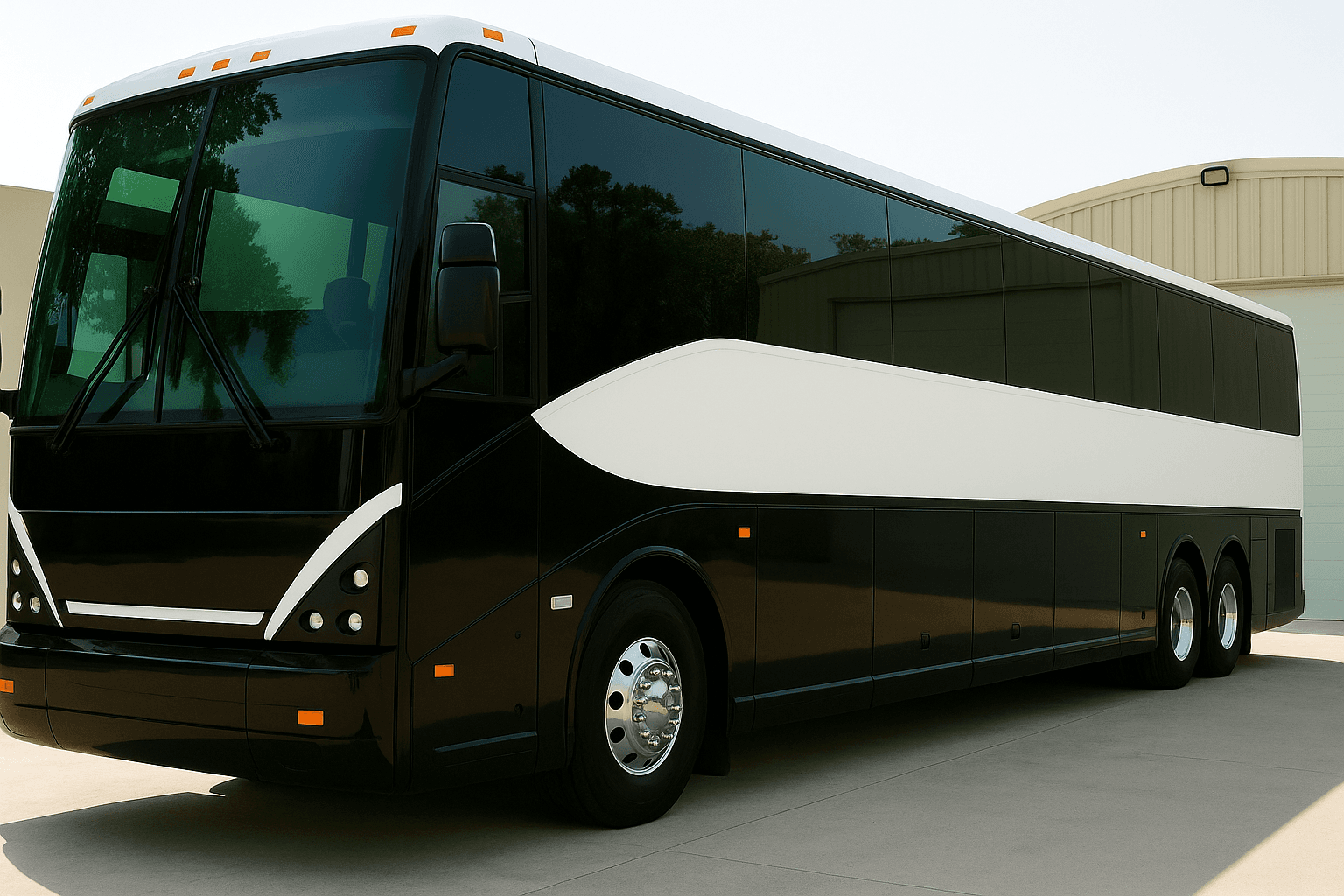
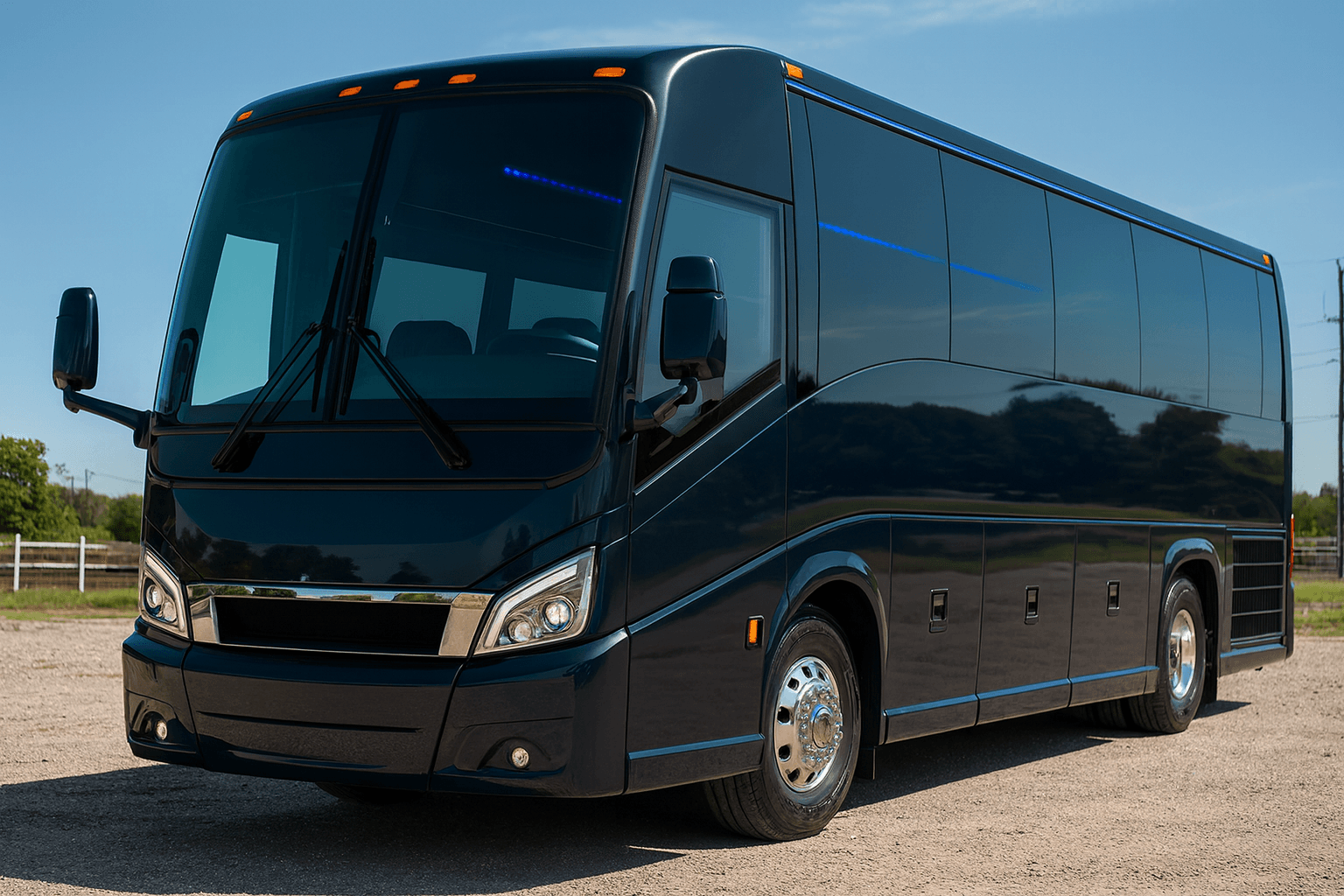
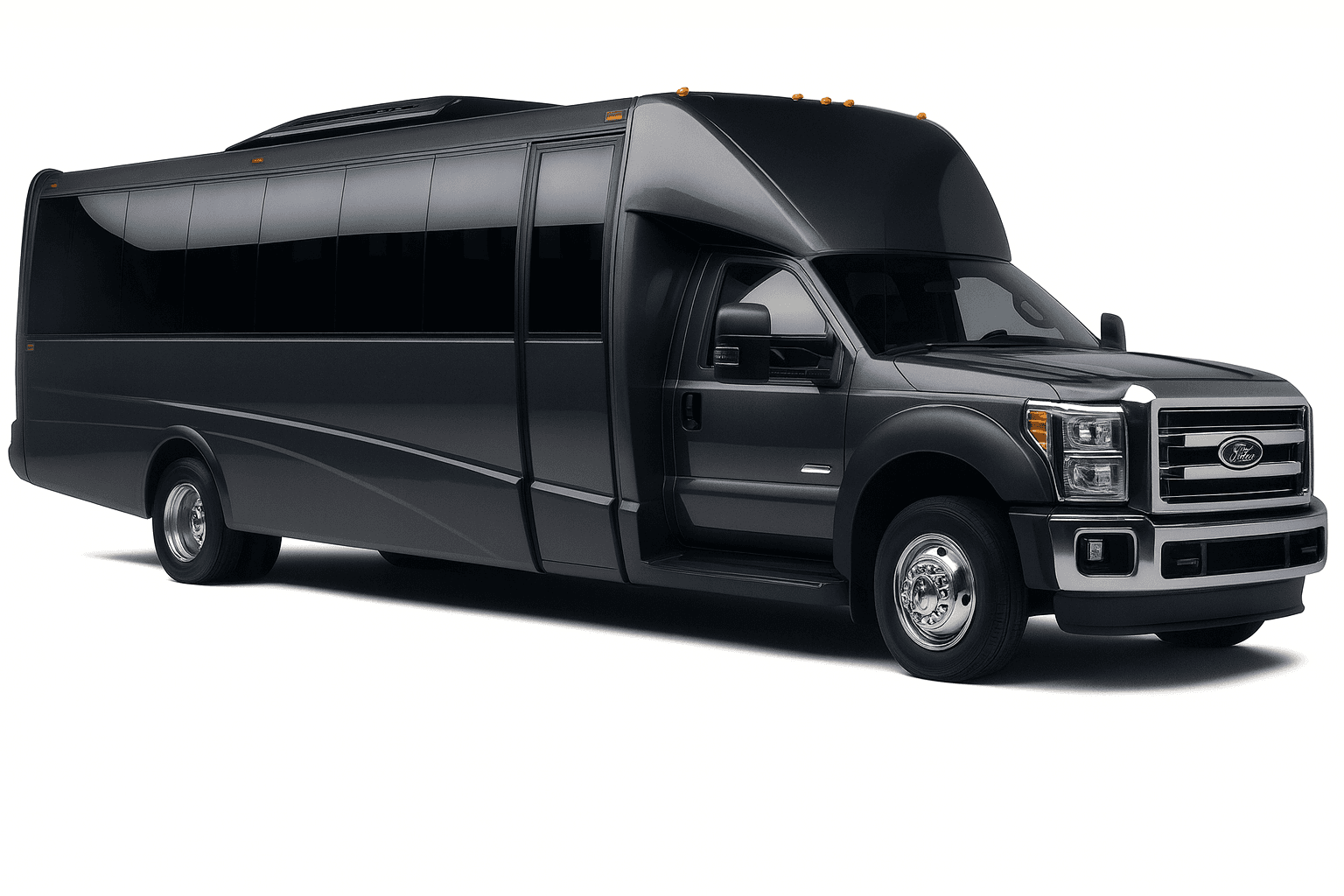
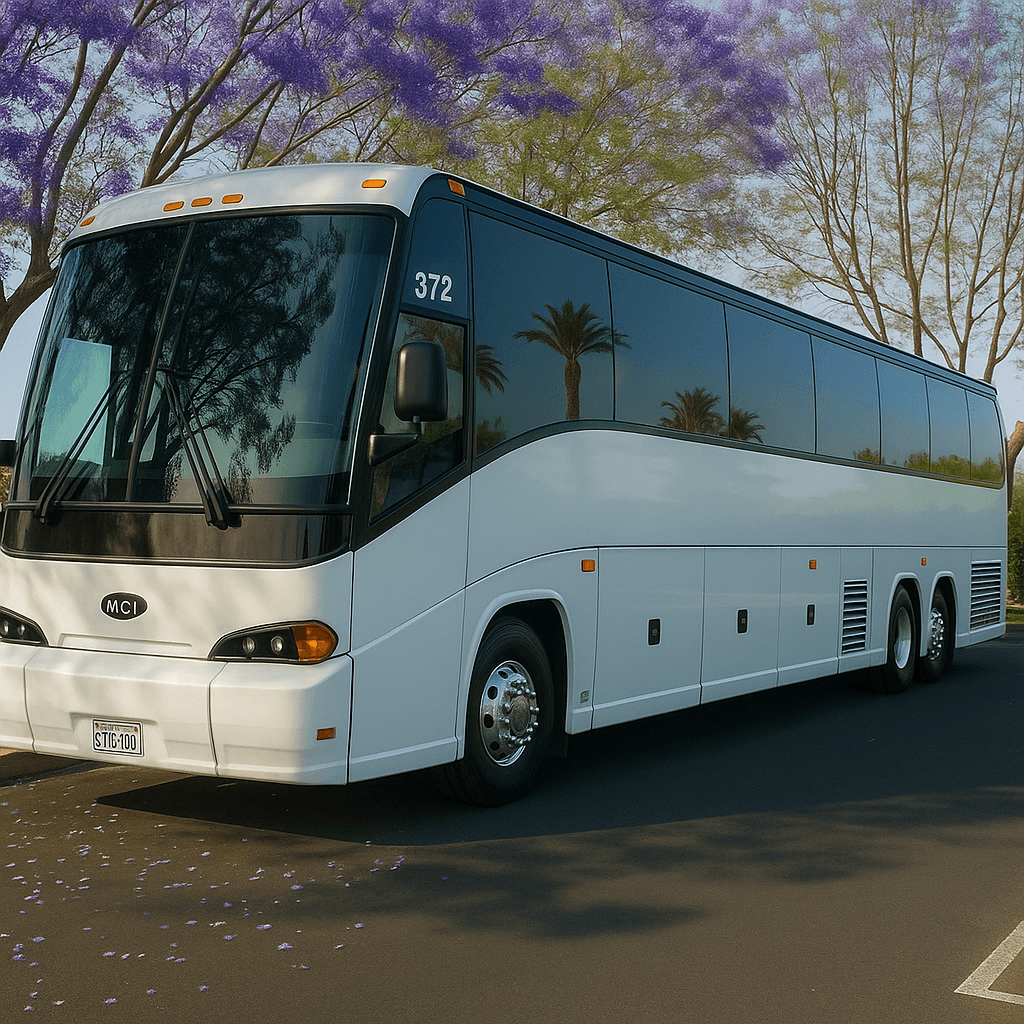
The 52 is the largest bus on our coach list: a full-size highway motorcoach with paired reclining seats, overhead storage, deep luggage bays and climate control, plus a restroom and Wi-Fi on select units. For one group of 45 to 50 it is simply the roomiest thing we have, a few seats up on the 50-passenger coach.
The jobs it usually does are bigger than that. An all-hands at a ranch west of town. A congregation heading to a conference in Grapevine. A season-ticket club rolling to a game. A band, its instruments and two hundred parents going to a competition. At that scale the coach is a unit of measurement, not a choice.
These days are uncommon. Across the wider group-transportation network we work with, only about 7% of requests involve 31 to 100 people, and groups past a hundred sit beyond even that. If you are running one, you are doing something most planners never do once. The rest of this page is what we walk those callers through.
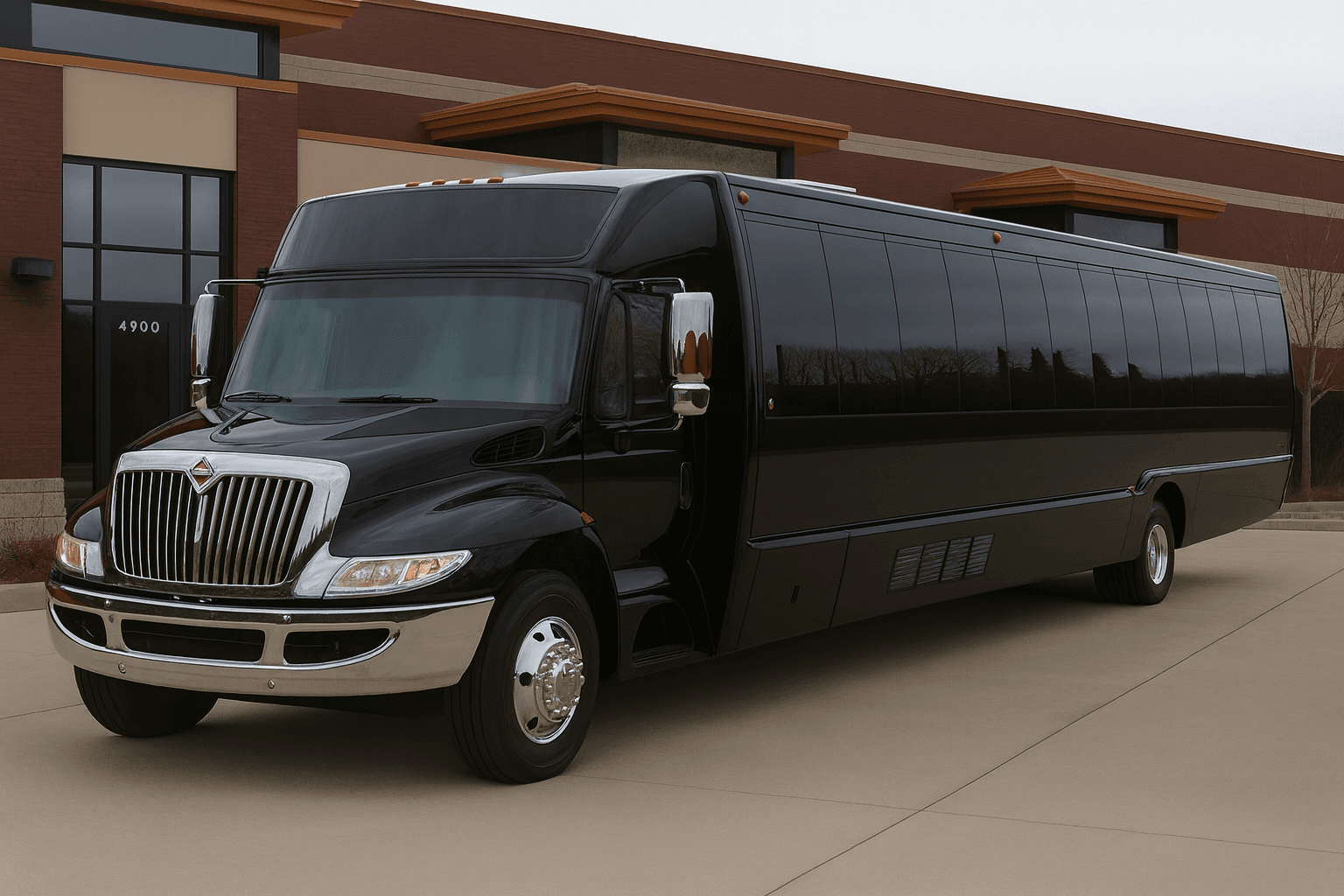
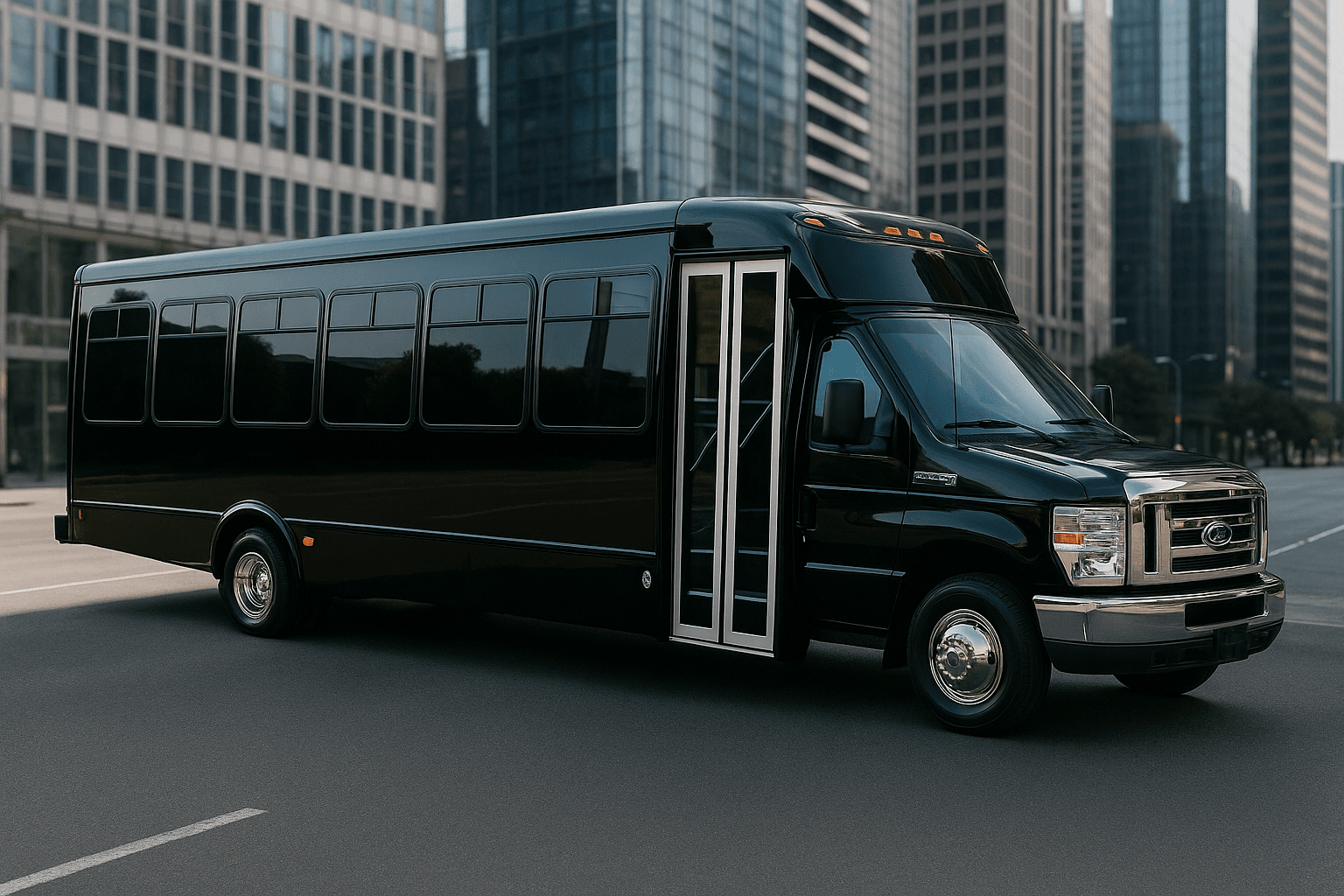
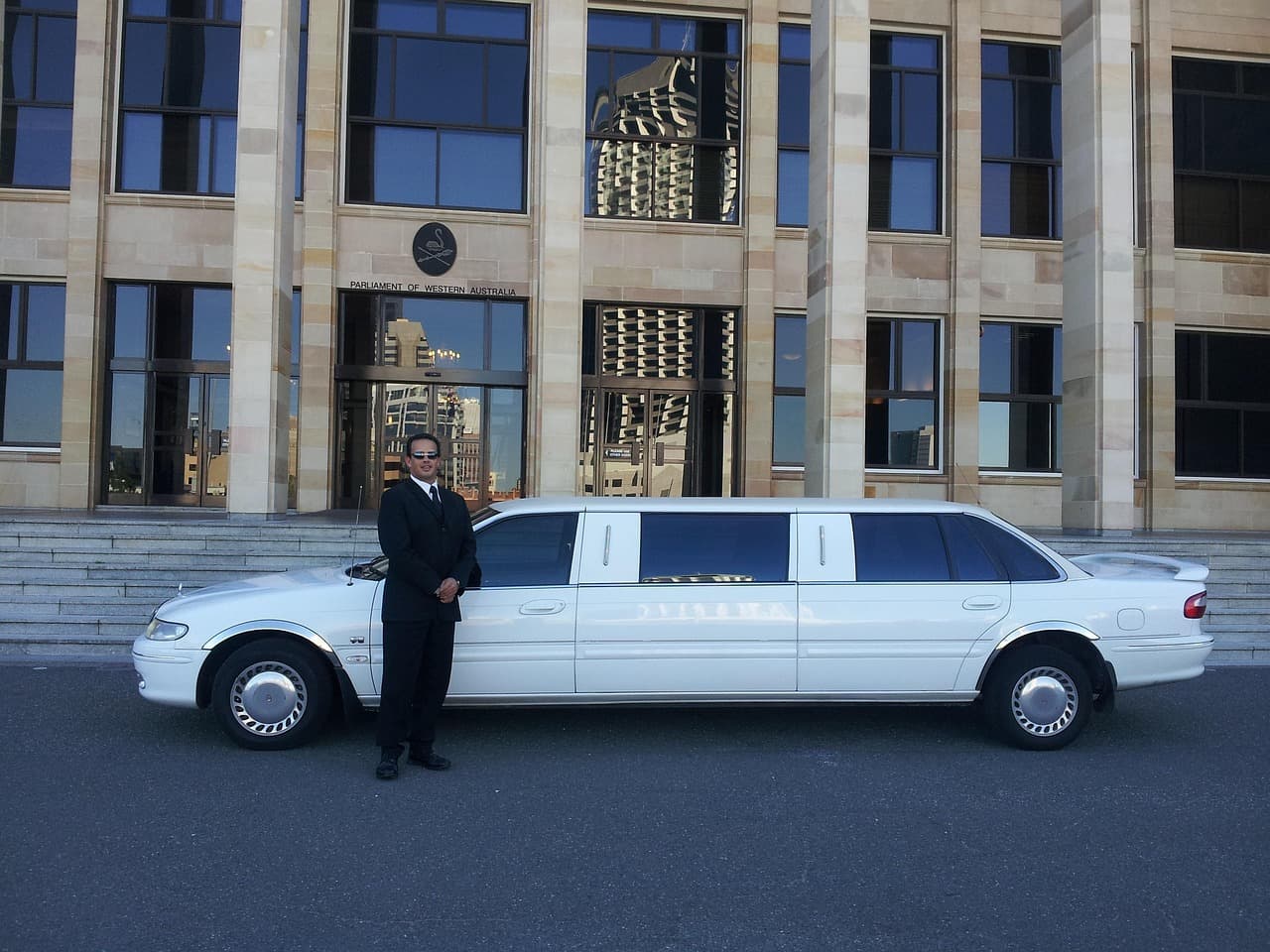
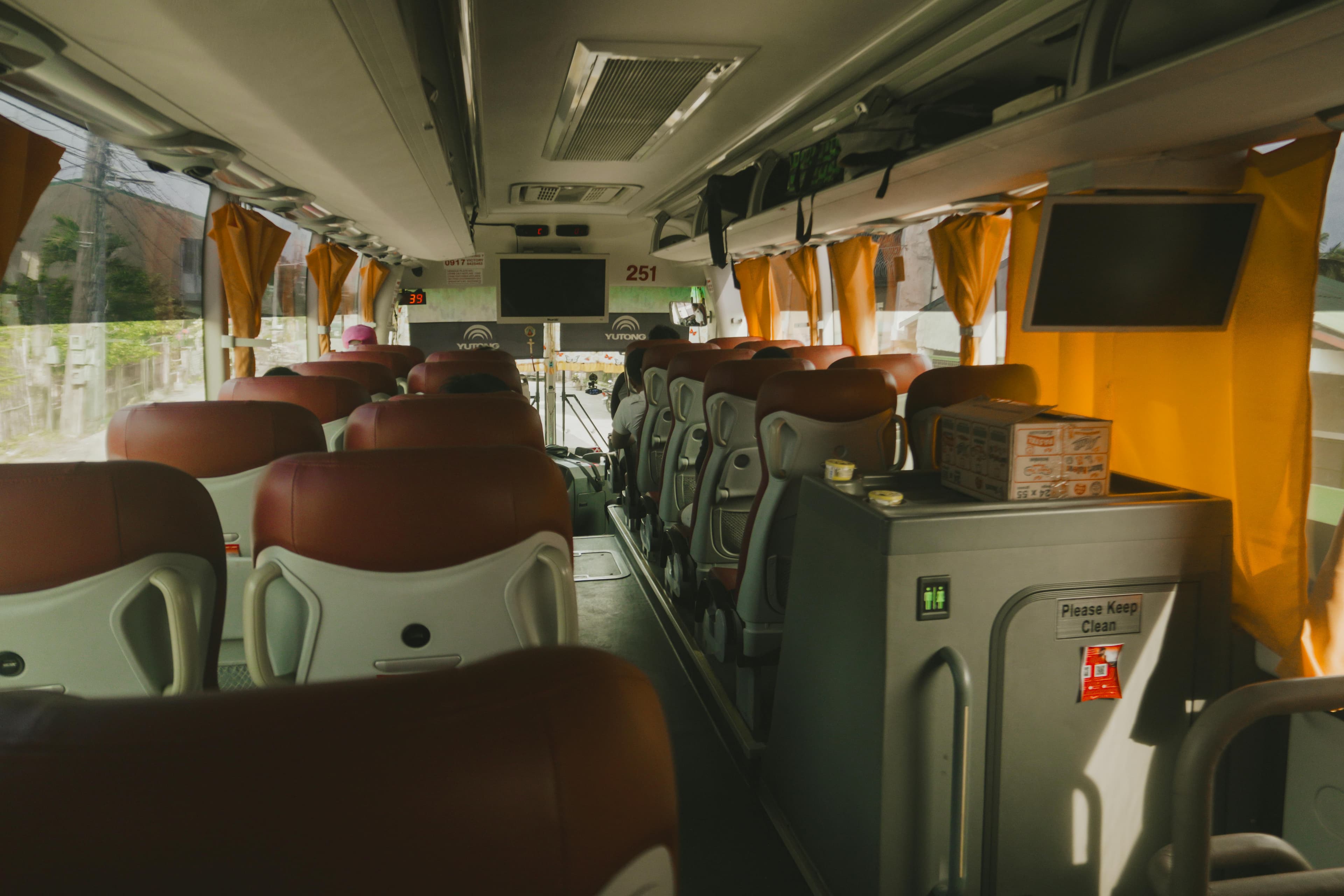
Coach interiors differ between units. Ask and we will send current photos of the vehicles assigned to your date.
31-100 passengers
Network-wide inquiries · 3,928 of 59,044 records(DPR-228)
31-100 passengers
Texas inquiries · 273 of 4,423 records(DPR-124)
Shares of past inquiries, not bookings, prices or availability. How we count these.
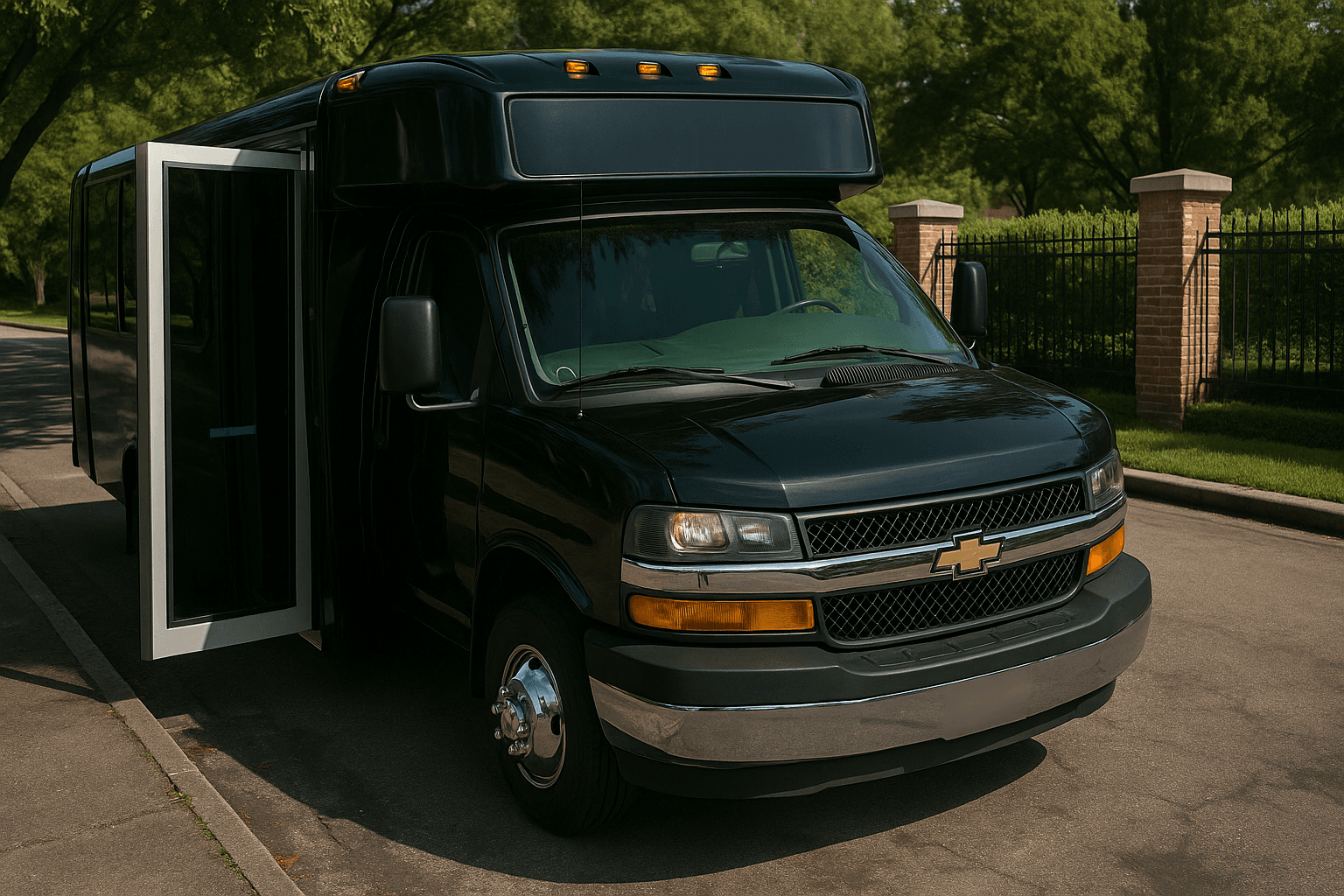
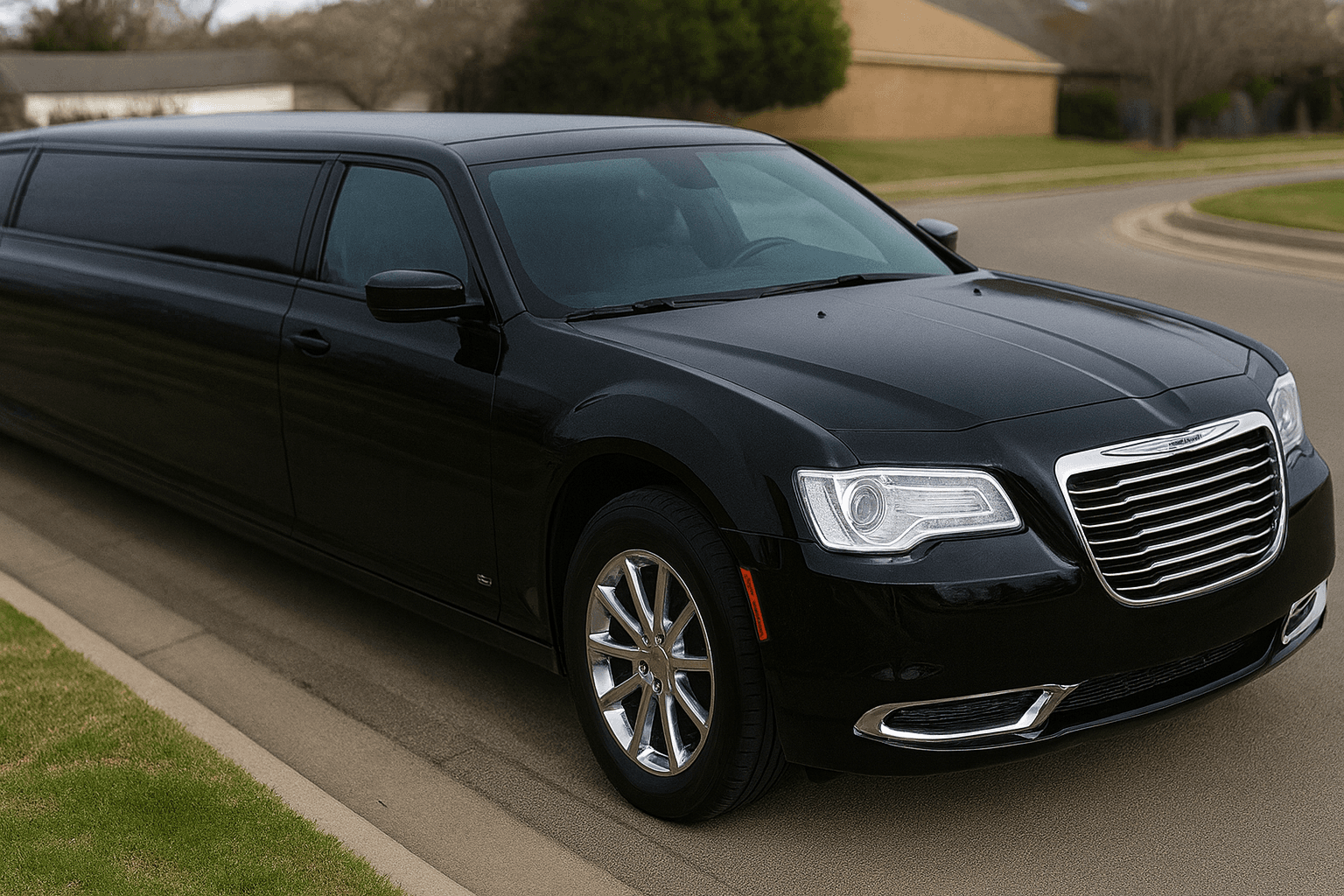
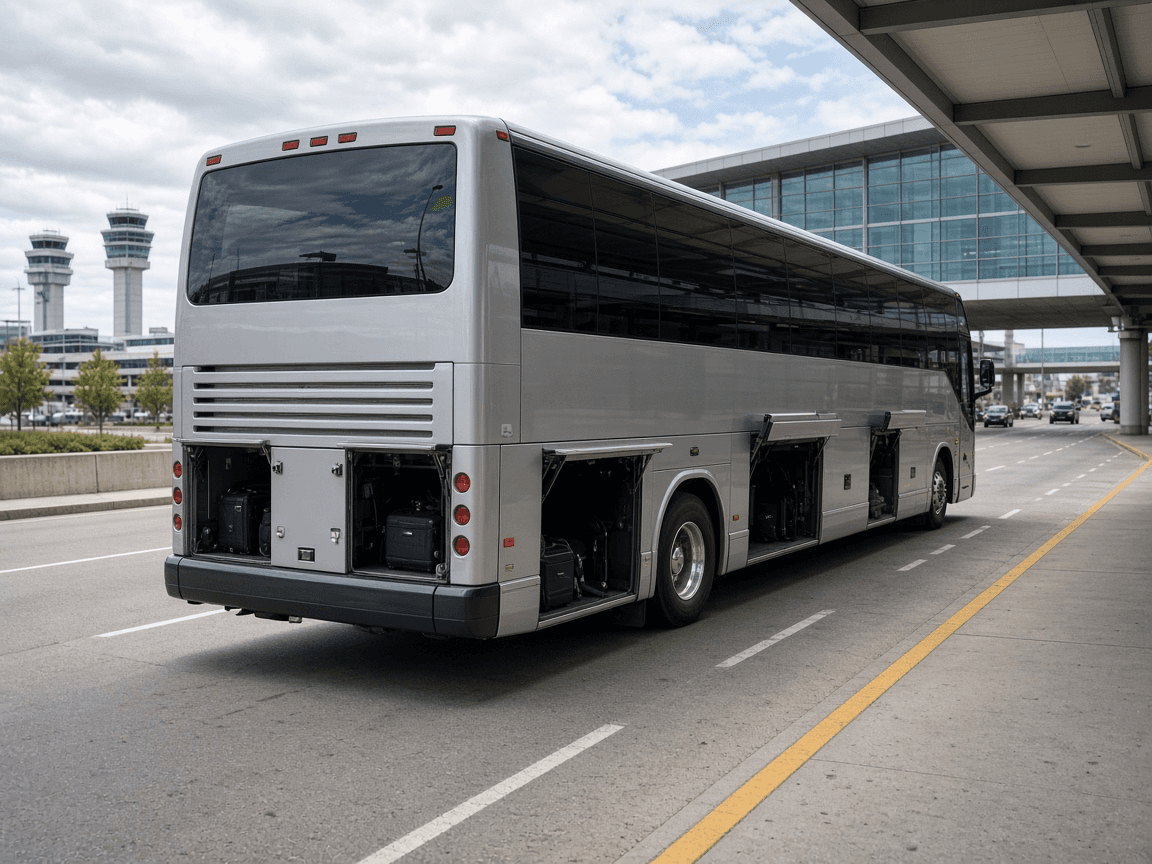 Exterior
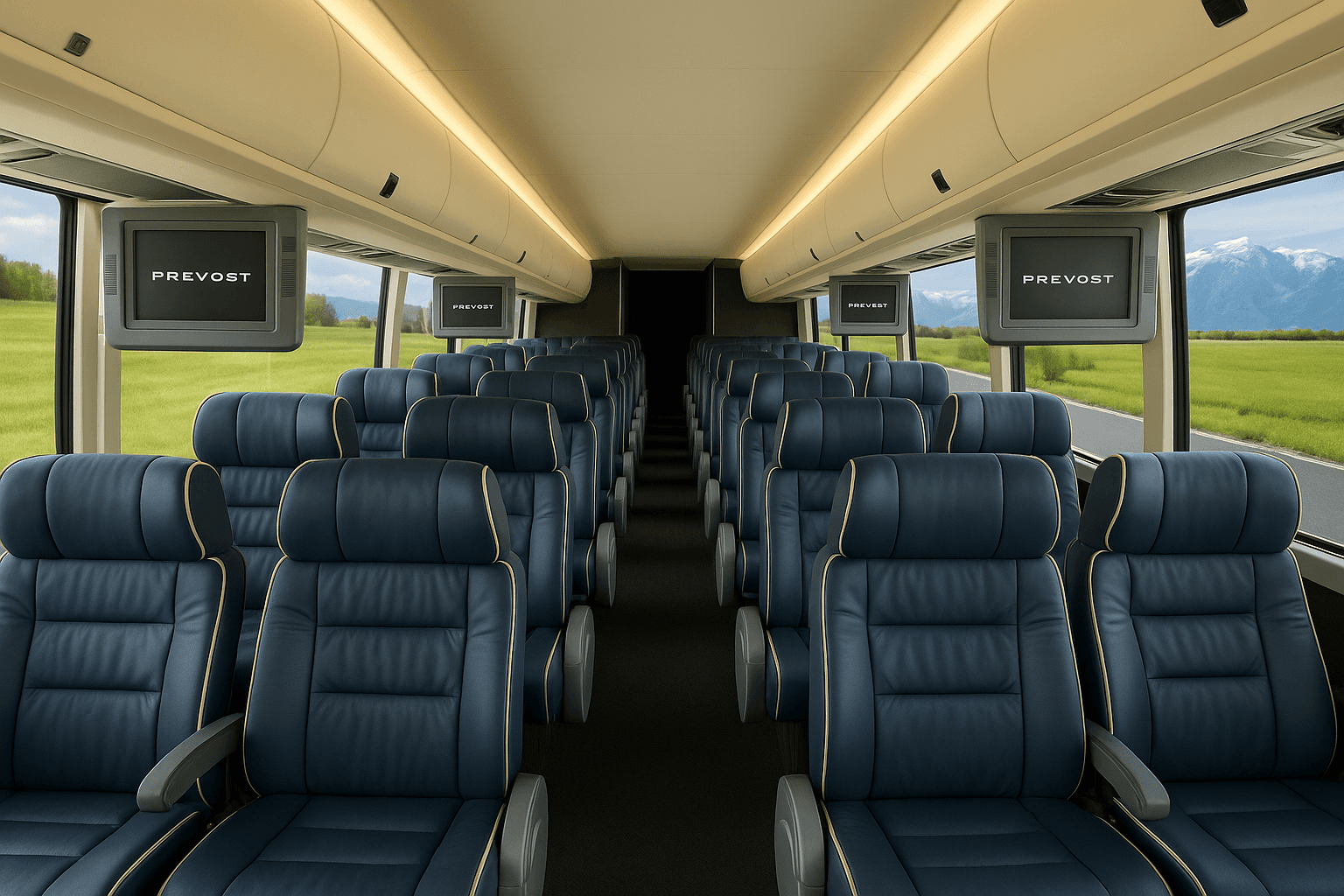 Interior
How many coaches your headcount really needs
Do not plan a coach at fifty-two. Plan it at forty-six. Staff and captains need seats, somebody always sits alone with a box of lanyards, and late additions turn up at every large event. Four spare seats per coach absorb all of that quietly.
| Confirmed riders | Coaches of 52 | Planned load each | Notes |
|---|---|---|---|
| 50 to 90 | 2 | 25 to 45 | Or one 52 plus a smaller coach for the remainder |
| 91 to 140 | 3 | 30 to 47 | The most common multi-coach request we see |
| 141 to 190 | 4 | 35 to 48 | Name a lead captain across all four |
| 191 to 240 | 5 | 38 to 48 | Board in two waves |
Mixing sizes is completely normal. With 110 people, two 52s and a 28-passenger coach often work out better than three full-size buses, and the small one is handy for speakers, VIPs or the group that has to leave at four.
Capacity is the thing people worry about out loud: it comes up in about 15% of the sales calls we analyze. On a job this size the real question is not capacity but confirmed riders, so set an RSVP deadline and mean it. The Vehicle Size Matcher handles one vehicle at a time, so run it for your largest coach group and check the fit there.
Passenger capacity
Analyzed sales calls · 819 call records(CT-05)
Shares of past inquiries, not bookings, prices or availability. How we count these.
Numbered signs, paper manifests, one person in charge
One coach of forty-eight needs one organizer with a clipboard. Three coaches need a system, and the events that run smoothly all use the same one.
- Number every coach. A big printed number in the windshield, and the same number on each rider's badge, ticket or wristband.
- Give every coach a captain. An employee, a parent, a volunteer. They hold the manifest, count heads before the doors close, and have the driver's number. Past two coaches, this is not optional.
- Print the manifest. Names grouped by coach, with a phone number beside each. Your app loses signal in a parking garage. Your paper copy does not.
- Keep people on their own coach all day. Swapping at the return is how you end up with 47 heads on one bus, 49 on another, and nobody sure who is still inside the building.
- Name one lead contact. One voice talks to our dispatch. Captains talk to that person, not to five people at once.
Setting this up costs you an hour and saves you several. It is also the difference between your group of 180 leaving a stadium lot twenty minutes after the whistle and leaving an hour after it. Plot the departures and the captain check-ins in the Event Timeline Builder.
Try it: Vehicle Size Matcher
Match your group to a vehicle
Your result
21+ seat party bus
18 riders with elbow room works best in a vehicle rated for at least 21 passengers.
Want the full walkthrough? Open the Vehicle Size Matcher page.
Loading three coaches without blocking the curb
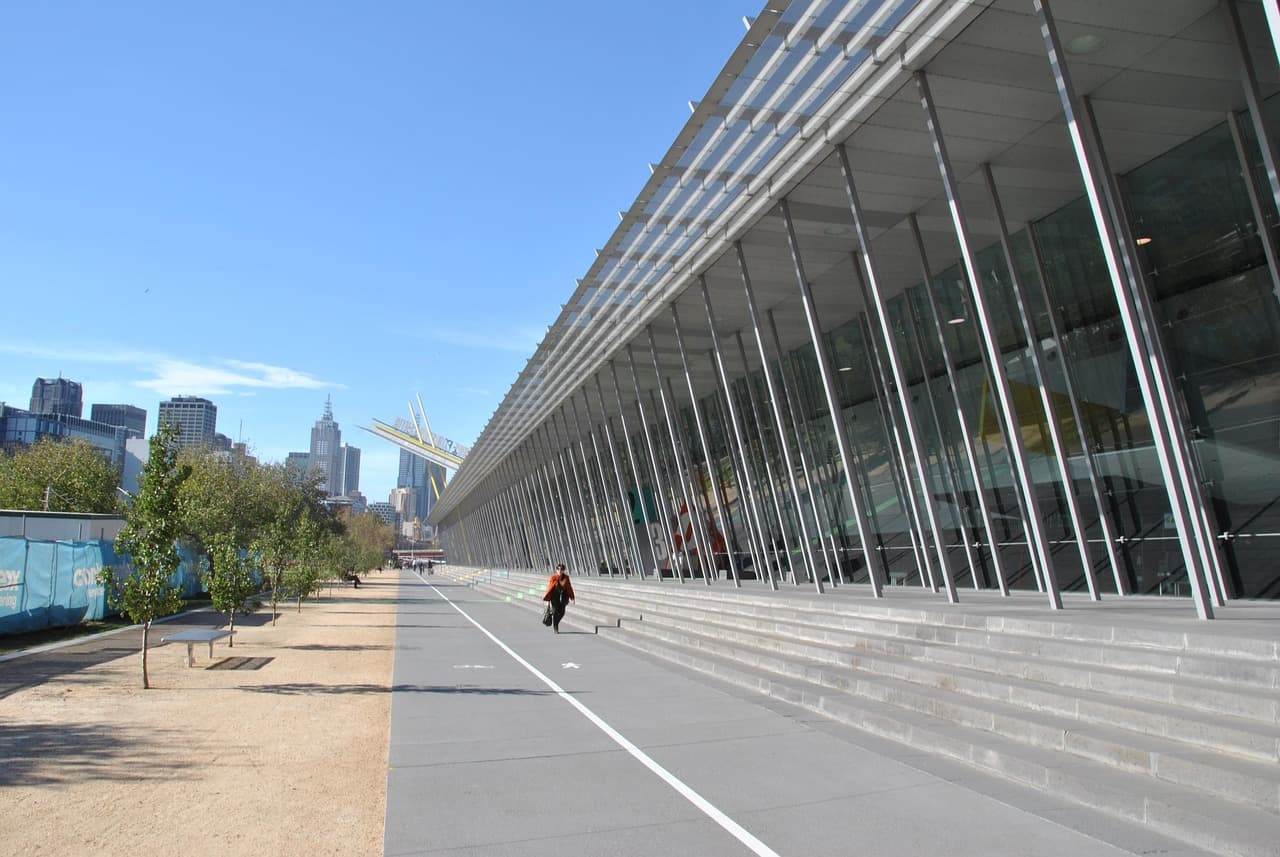
One motorcoach is about as long as a city bus. Three of them need more curb than most buildings have. Where you load changes the plan.
Stadiums and arenas. Venues such as AT&T Stadium in Arlington keep bus parking separate from the car lots, often with its own entrance and its own credential. Ask the venue or your ticket contact for the charter instructions early, because a coach without the right pass gets waved off to a remote lot. Our AT&T Stadium game day guide covers arrival windows.
Convention centers and resort hotels. Big properties downtown, in Las Colinas and in Grapevine usually have a group transportation desk or a bus lane. Tell them how many coaches, what time, and how long they will stand.
Offices and churches. Use the parking lot, not the front door. Cone off a loading row, bring the coaches in one at a time, and send each group out only when its bus has arrived.
Wherever you are, stagger the departures by five to ten minutes. Three coaches pulling out together block a curb and stall an exit ramp. Three coaches leaving in sequence just flow. Pickup and route questions show up in about 8% of the sales calls we analyze, and on a multi-coach day they decide whether the morning works.
Pickup and route planning
Analyzed sales calls · 454 call records(CT-06)
Shares of past inquiries, not bookings, prices or availability. How we count these.
Book several coaches in months, not weeks
Availability is the single most common thing callers raise with us, at about 46% of the sales calls we analyze, and it bites hardest on fleet jobs. You are not asking whether one vehicle is free on a Tuesday. You are asking whether four full-size coaches are free at the same hour, in the same city, on a date when weddings and school trips want them too.
The groups who get this right ask very early. Across our North Texas requests, roughly 15% come in between three months and two years ahead, and large multi-coach events belong squarely in that group. Conferences and all-hands meetings are on the calendar long before the transportation is, and the coach request should follow the venue contract within days.
A sequence that holds up:
- Four to six months out: ask for quotes with a headcount range and a coach count, and ask what the hold terms are.
- Six to eight weeks out: close the RSVP and adjust the number of coaches.
- Ten days out: send manifests by coach, the captain names and your day-of contact.
Fall is the crunch. Football, school events and weddings all lean on the same coaches from September through November. A weekday event is far easier to place than a Saturday in October, so if your date can move at all, move it to a Tuesday.
Availability
Analyzed sales calls · 2,497 call records(CT-02)
91-730 days
North Texas inquiries · 478 of 3,095 records(DPR-066)
Shares of past inquiries, not bookings, prices or availability. How we count these.
Two multi-coach days around the metroplex
A 150-person company offsite
- 8:00 a.m. Three coaches stage in the office park lot in Richardson, numbered one to three. Captains check names at each door.
- 8:20 a.m. They pull out five minutes apart, headed for a ranch venue west of Fort Worth.
- 9:30 a.m. Arrival, coffee, program. The coaches either wait on site or reposition, depending on how you quoted it.
- 4:00 p.m. Same coach groups home, back by 5:15. Our corporate transportation page covers billing and multi-vehicle details.
A hundred fans to a game in Arlington
- Three hours before kickoff. Two coaches load at a church lot in Mesquite, a cooler of water riding in each luggage bay.
- Two hours before. Arrival at the charter lot. Captains hand out the return card: coach number, lot row, departure time.
- Thirty minutes after the whistle. Coach one rolls. Coach two follows ten minutes later with the stragglers.
More on game days sits on our sports event transportation page. If your trip runs overnight or out of state, start with charter services instead.
Pricing a fleet: per coach, then per person
A multi-coach quote is built one coach at a time. Date, hours, minimum and distance, multiplied by how many buses, plus gratuity. Nobody sells you a seat. That structure quietly rewards a few decisions.
- Fewer, fuller coaches win. Three buses at 47 beat four at 35 every time. This is why your RSVP deadline is a budget decision.
- Standby or reposition. Coaches waiting on site all day cost more than coaches that drop, leave and come back. Standby buys you a fast exit when the program ends early.
- Hours. About 74% of requests across that network data ask for four to six hours. A full-day offsite runs longer, and the quote should cover the whole span rather than the pretty parts.
- Weekday or weekend. A Tuesday offsite has far more coaches to choose from than a Saturday in the fall.
For internal budgeting, divide the all-in total by confirmed riders. Finance teams usually compare that figure against reimbursing mileage and event parking for everybody, and the coach tends to look better than expected. If part of the day should feel like a party rather than a transfer, pair the coaches with a 45-passenger party bus for the evening leg. The full range of sizes is on our coach bus fleet page.
4-6 hours
Network-wide inquiries · 2,467 of 3,355 records(DPR-264)
Shares of past inquiries, not bookings, prices or availability. How we count these.