Airport runs break on bags, not distance
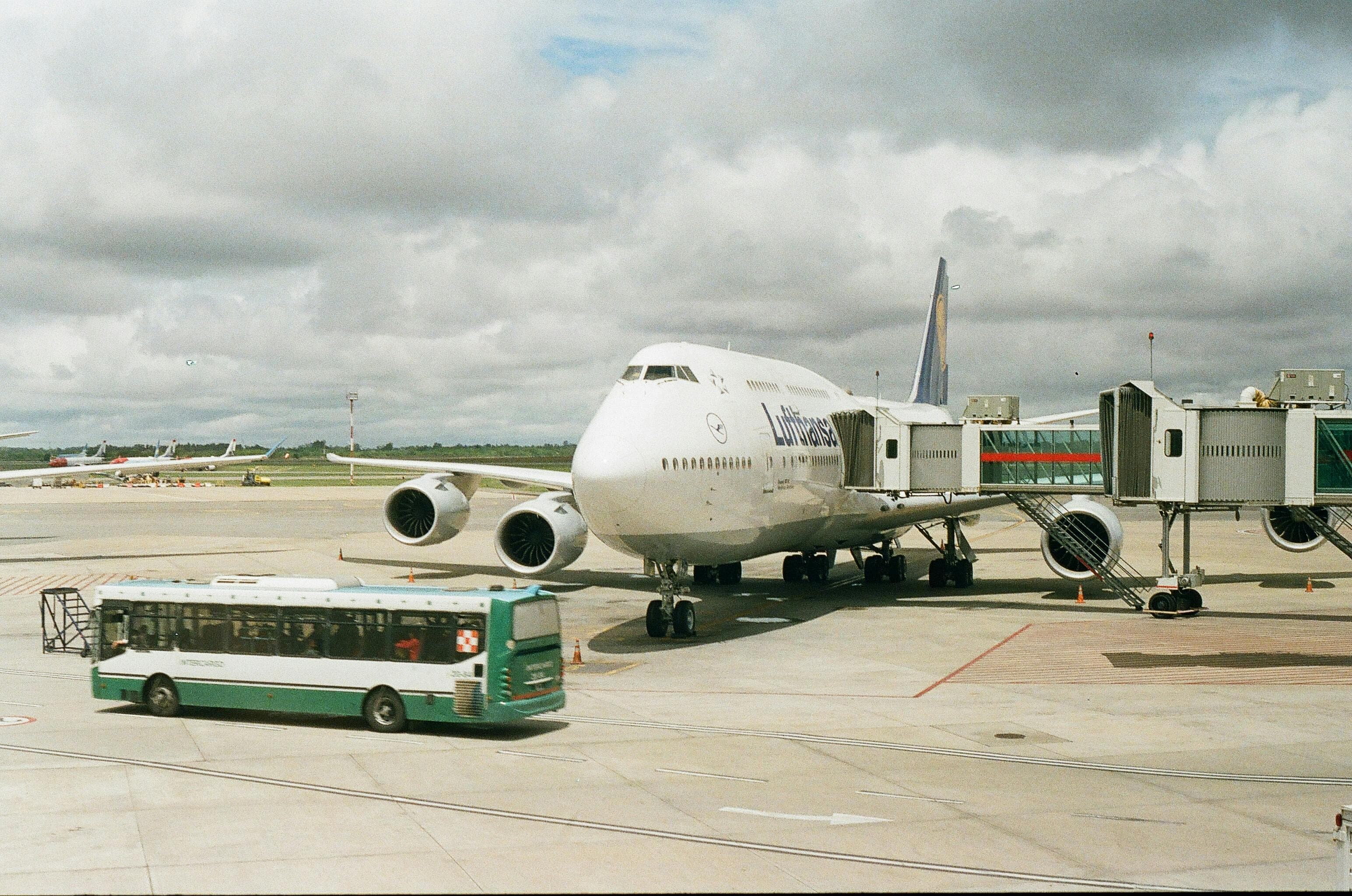
Getting one person to the airport is a solved problem. Getting fourteen of them there with twenty suitcases, from a hotel in Uptown, for a 10:30 flight, is a small logistics project. The distance is the easy part. What goes wrong is that somebody planned it like a solo trip: a pickup time based on a quiet-hour drive, a vehicle sized to the headcount with no thought for luggage, and no allowance for how slowly a crowd moves through a terminal door.
So drop your numbers into the planner at the top of this page and it does the loop for you. Flying out, it returns the time your vehicle should pull away from the pickup point. Flying in, it returns the time to have the vehicle staged at the curb. Both ways it suggests a vehicle class from your riders and your checked bags together, because those two numbers fight each other.
It is built for the wedding family bringing relatives in, the office moving a team to a conference, the reunion organizer, and anyone connecting to a cruise or a convention. Route and pickup details come up on fewer than one call in ten across the transportation calls we analyze, but on an airport job they are nearly the whole job. A missed dinner reservation is annoying. A missed flight is a rebooked group.
Pickup and route planning
Analyzed sales calls · 454 call records(CT-06)
Shares of past inquiries, not bookings, prices or availability. How we count these.
The seven things it asks you for
- Direction. To the airport, or from it. This flips the whole calculation and relabels the flight field.
- Airport. DFW International or Dallas Love Field. It labels your result. The timing rules are the same for both, so the real difference shows up in the drive minutes you enter.
- Flight departs or lands. The scheduled time on the ticket. If your people are spread over several flights, plan departures around the earliest and arrivals around the latest.
- International. Tick it for any international leg. It lengthens your lead time outbound and your customs allowance inbound.
- Riders. Everyone in the vehicle.
- Checked bags. Full-size suitcases plus anything awkward: golf bags, display cases, strollers, garment bags that will not fold. Carry-ons on laps do not count. Enter zero only if you are genuinely travelling light, since zero also removes the baggage-claim allowance on arrivals.
- Drive minutes. Between your pickup point and the terminal, at the hour you will actually be on the road. Departures only.
For that last one, open a maps app and set the departure time. A morning run from Plano or Frisco down the Tollway toward DFW, or anything crossing downtown toward Love Field around five in the afternoon, deserves the pessimistic end of the range it gives you.
The arithmetic behind your pickup time
Flying out
- Start with a curb lead of 120 minutes domestic, 180 international.
- Add fifteen minutes if you have more than fifteen riders. Big parties check in slowly and spread across security lanes.
- Flight time minus that lead is when you need to be at the curb.
- Subtract your drive, then another ten for loading. That is the pickup time in the big type.
Flying in
- Start from the scheduled landing time.
- Add thirty minutes domestic, or sixty international to cover customs.
- Add fifteen more if anyone checked a bag, for the carousel.
That gives you the time to stage the vehicle. The tool also nudges you to share the flight number, so the pickup follows the real arrival rather than the printed schedule.
Which vehicle it points at
| Your numbers | What it suggests |
|---|---|
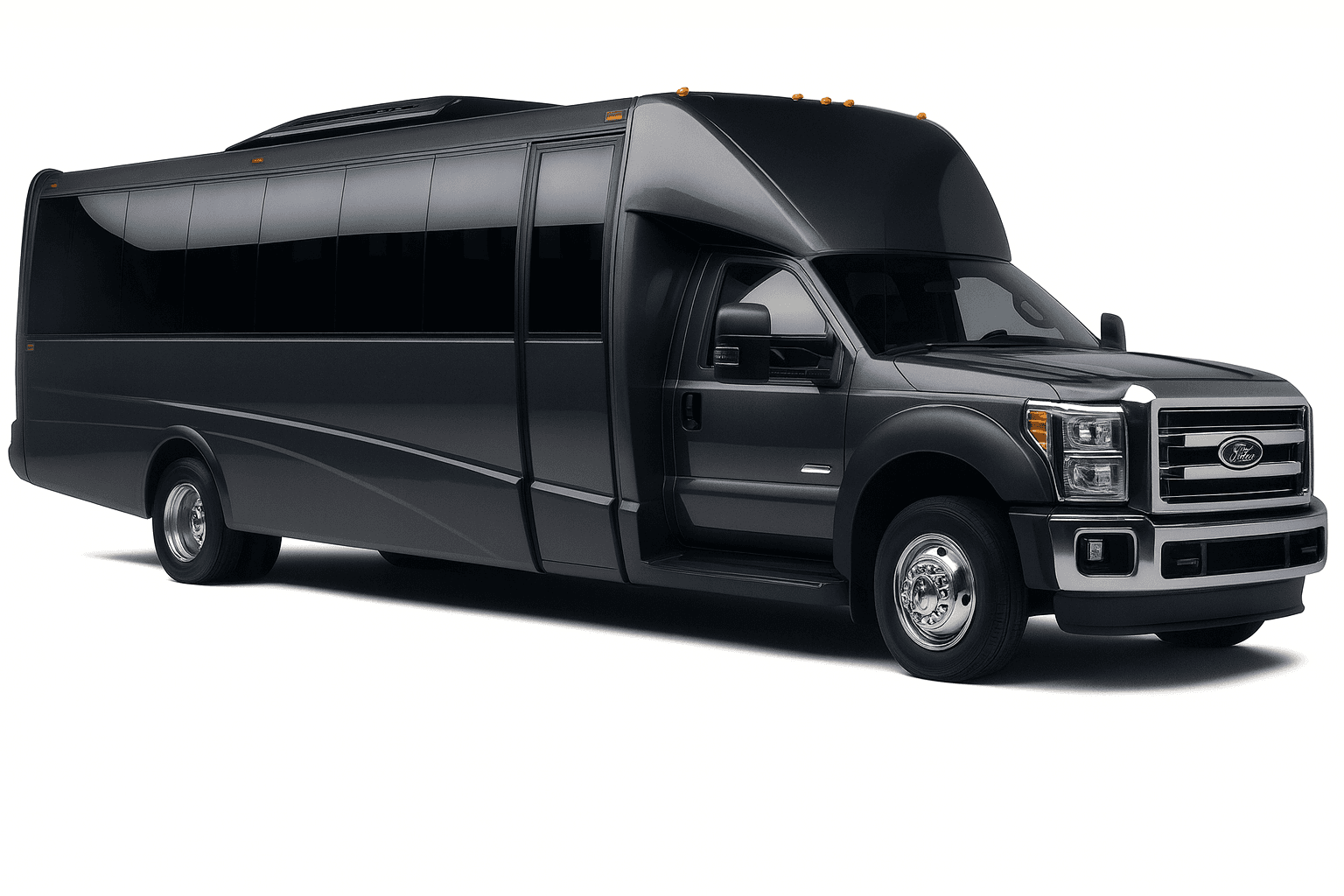
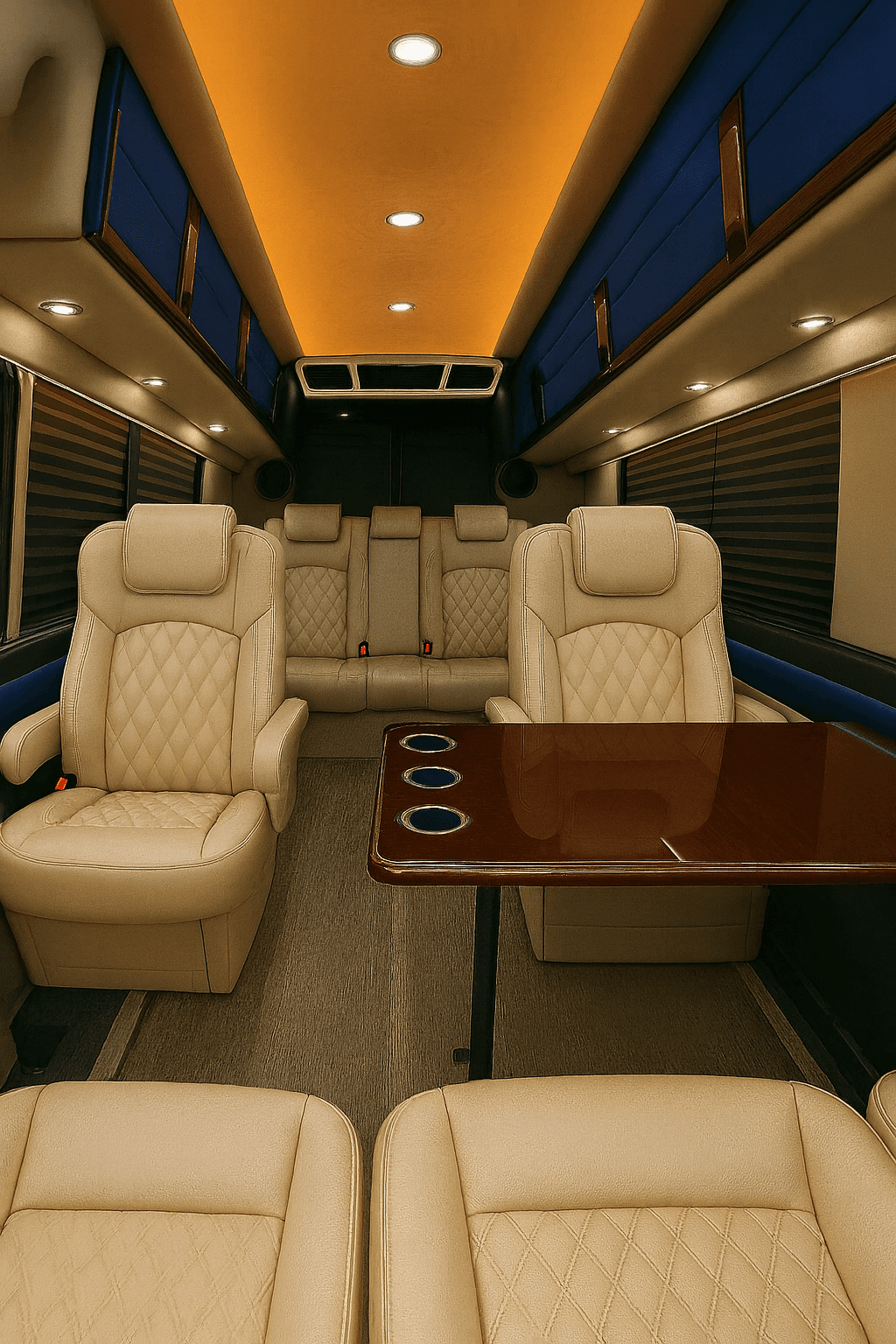
| 12 or fewer riders, 12 or fewer bags. | Executive Sprinter. |
| Riders plus one seat per three bags comes to 30 or less. | Mini coach with rear luggage. |
| Anything bigger. | Full-size coach with under-floor bays. |
That one-seat-per-three-bags rule is the idea worth remembering. In a vehicle with no luggage hold, your suitcases ride where your people would.
Three real DFW-area runs
A sales team leaving Legacy West for DFW
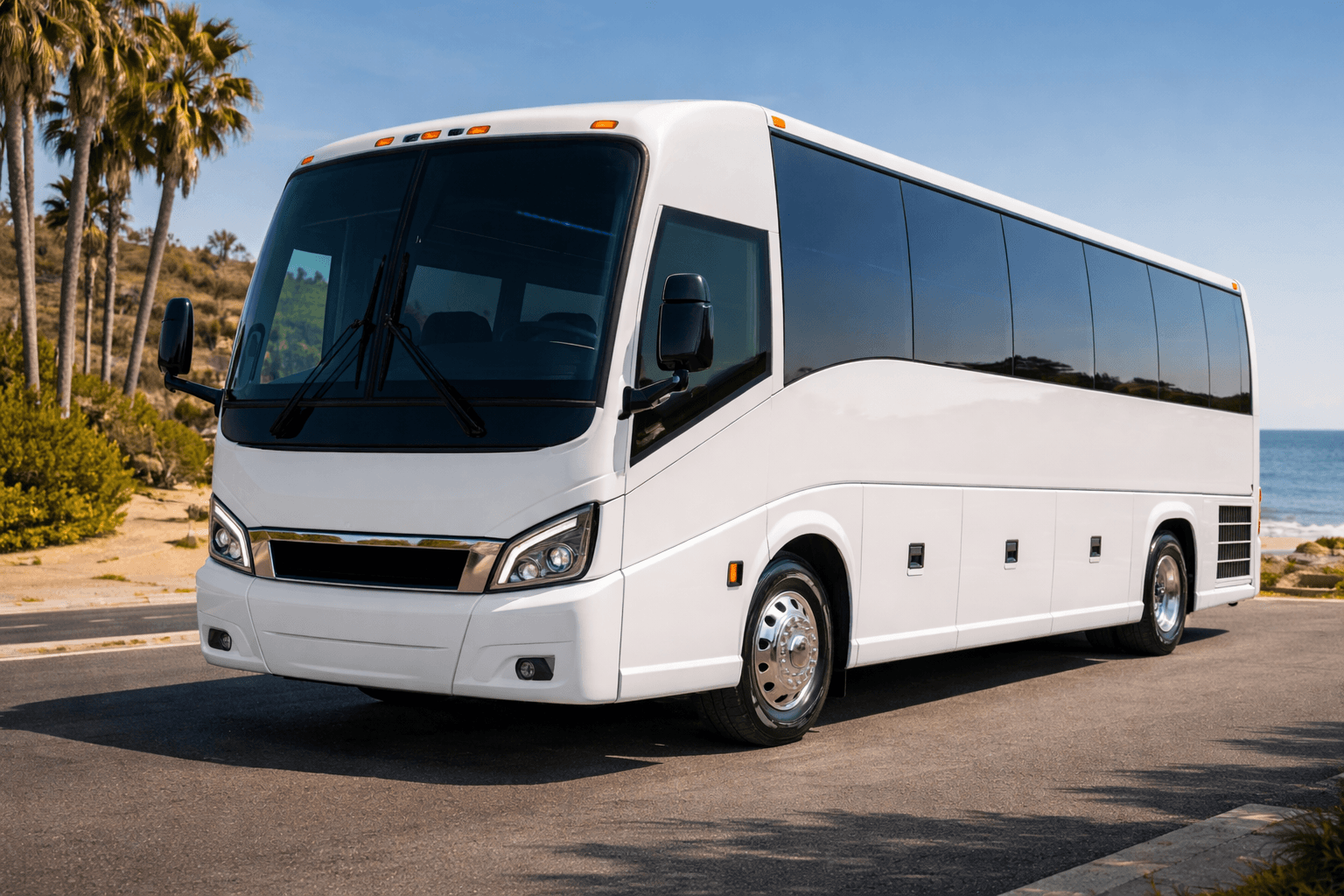
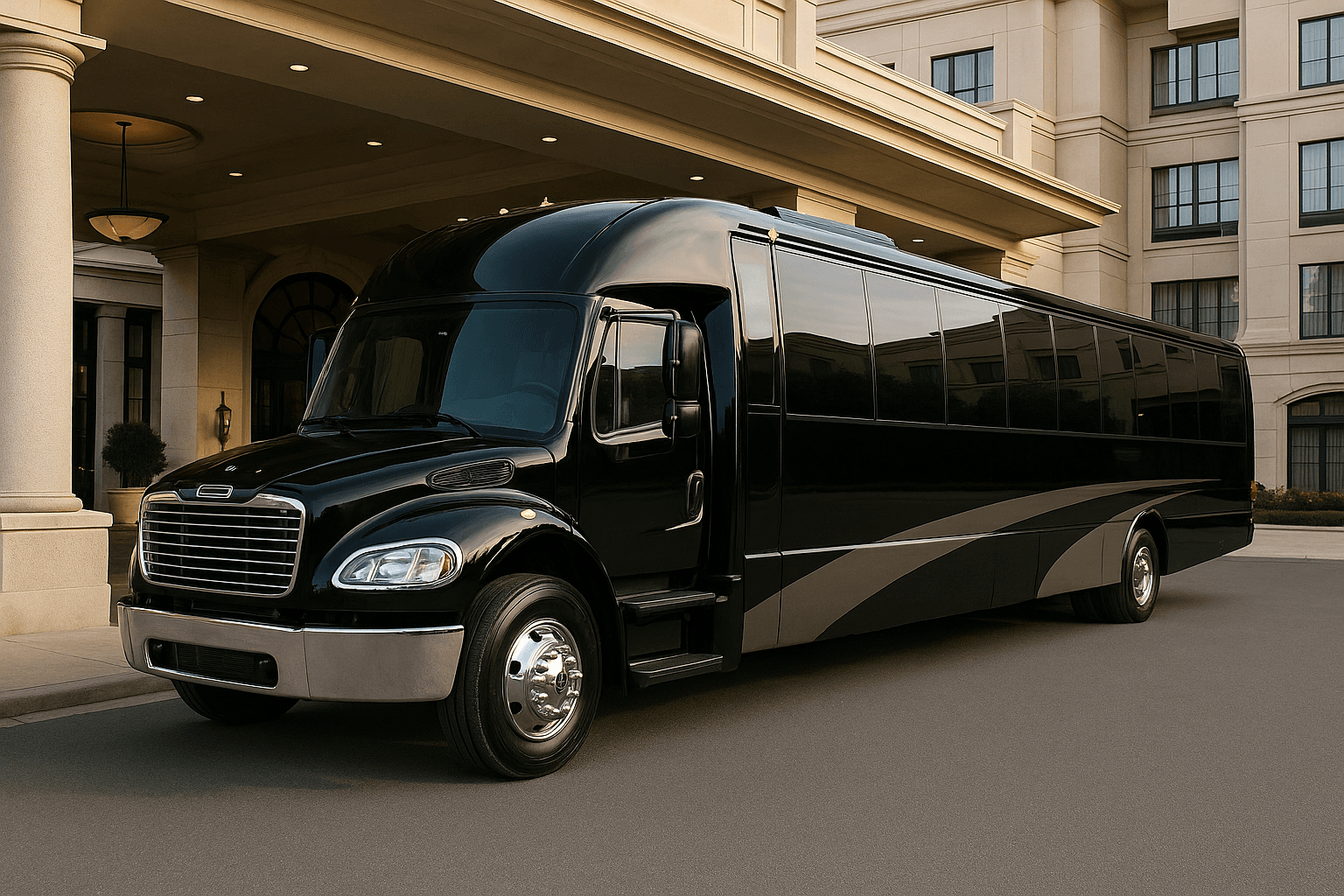
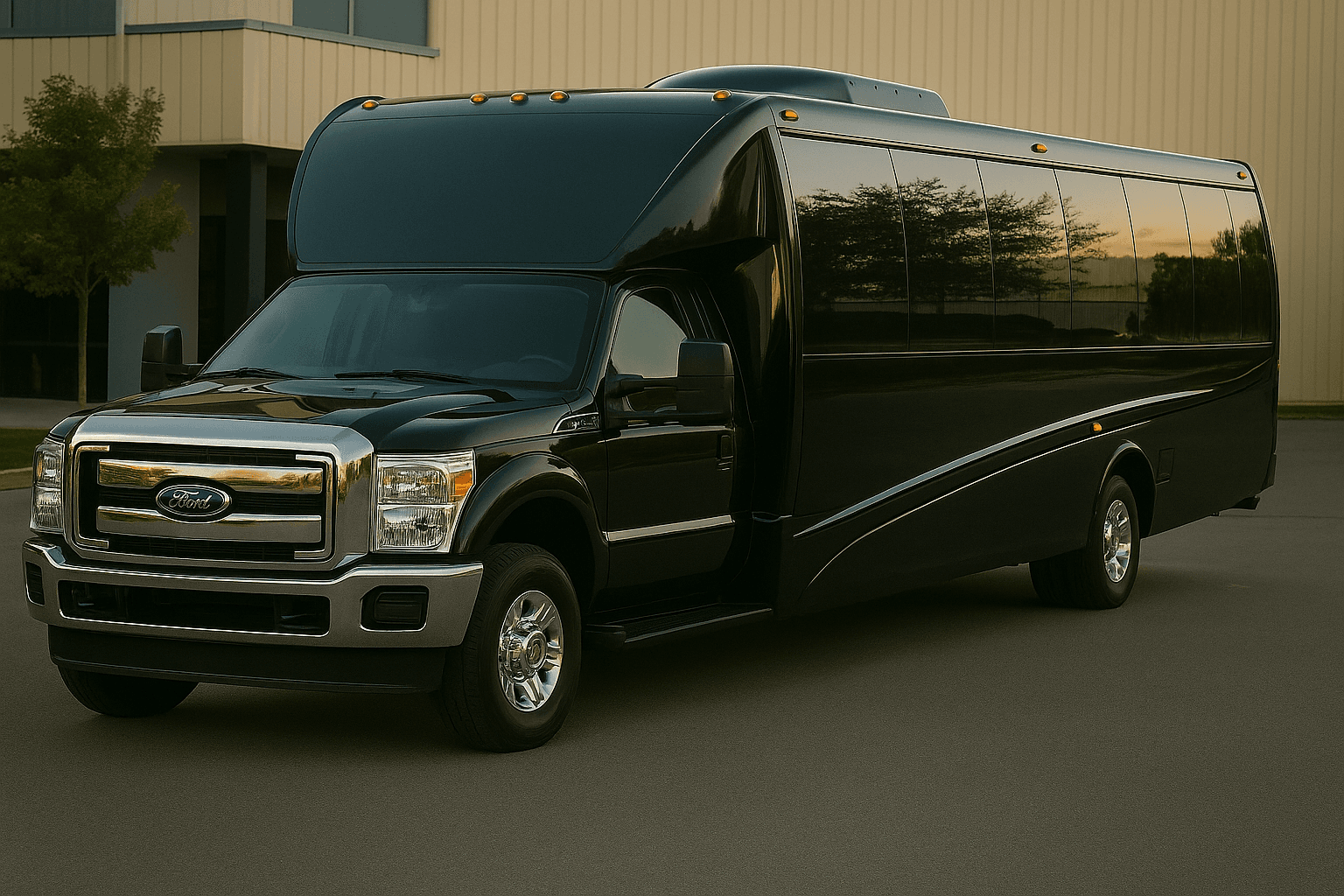
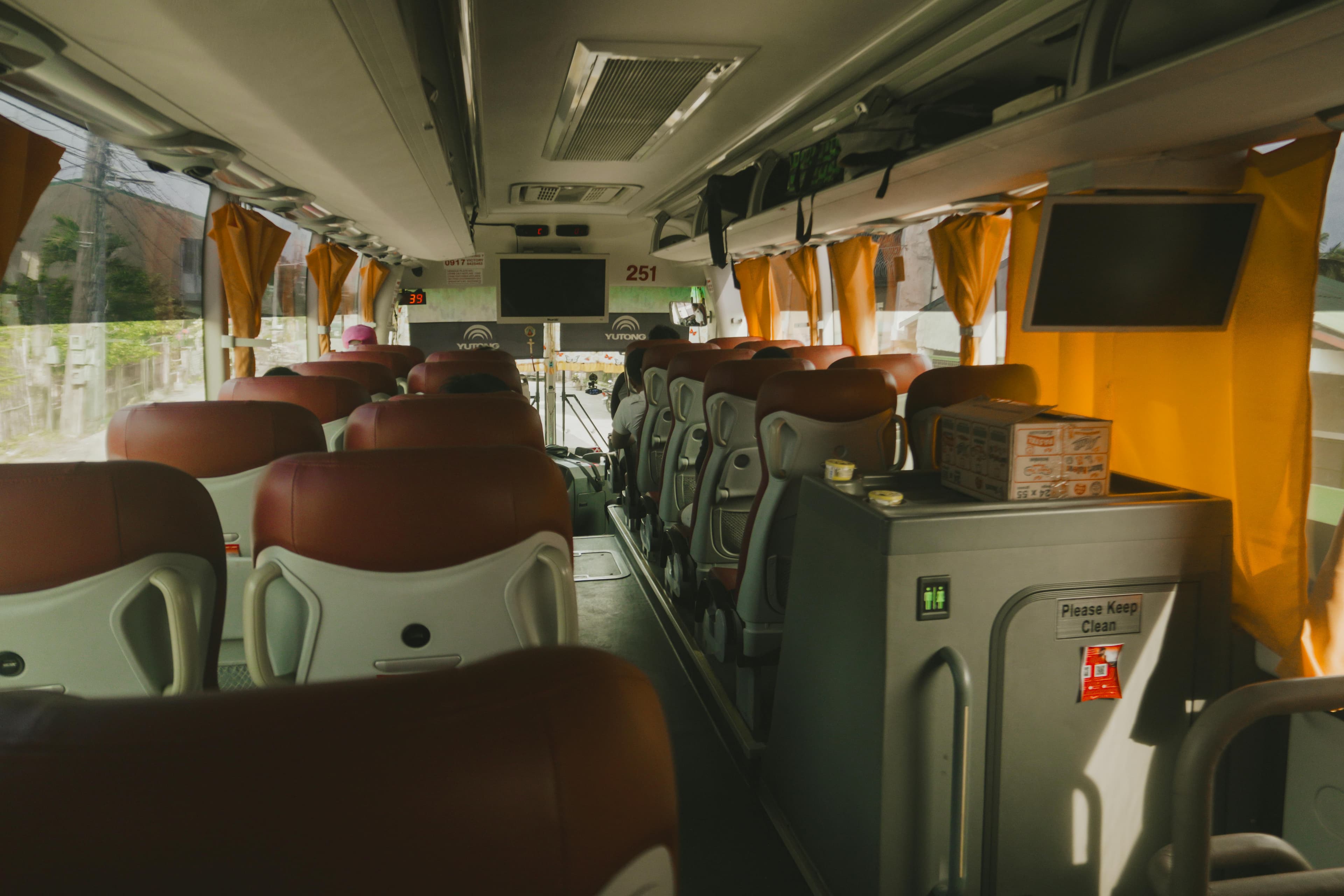
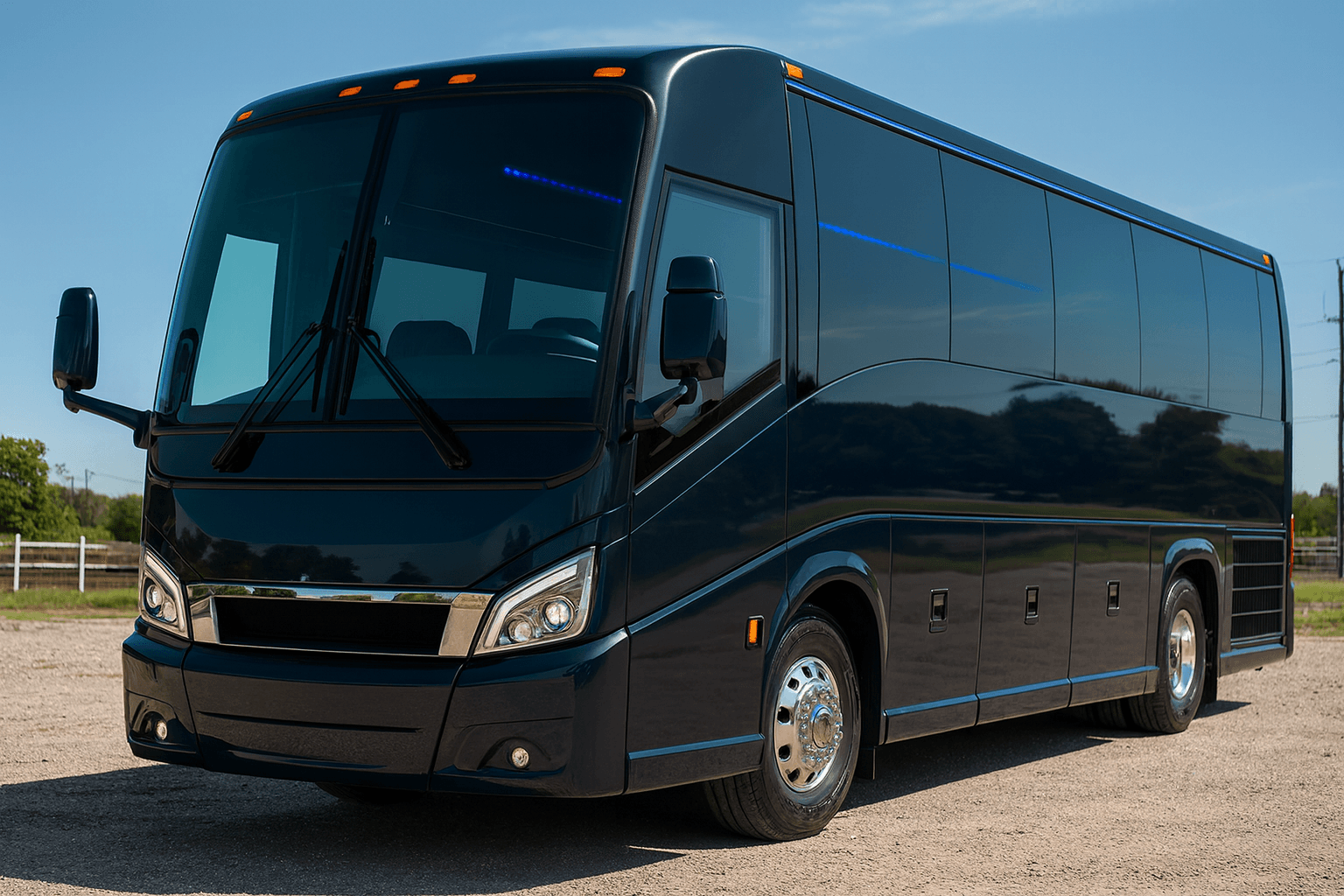
Twenty-two people, twenty-two bags, a 1:15 p.m. domestic flight, forty minutes of driving. Because the group is over fifteen, the lead stretches to 135 minutes, so curb time is 11:00 a.m. Take off the drive and the loading and your pickup is 10:10 a.m. Riders plus bag seats comes to thirty, which points at a mini coach along the lines of a 30-passenger coach bus.
Wedding relatives landing at Love Field
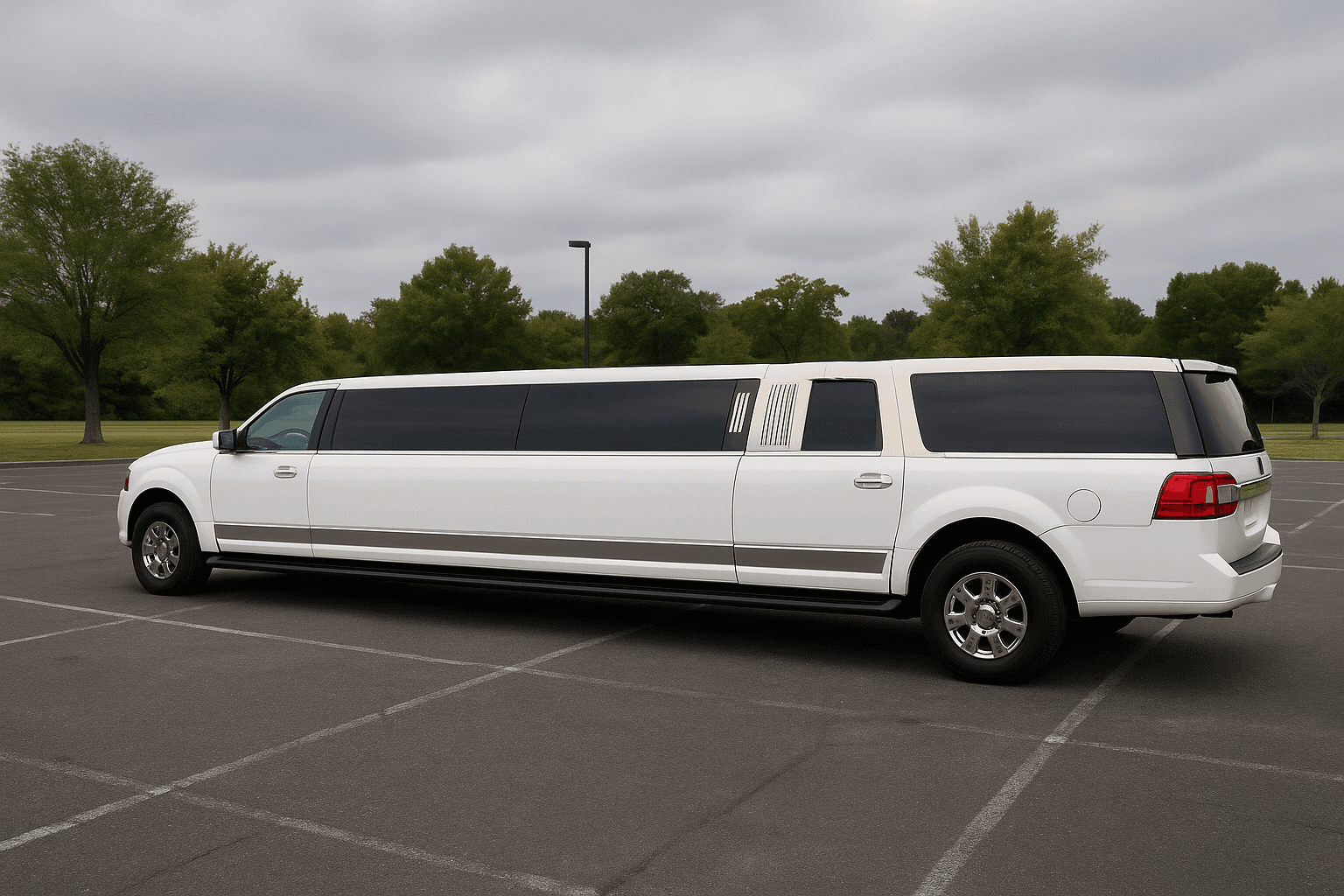
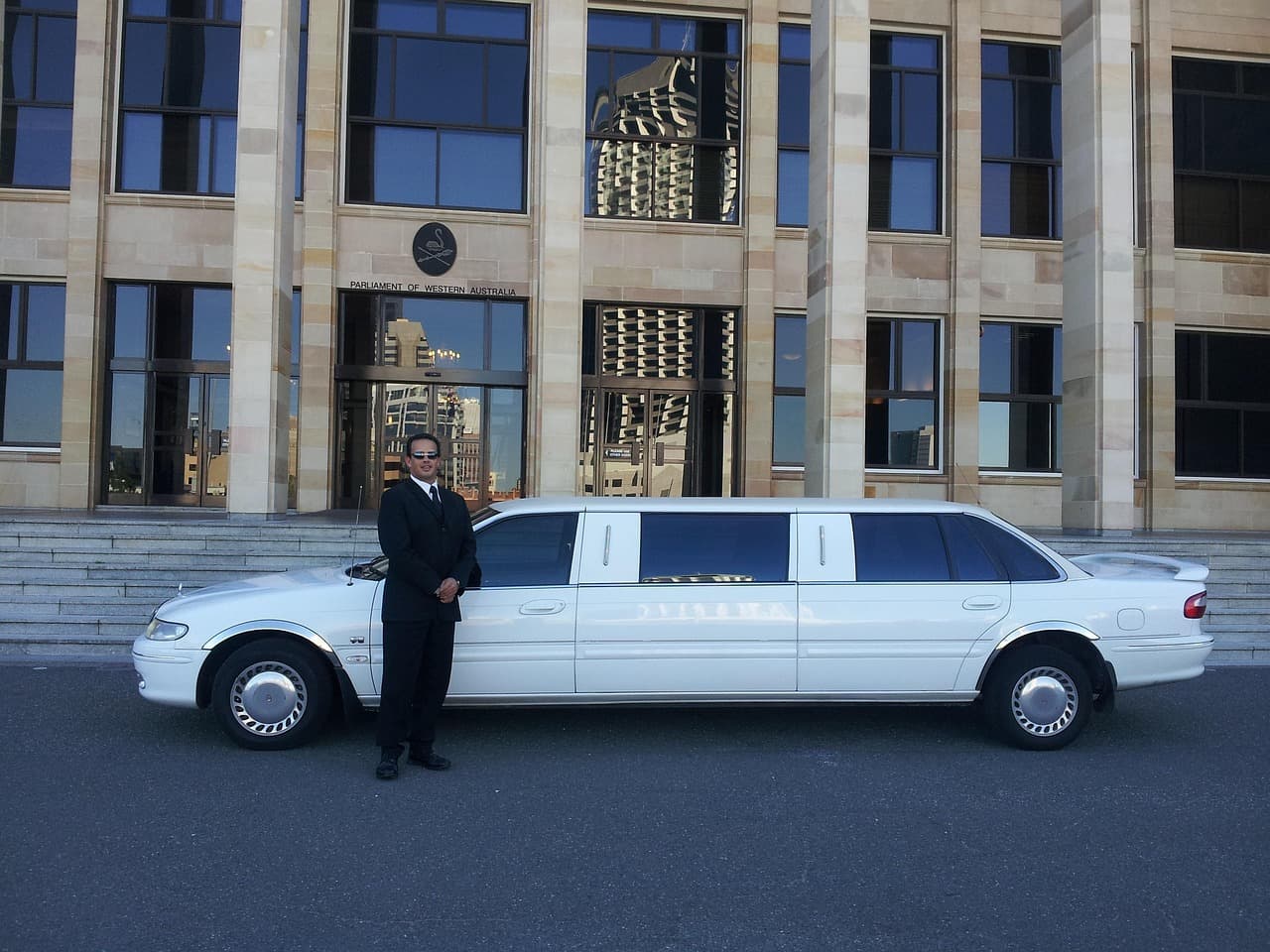
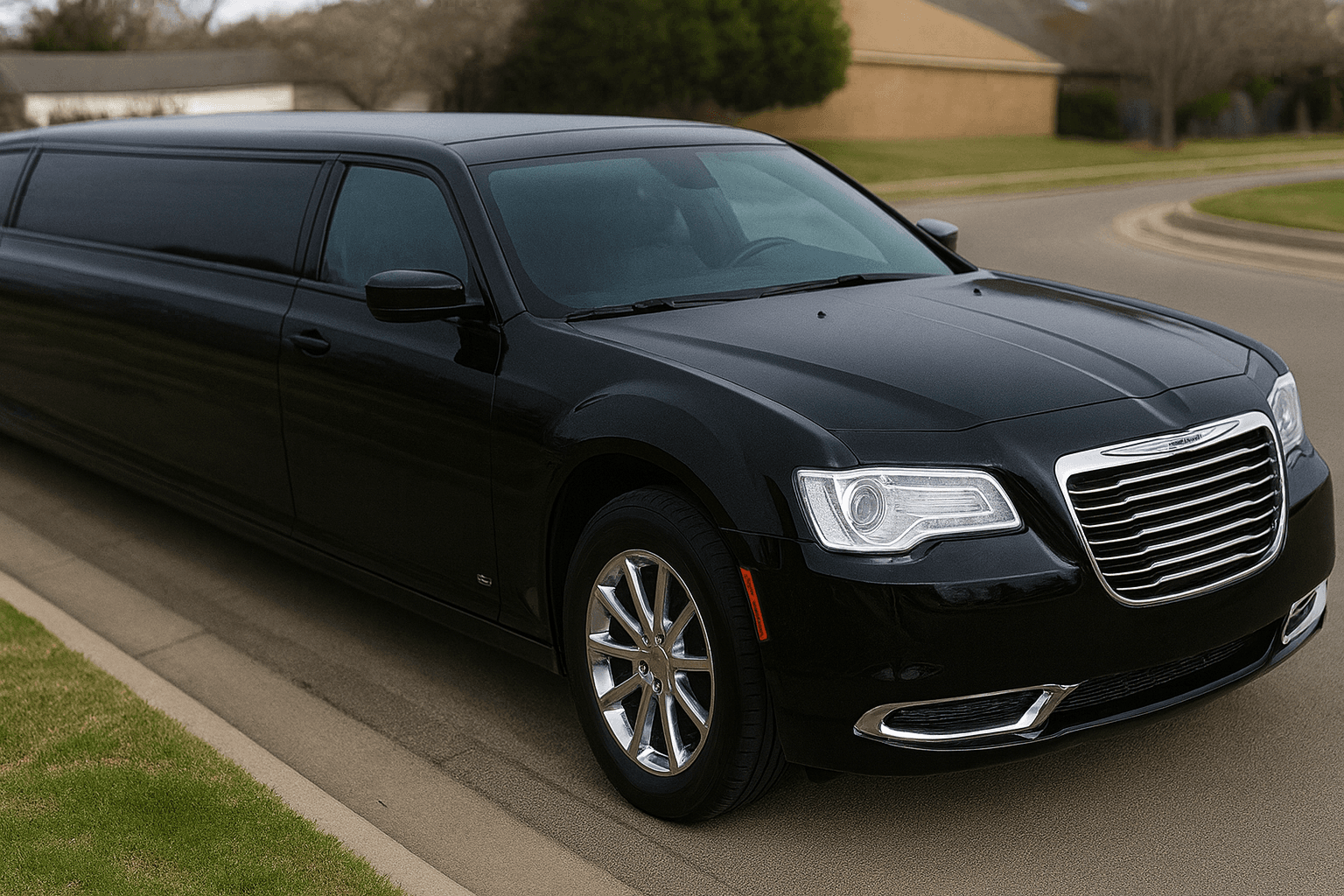
Ten people, ten bags, a 3:40 p.m. domestic landing. Thirty minutes plus fifteen for the carousel puts your vehicle at the curb at 4:25 p.m. Ten and ten sits inside the Sprinter rule. If the family would rather arrive in style, a 14-passenger stretch limousine works when the bags are modest, and our wedding transportation page covers guest arrivals in full.
A tour group out of Fort Worth on an international flight
Twenty-eight people, forty bags, a 5:45 p.m. departure, fifty minutes from Fort Worth. The lead is 195 minutes, so curb time is 2:30 p.m. and pickup is 1:30 p.m. Twenty-eight riders plus fourteen bag seats makes forty-two, which is a 44-passenger coach bus and nothing smaller.
What the numbers say about airport groups
We do not keep a separate airport category in our inquiry data, so read everything here as all-inquiry figures rather than airport ones.
About 20% of the requests in our own data are for one to ten riders. That is where an executive Sprinter does the job nicely, as long as the bag count behaves. At the far end, roughly one request in fourteen across our North Texas data is for 31 to 100 riders, which is where corporate and convention transfers usually sit and where a coach with luggage bays is the only sensible answer.
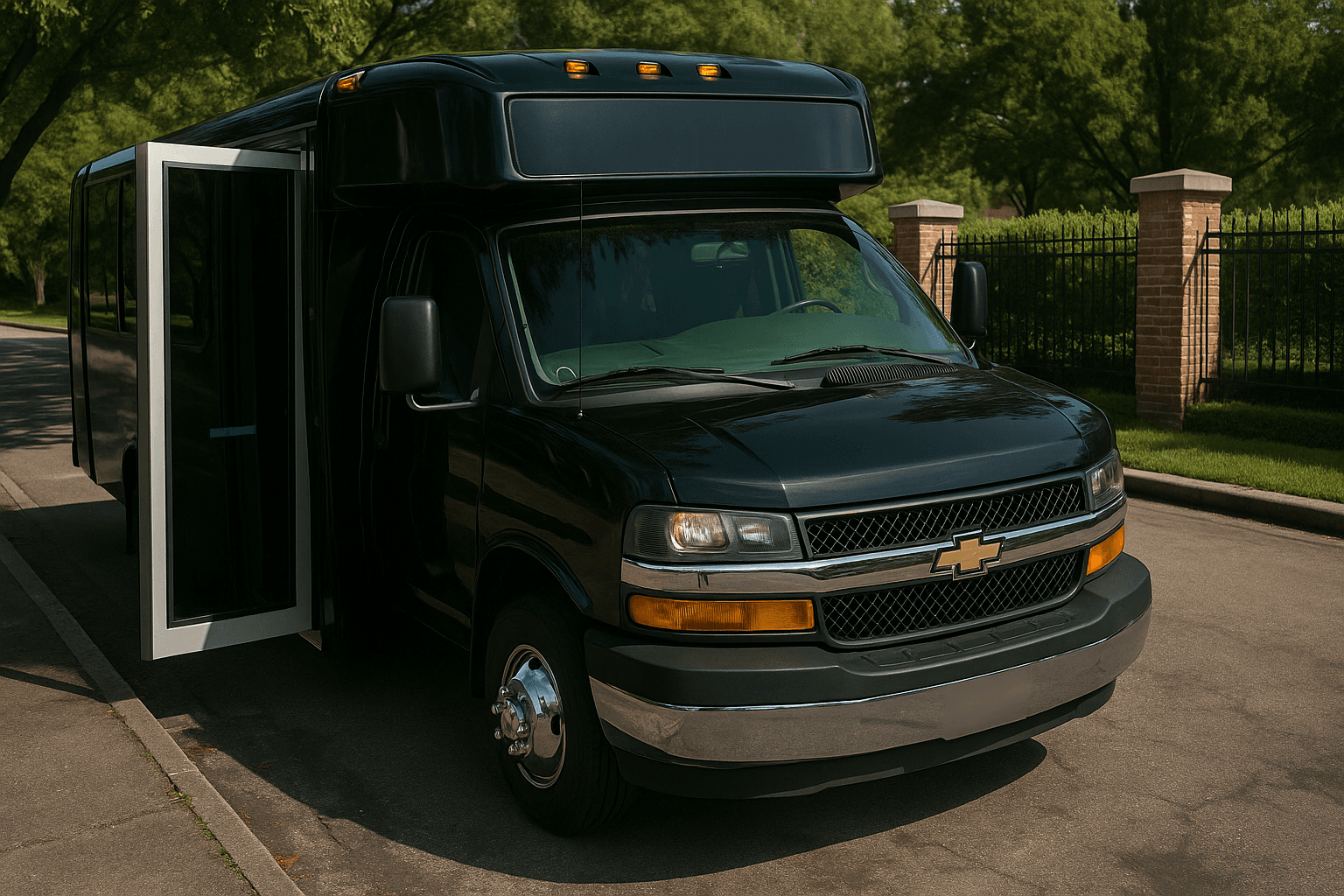
Vehicle preference tells a related story. Across that same North Texas data, nine out of ten people who name a vehicle type ask for a party bus or a Sprinter, because those are the words everyone knows. For an airport transfer, though, a party bus is rarely right: perimeter seating and no cargo area mean your luggage fills the floor. The planner never suggests one. If your group wants a celebratory ride from the airport, book the fun vehicle for the evening and a luggage-friendly one for the transfer.
Timing, last. Roughly one request in seven arrives inside the final week. Flights are usually booked months ahead, so there is no reason your ground transportation should be a last-week scramble. Send the request when the tickets are issued and forget about it.
1-10 passengers
Dallas Party Ride inquiries · 63 of 313 records(DPR-008)
31-100 passengers
North Texas inquiries · 181 of 2,557 records(DPR-044)
Party bus or Sprinter
North Texas inquiries · 541 of 595 records(DPR-042)
0-7 days
Dallas Party Ride inquiries · 46 of 328 records(DPR-012)
Shares of past inquiries, not bookings, prices or availability. How we count these.
How groups end up stranded at the curb
- Planning an arrival around the schedule alone. Flights land early and late. Give us the airline and flight number so the pickup follows the real one.
- Undercounting bags. Ask every traveler, not the loudest one. Conference groups carry sample cases and banner stands. Wedding groups carry garment bags. Ski and golf trips carry the obvious. One oversize item eats the space of two suitcases.
- One pickup time for scattered travelers. Three hotels means three loading stops. Gather everyone in one lobby, or send us all three addresses so the schedule reflects reality.
- No meeting point on arrival. DFW has five terminals and Love Field has one. A group on different flights can land in different terminals, so pick one terminal and one door, and put one person in charge of the headcount.
- Nobody on the ground. Someone who is not flying, an office manager or a family member, should hold the driver's number and the itinerary. Phones go into airplane mode at exactly the wrong moment.
- Treating the return as a separate errand. Ask for both directions at once. You already know the return flight, and one conversation beats two.
Commercial vehicles follow each airport's rules about where they can load, and those zones are not always where rideshare cars stop. Your driver knows the current procedure. Your job is getting everyone to the agreed door.
From a pickup time to a real booking
Once you have your time and your vehicle class, turn them into a request. Send the airline and flight number, the direction, your rider count, your bag count with any oversize pieces flagged, the address, and a mobile number for whoever is leading the group. The Quote Request Builder has a field for each of those, and the must-haves line is where luggage and accessibility notes belong. Then send it through our quote form.
Want to check the suggested class against our actual fleet? The Vehicle Size Matcher has a point-to-point setting with a gear checkbox, and it links straight to specific coach buses by seat count.
For your travelers, a short document and packing list kills most morning-of delays. The Ride Packing Checklist has an airport and corporate list covering flight numbers, a traveler manifest and a backup contact. Our airport shuttle page describes the service itself, and the corporate transportation page covers programs where the airport run is only leg one.