Arlington is its own kind of trip
AT&T Stadium sits in Arlington's entertainment district, halfway between Dallas and Fort Worth, next to Globe Life Field and Texas Live!. There is no rail line to the door. Practically everyone arrives by road, and almost all of them funnel off the same two highways, I-30 from the north and SH-360 from the east, onto Collins, Randol Mill and Division.
For your group that creates three problems a bus deletes. Four cars means four parking passes and four walks from four different lots, and you never fully reassemble until halftime. Somebody has to stay sober and drive home through the worst traffic of the week. And after the game, a rideshare pickup for a big party means a long wait and a surge fare split across several cars.
One vehicle changes the shape of your day. You gather once, the pre-game starts when the door closes, and everybody goes home together. This guide is the planning half of that: when to leave, how to come in, and how to get out. For vehicle options and the other DFW arenas, see our sports event party bus page. If your plan involves a grill and a canopy in a lot, the tailgating party bus page covers passes and gear.
What the season looks like from our phones
Football drives everything. About 50% of the sports and game-day inquiries in our wider data name a fall date, far above the share for all event types. October leads by month, with November and September close behind. So if you want a specific home game in that stretch, especially a division rival or the Thanksgiving game, you are in line with a lot of other organizers.
The day of the week helps you, though. Nearly one in five sports requests names a Sunday, against a tiny slice for events generally. Sunday is an unusual day for charter vehicles, because weddings and birthdays pile onto Saturday. So an NFL Sunday is often easier to place than a Saturday college game at the same stadium, where you are competing with every wedding in North Texas.
When people ask is another story. Roughly half of sports inquiries arrive inside thirty days of the game. Fans wait for the schedule, then for tickets, then to see whether the team is worth the trip. Understandable, and inquiry timing is not the same as availability, but the organizers with the most choice are the ones who call when the schedule drops in spring. The Booking Window Planner will give you a date to work back from.
Sports or game-day · October
Network-wide inquiries · 249 of 1,416 records(DPR-284)
Sports or game-day · Sunday
Network-wide inquiries · 254 of 1,416 records(DPR-227)
Sports or game-day · Within 30 days
Network-wide inquiries · 723 of 1,410 records(DPR-276)
Shares of past inquiries, not bookings, prices or availability. How we count these.
Work backward from kickoff, not from the map
Aim to reach the stadium district about two and a half hours before kickoff for a relaxed day, two at the absolute minimum. Gates open well ahead, security lines for a sellout move slowly, and your last two miles can take as long as the first twenty.
| Starting area | Normal drive | Game-day allowance | Leave for a noon kickoff |
|---|---|---|---|
| Fort Worth | 20–25 min | 45 min | 8:45 a.m. |
| Uptown or downtown Dallas | 25–30 min | 50–60 min | 8:30 a.m. |
| Irving and Las Colinas | 20–25 min | 45 min | 8:45 a.m. |
| Plano and Frisco | 45–50 min | 75 min | 8:15 a.m. |
| McKinney and Allen | 55–60 min | 90 min | 8:00 a.m. |
These are planning estimates, not promises. One wreck on I-30 rewrites the whole table. Shift the last column for other kickoffs: for a 3:25 game, add three hours and twenty-five minutes. Night games bring a different trap. On a Monday or Thursday your drive overlaps the weekday commute, so add another fifteen or twenty minutes from anywhere north or east of downtown Dallas.
The Event Timeline Builder lets you enter kickoff and run the day backward, breakfast or bar stop included. Groups from Frisco and McKinney often add a stop in Irving or at Texas Live! to break up the ride. Check current hours for whatever you add.
Try it: Event Timeline Builder
Work backward from your arrival time
Your result
First pickup 4:38 PM
- 4:23 PMVehicle staged at first pickup
- 4:38 PMPickup 1 — everyone curbside
- 5:00 PMPickup 2 — everyone curbside
- 5:10 PMPhoto stop begins
- 5:40 PMDepart for venue
- 6:15 PMVehicle arrives at venue
- 6:30 PMEvent start / hard arrival time
Want the full walkthrough? Open the Event Timeline Builder page.
Coming in, and the pickup plan you make first
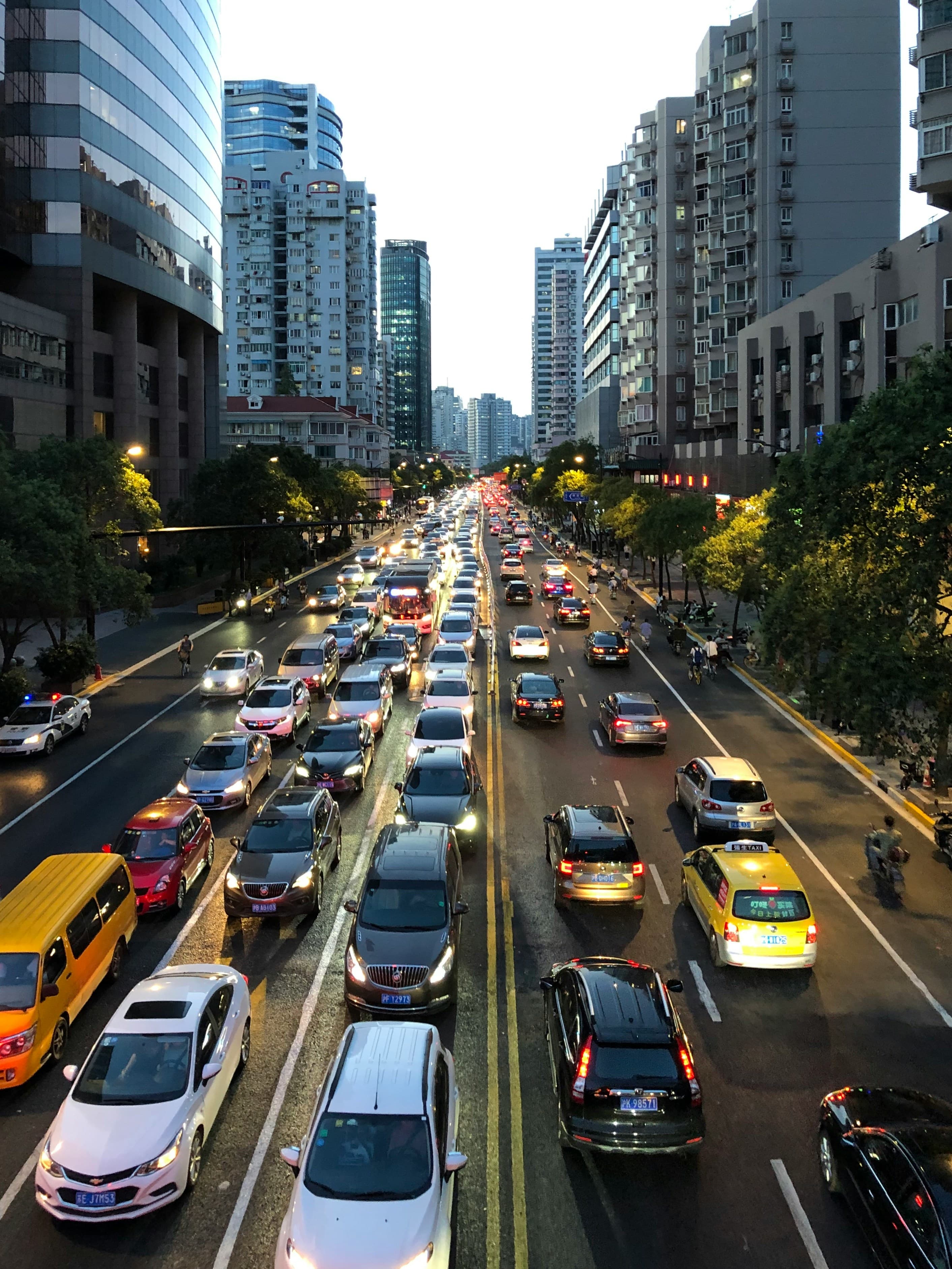
Your driver picks the final approach based on that day's closures, which change by event. Knowing the logic still helps you plan around it.
- From Dallas, I-30 west is the direct line, and it is what everyone else is doing. Drivers sometimes swing south to come up SH-360, or use Division Street to reach the district from below.
- From Fort Worth, I-30 east toward Collins or Ballpark Way, with Division as the surface backup.
- From the north suburbs, the George Bush Turnpike or SH-121 to SH-360 south, which skips downtown Dallas entirely.
Buses and oversize vehicles get sent to specific lots and drop zones, separate from car parking, and those passes sell in advance. Check the stadium's current parking information for your event, since the rules differ between an NFL game, a college game and a concert. Tell us whether you have a bus pass, or want one, when you ask for a quote. It decides whether your vehicle stays on site or stages elsewhere.
Then lock the pickup plan before anyone steps off:
- One named meeting point, agreed with your driver and photographed by everybody.
- One departure time, say thirty minutes after the final whistle. Stragglers arrange their own ride.
- One person holding the driver's number, plus a backup who is not standing next to them.
Cell networks crawl when the stadium empties. A plan that depends on a group text at 3:15 will fail. A plan everyone already memorized will not.
Pickup and route planning
Analyzed sales calls · 454 call records(CT-06)
Shares of past inquiries, not bookings, prices or availability. How we count these.
Coolers take seats, and so do December coats
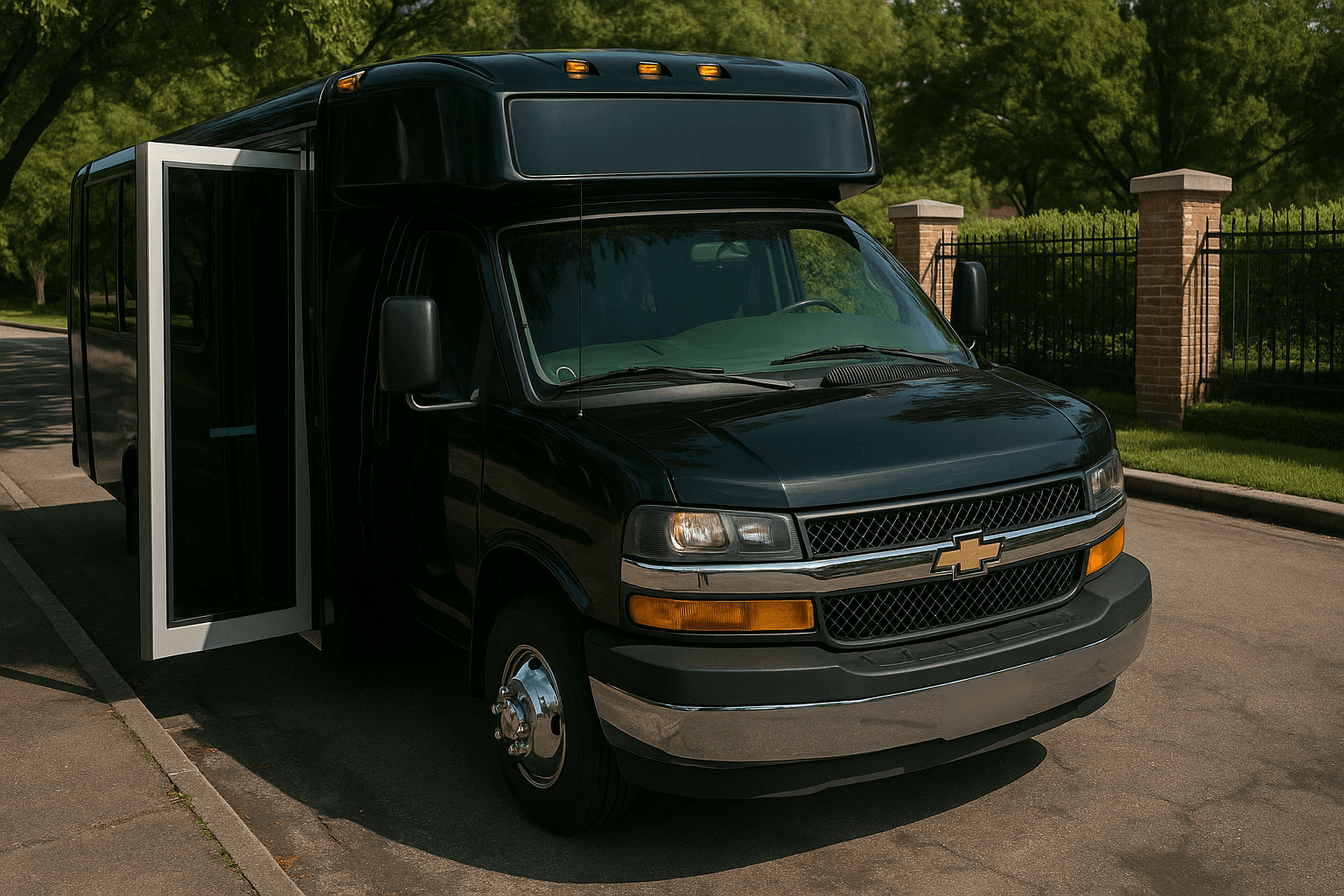
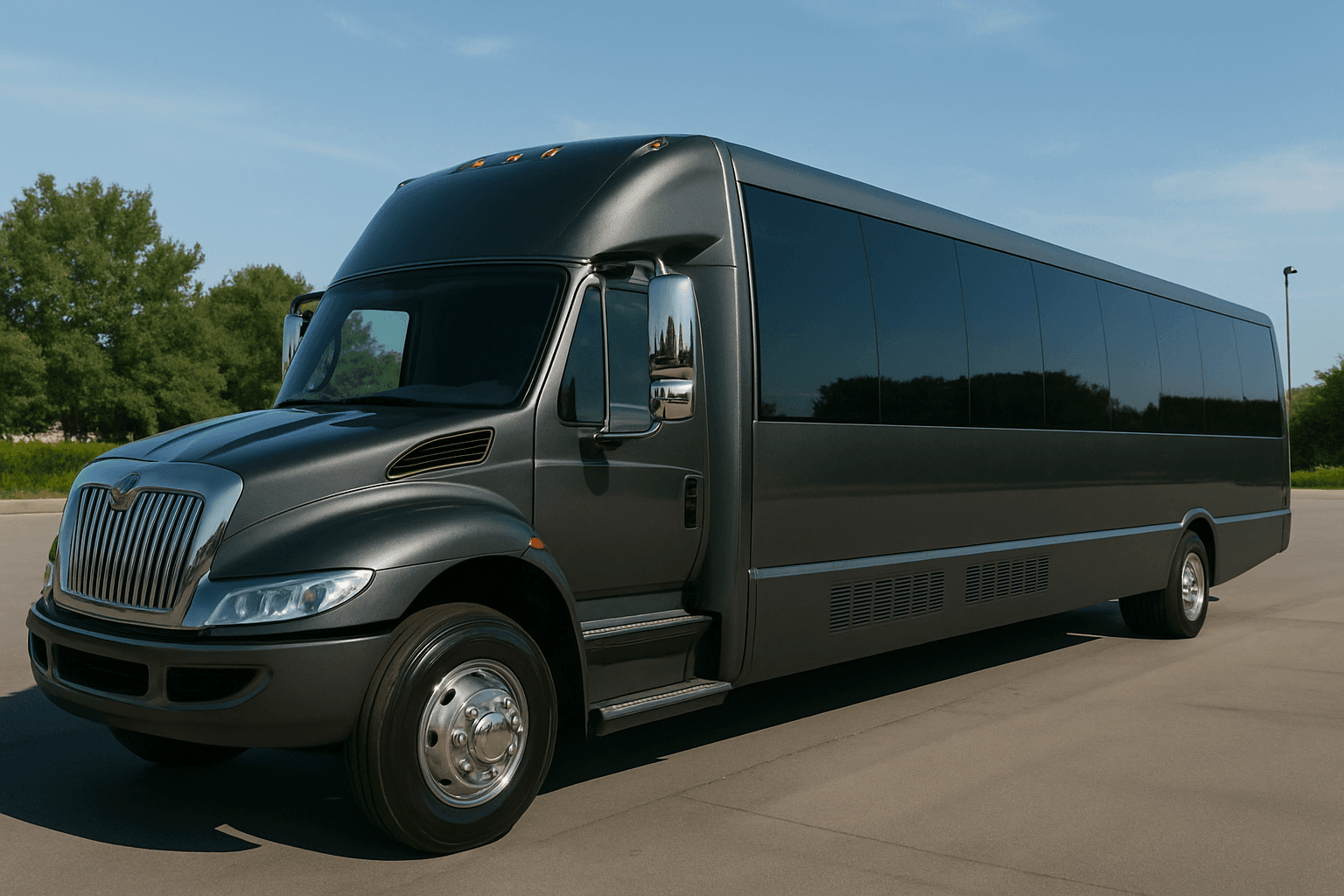
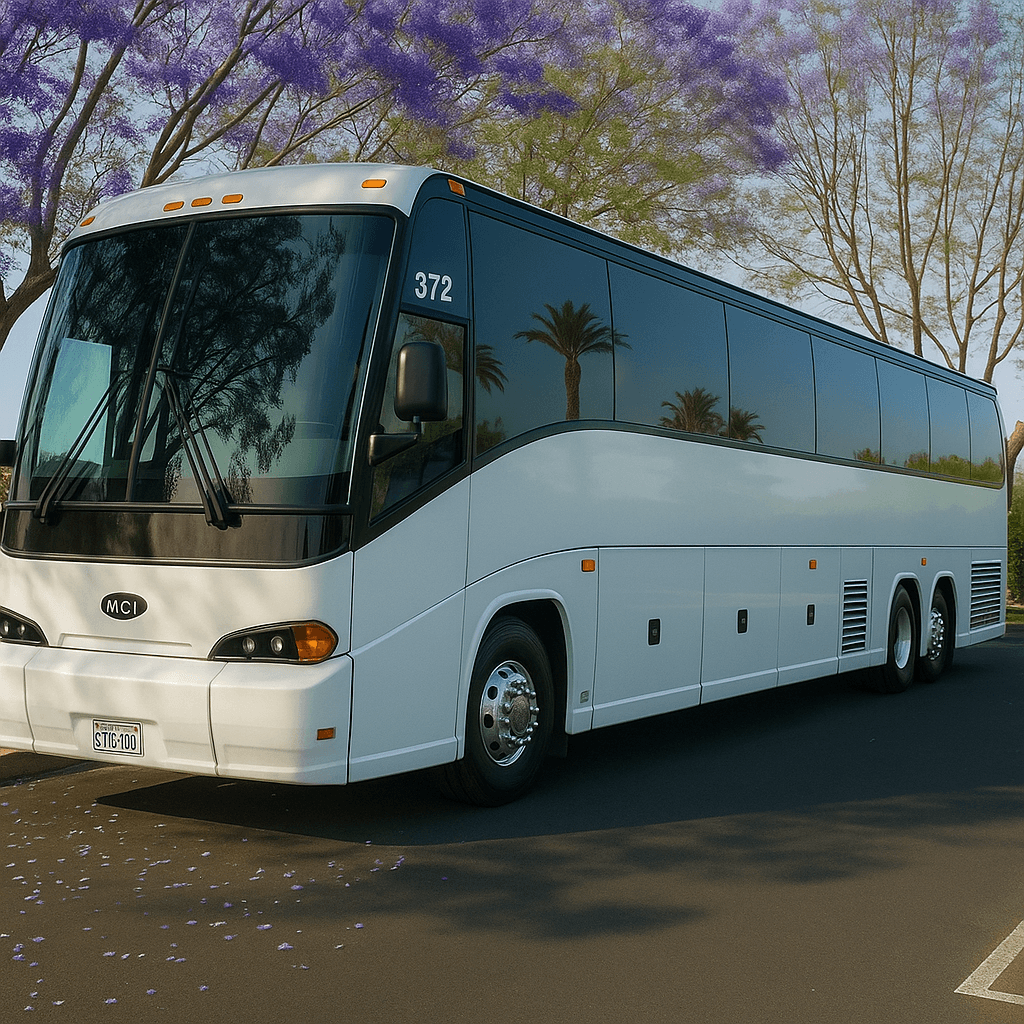
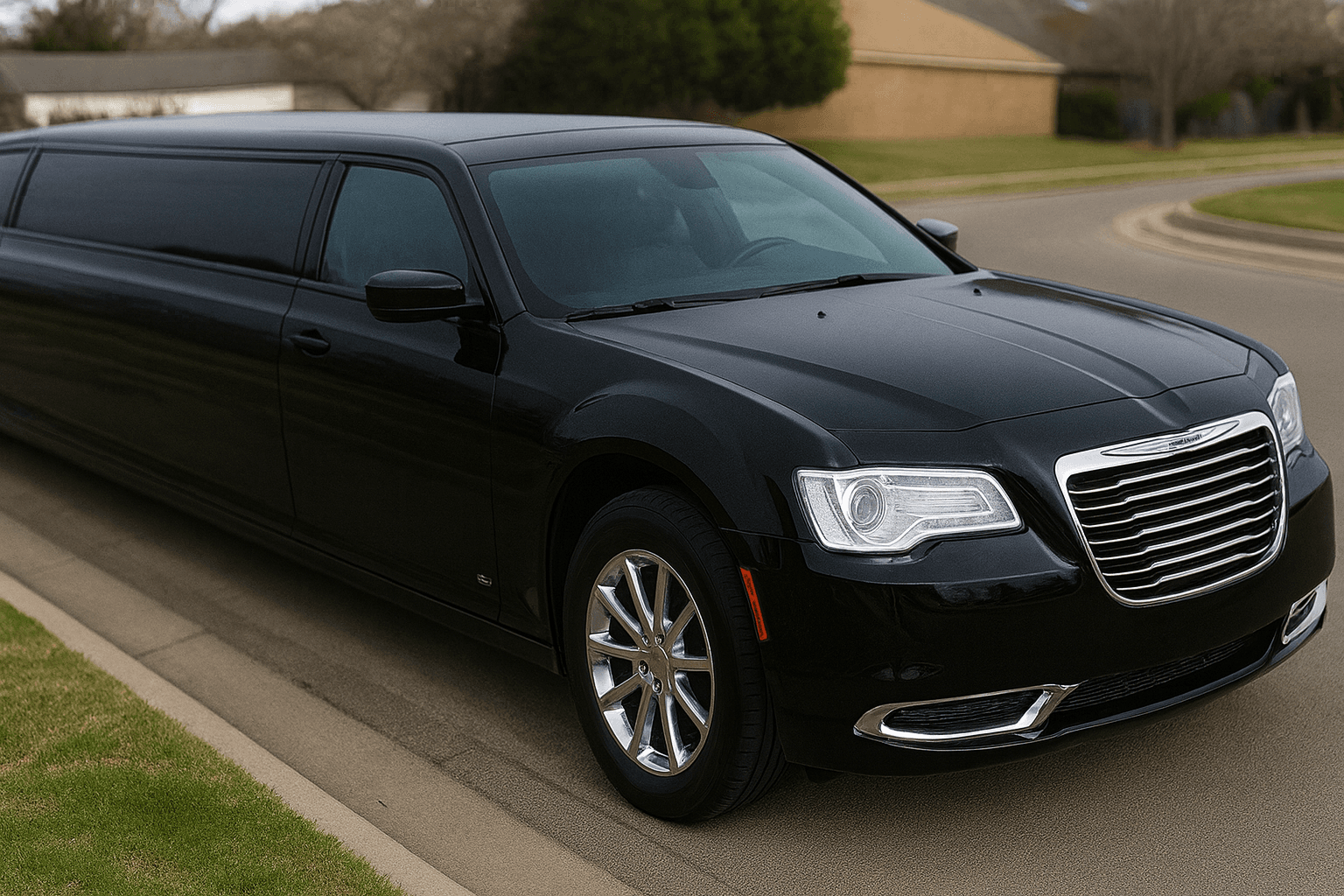
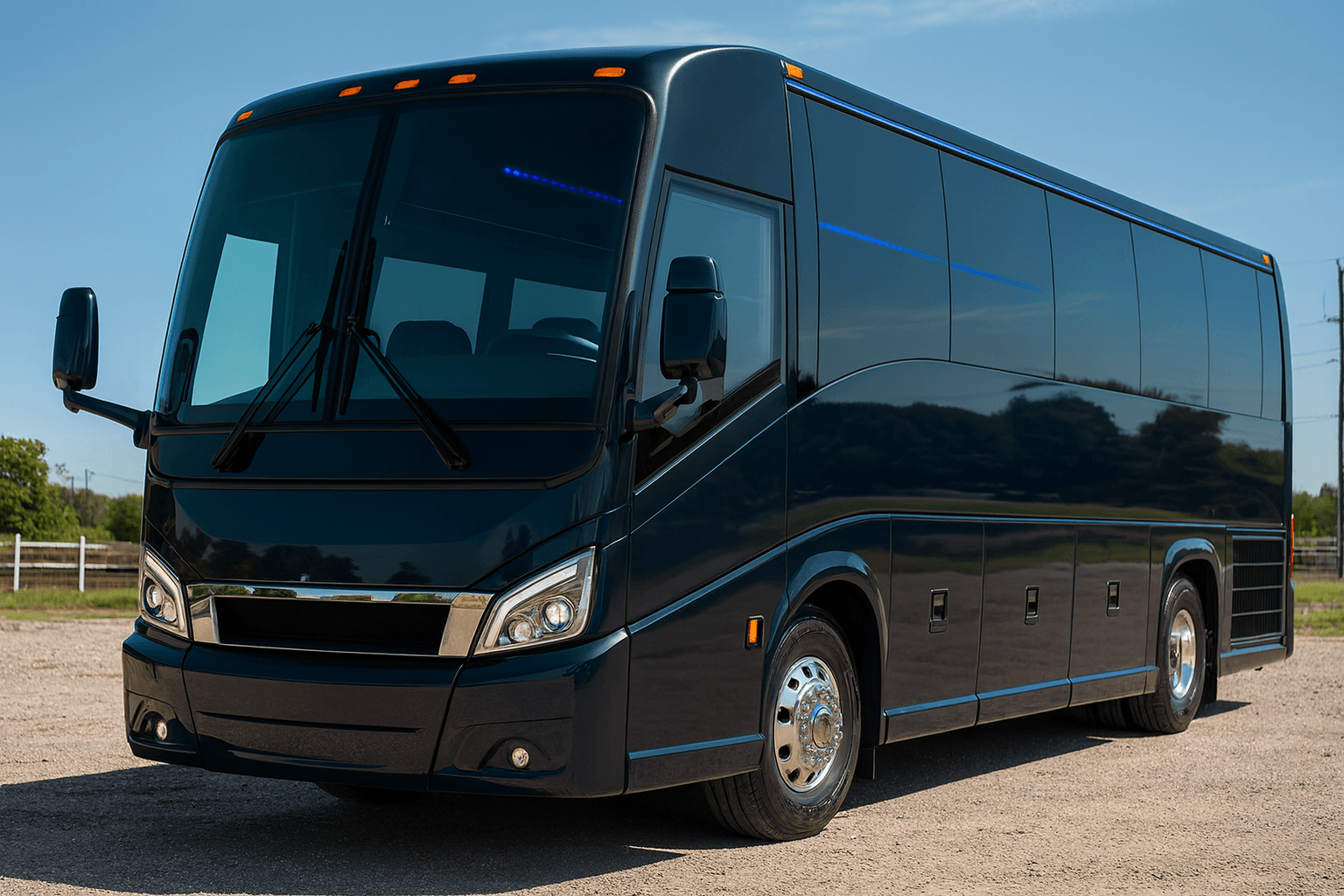
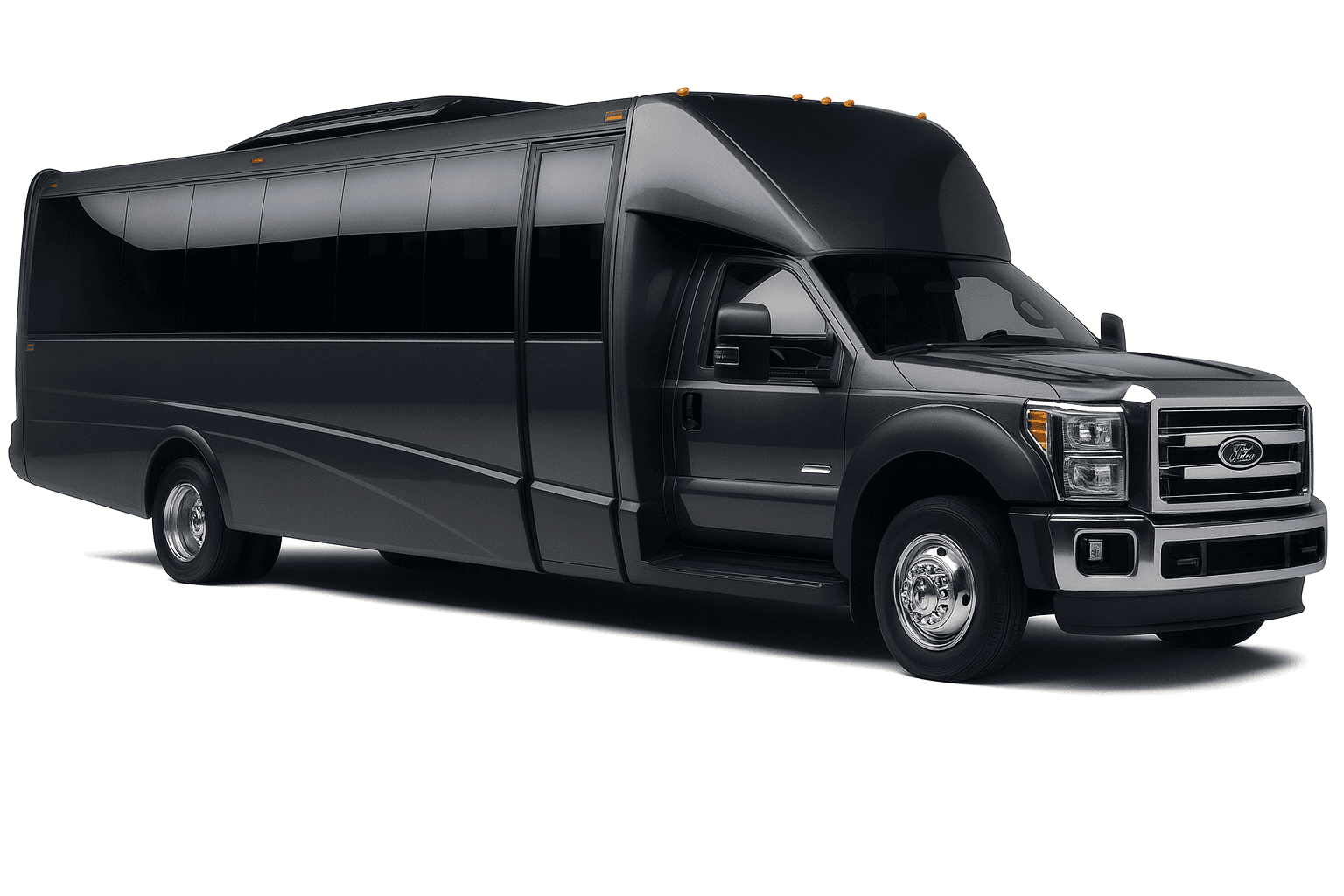
Game-day groups form around tickets: eight seats in one section, a suite, or three blocks bought by three friends who now need one ride. About 66% of sports and game-day inquiries in our wider data are for 11 to 30 riders, and roughly three-quarters are twenty or fewer. So a 20-passenger party bus covers most fan groups, a suite-size party fits a 30-passenger party bus, and an alumni club filling a section should price a 50-passenger coach bus, which brings luggage bays for coolers and chairs.
Two sizing notes specific to football. Coolers ride in the cabin on most party buses and each one eats roughly a seat, so eighteen of you with two coolers want something bigger than a 20. And jerseys over hoodies in December take real space that sundresses in September do not. If you are unsure, the Vehicle Size Matcher suggests a size from your headcount and gear.
The bus is priced as a vehicle, not per seat, which means a full bus is the cheap one per fan. The Cost Split Calculator gives you the per-person share to collect alongside ticket money, before anyone conveniently forgets.
Sports or game-day · 11-30 passengers
Network-wide inquiries · 936 of 1,427 records(DPR-254)
Sports or game-day · 1-20 passengers
Network-wide inquiries · 1,086 of 1,427 records(DPR-251)
Shares of past inquiries, not bookings, prices or availability. How we count these.
Getting out is where the day is won
Arriving is a trickle spread over three hours. Leaving is a flood in thirty minutes. This is the part organizers skip, and it is the part that decides whether your group remembers the game or the parking lot. You have three reasonable strategies.
Beat it. Leave with a few minutes on the clock if the result is settled. You will be rolling before the lots release. Purists will hate you, and it only works if the whole group agreed beforehand.
Wait it out. Stay in your seats, watch the post-game, walk slowly, board forty-five minutes after the end. Roads are clearing, your group is back together with the music on, and nobody is stressed. This is what we recommend most often, and it costs you a little more time on the booking.
Walk away from it. Head to Texas Live! or a nearby restaurant for an hour and have the bus collect you there once traffic thins. Ideal for afternoon games that end near dinner. Check hours, and make sure that stop is in your itinerary so the time is covered.
Whichever you pick, say so when you request the quote. A noon kickoff with a wait-it-out exit usually runs seven to eight hours door to door from Dallas, longer from Collin County. The Rental Hours Estimator totals it for your starting point.
Bags, drinks and the nights that are not football
A few rules that save an argument at the gate or at the bus door.
- The bag policy. NFL venues enforce clear-bag rules, and AT&T Stadium applies bag restrictions to most events. Check the current policy for yours. The bus advantage: backpacks, jackets and chargers stay locked on board and you carry only what is allowed in.
- Drinks on the bus. Riders 21 and over may bring beverages on most of our vehicles, subject to that vehicle's terms. Cans and plastic only, nothing leaves open, and never with minors in the group. Your driver does not drink, which is the entire point of hiring one.
- Pace the morning. Two and a half hours of pre-game plus three hours of football is a long day. Pack water and food, not just beer. The Ride Packing Checklist has a game-day version.
- It is not only Cowboys games. The stadium hosts college football, including the Cotton Bowl Classic, plus major concerts, rodeo and more. Same approach, with one wrinkle: concert crowds arrive later and all leave at once, so the wait-it-out exit matters even more. Our concert transportation page covers show nights.
Once you have your game picked, send us the date, kickoff time and meeting spot, and you will get vehicles and a day-length recommendation back.