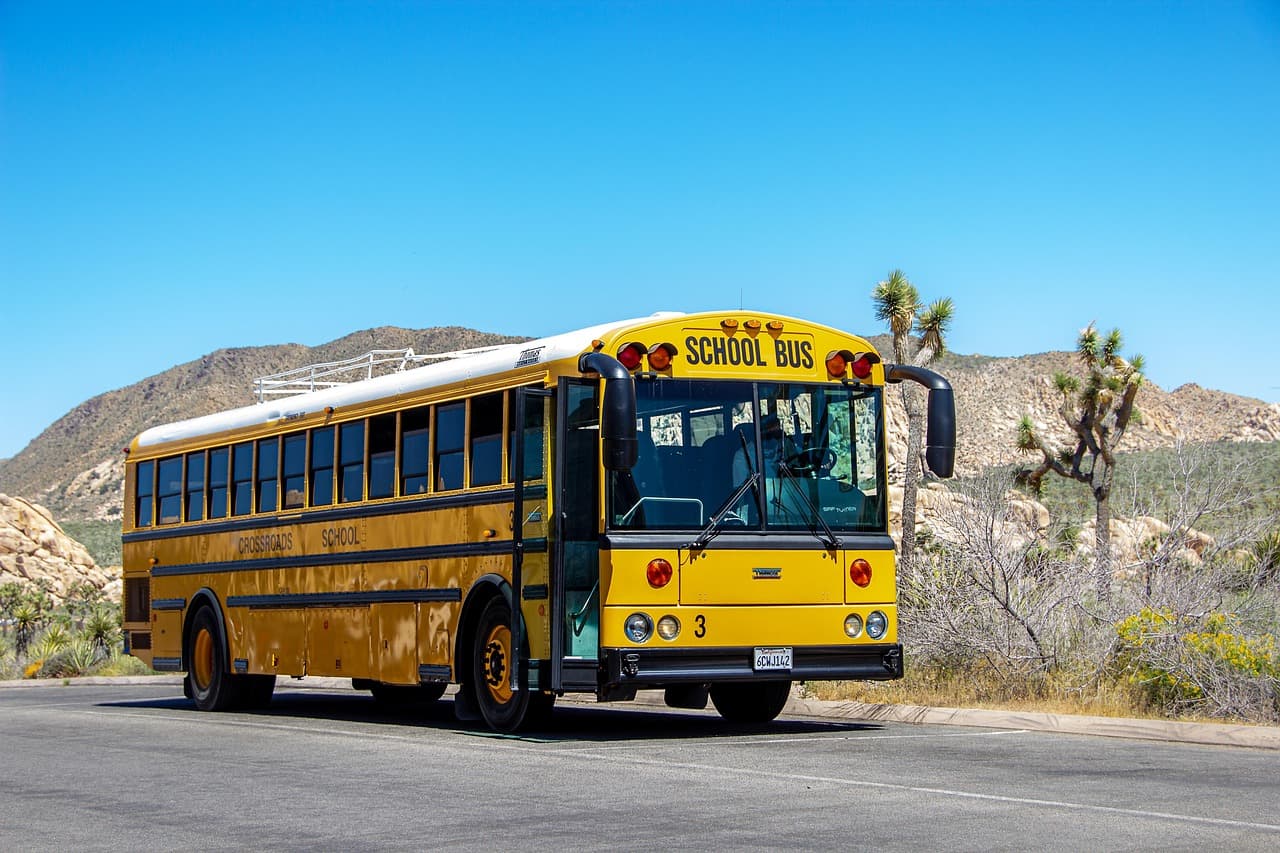
When the yellow buses cannot go
District buses are the default for good reason. They are already paid for and you know the process. Teachers and PTA volunteers usually start looking outside when one of these lands on the planning sheet:
- The routes have the buses. Morning and afternoon runs fence in your day. A trip that needs to roll at 7 a.m. or return at 5 p.m. collides with the route schedule immediately.
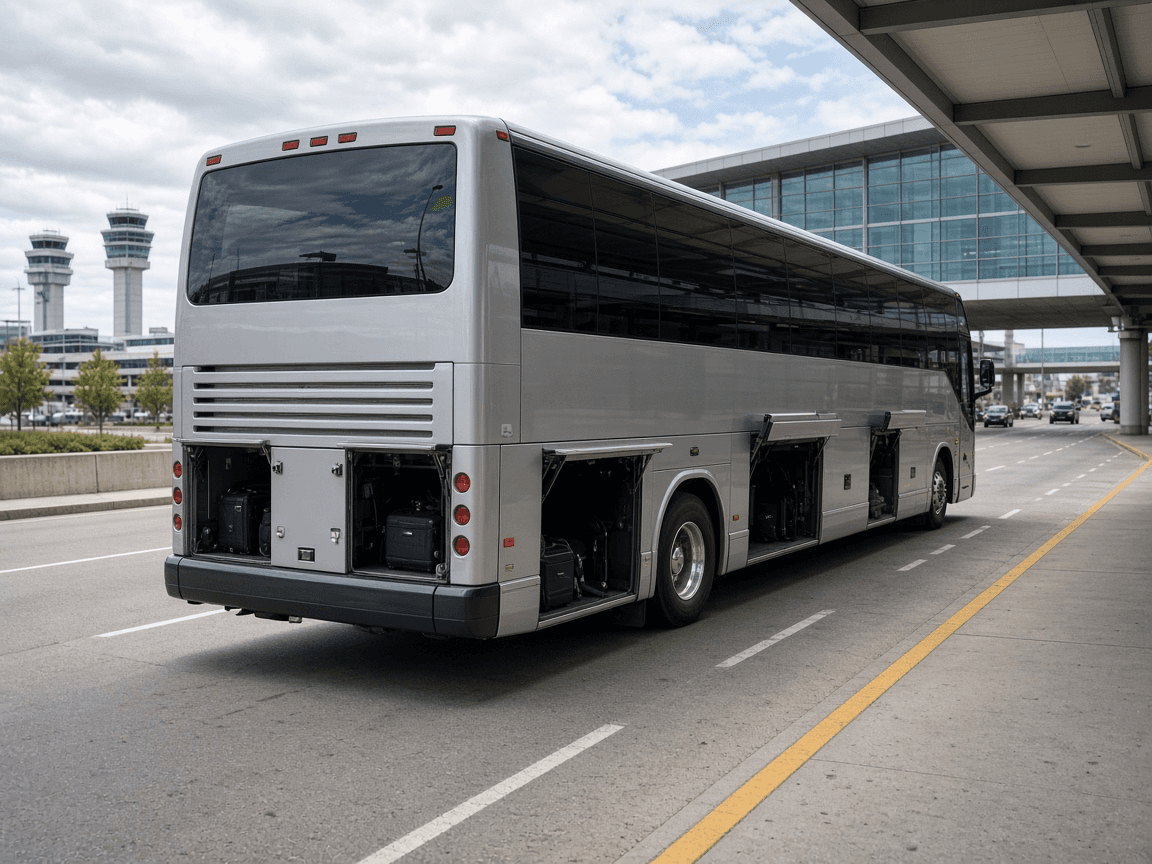
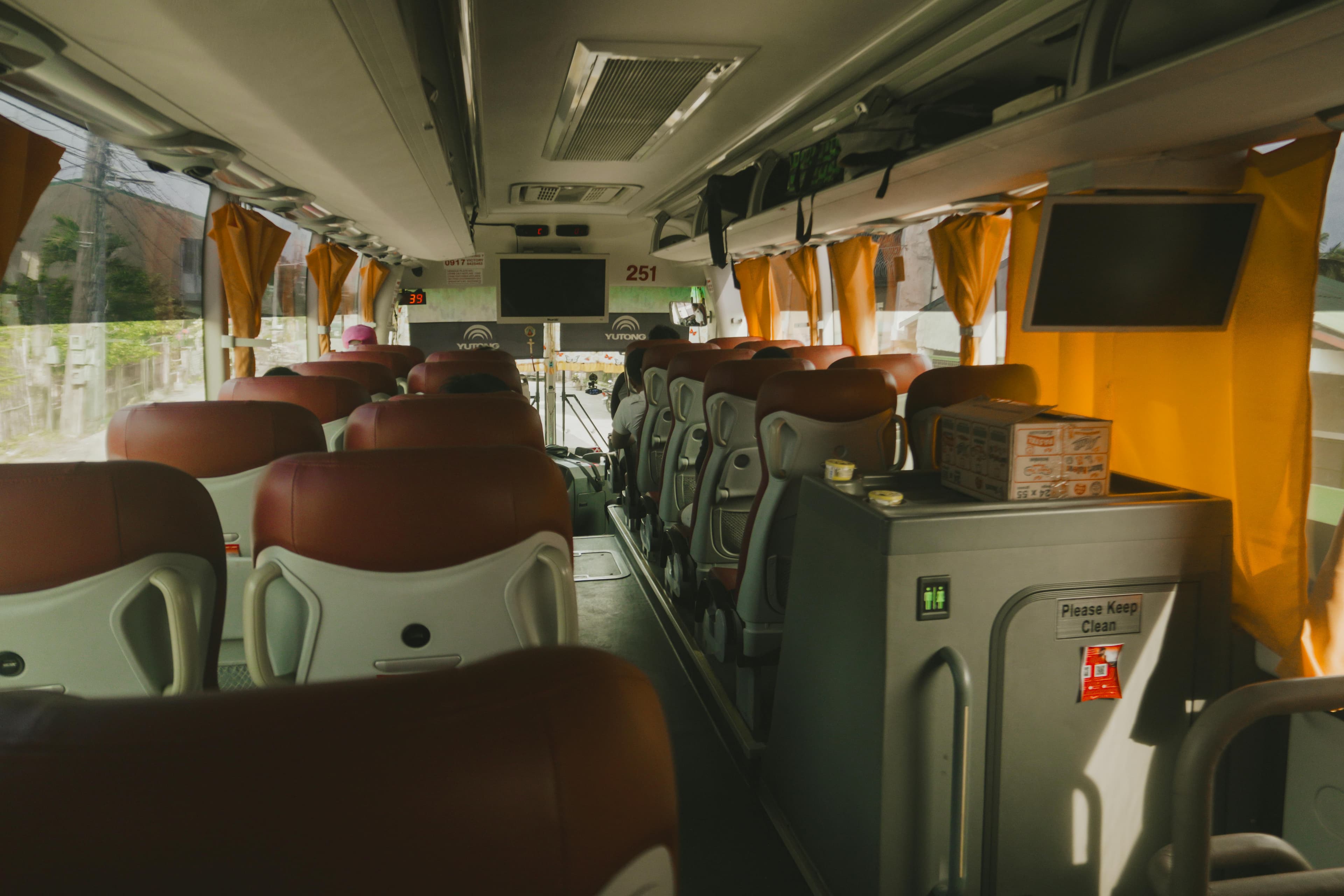
- The drive is long. An hour each way to Waco, Glen Rose or Austin is a different day in a coach with reclining seats, air conditioning that keeps up with a Texas May, and bays for the luggage.
- Your group is not a class. Robotics teams, UIL squads, band ensembles, and private or charter schools without a fleet of their own.
- Parents are paying. When a booster club or PTA funds the end-of-year trip, they usually want something comfortable to show for it.
One thing to be straight about: every district and campus sets its own rules for approving outside transportation. We cannot tell you what yours requires, and we never claim district approval. Ask your principal or transportation office what paperwork they want from a charter company, and we will supply what we can. Have that conversation before you request a quote, not after you have promised a date to thirty families.
Does the fifty-two include you?
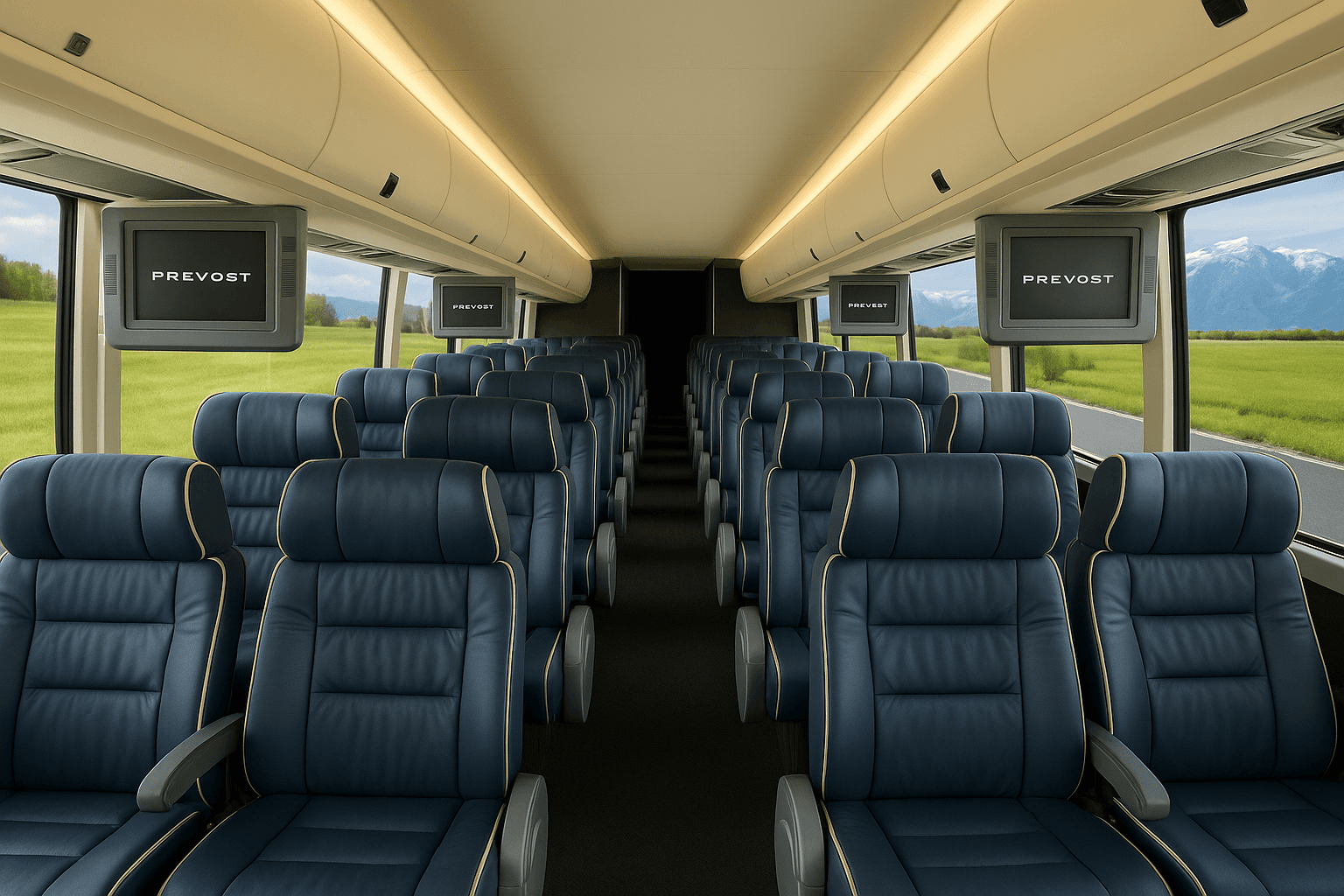
It does. That question arrives on roughly one call in seven, and teachers ask the sharpest version of it. Capacity means total riders. Students, teachers, aides and parent chaperones all count, and everyone sits in a seat of their own. Coach seats are not benches, so the three-across math from a yellow bus does not carry over.
Across our Texas inquiry data, only about 6% of groups fall between thirty-one and a hundred riders. School trips live almost entirely inside that thin slice, which is why the big coaches are the ones to ask about first and the ones that go first.
| Group | Example | Vehicle |
|---|---|---|
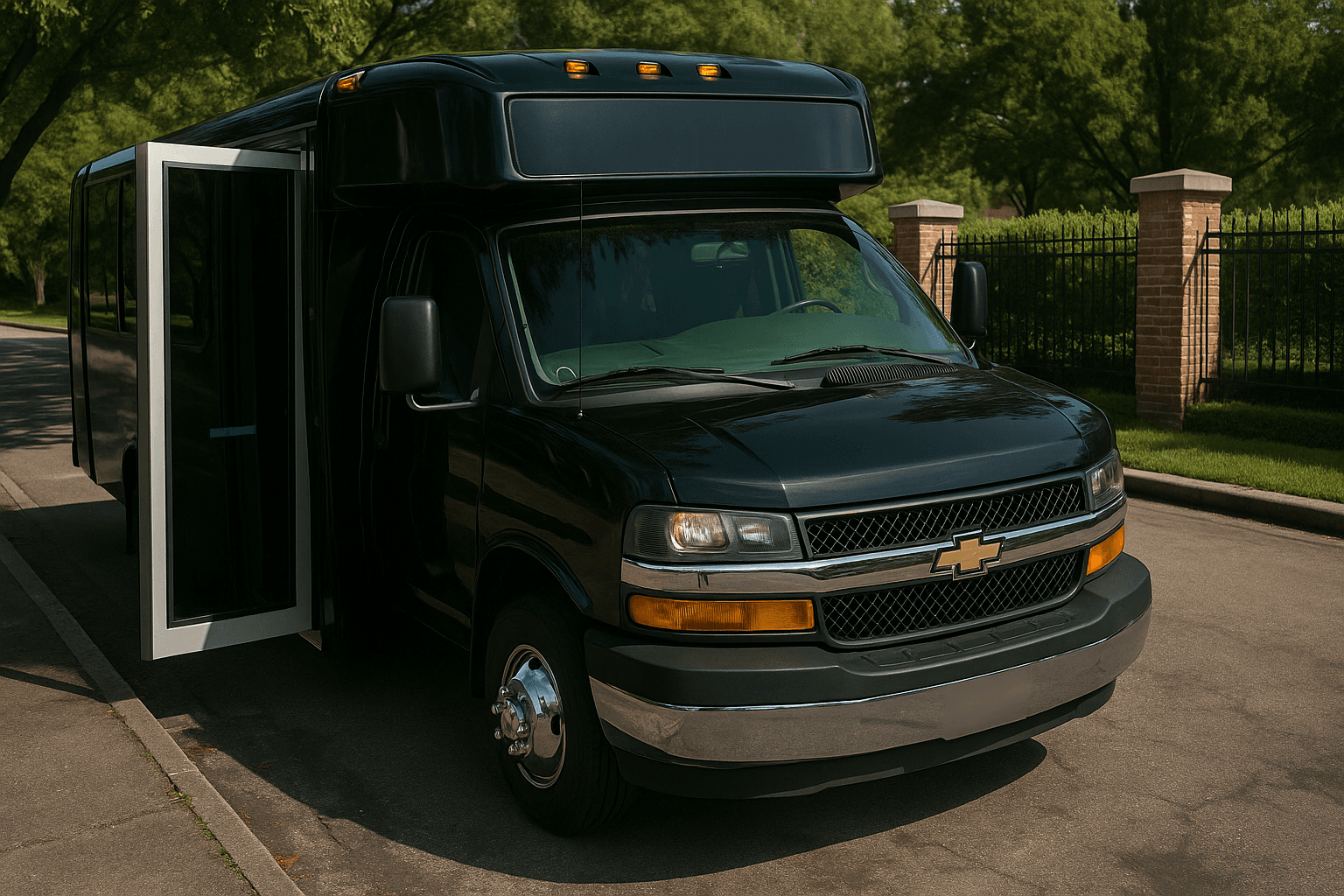
| Up to 18 riders | Academic team of 14 plus 2 coaches | 18-passenger mini coach |
| 19–28 riders | One class of 22 plus 4 adults | 28-passenger coach |
| 29–46 riders | Two small classes, or a club with chaperones | 46-passenger coach |
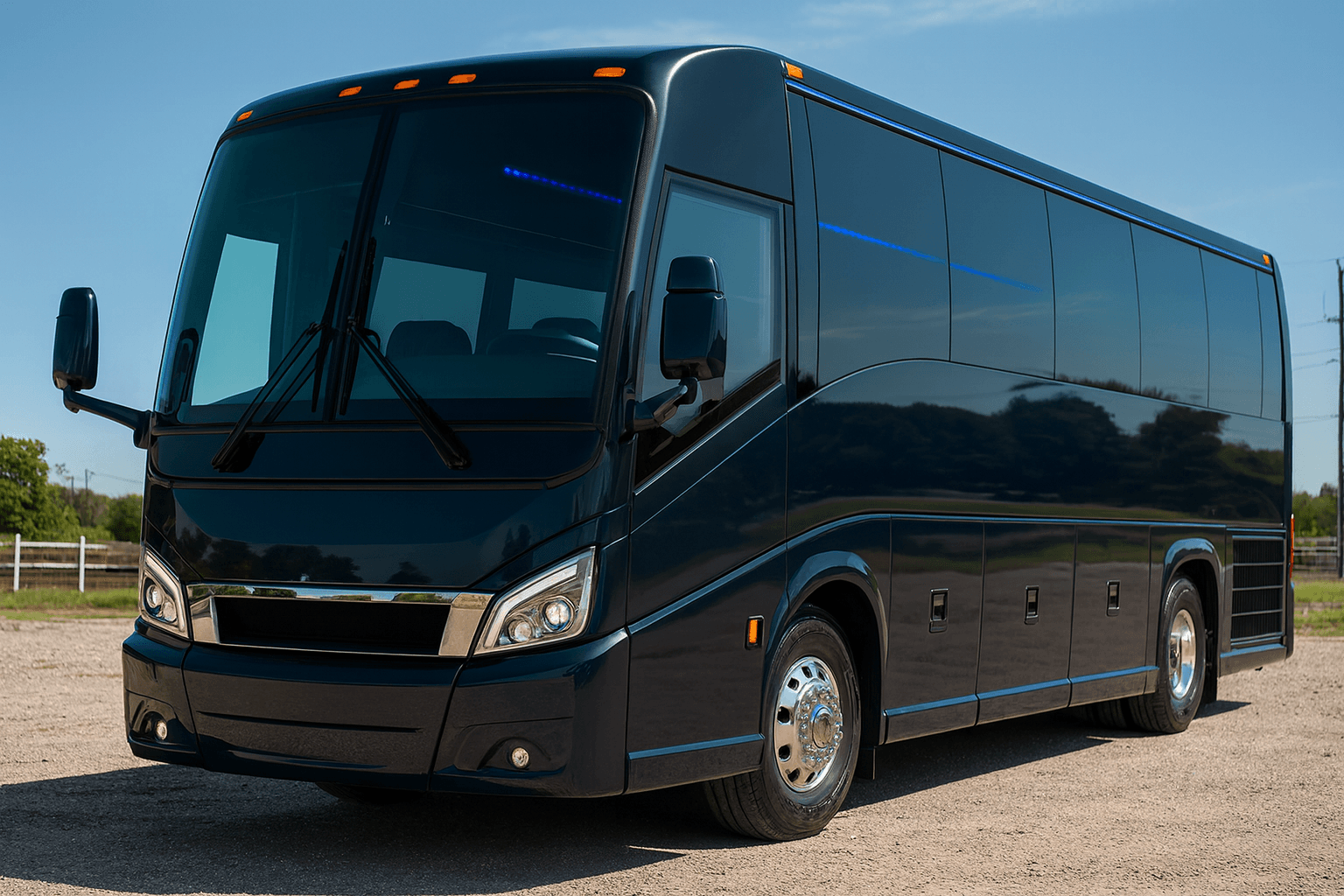
| 47–52 riders | Two classes of 22 plus 6 adults | 52-passenger coach |
| More than 52 | A full grade level | Two or more coaches travelling together |
Your campus sets the chaperone ratio. We just need the total. Put it into the Vehicle Size Matcher and aim for a seat or two spare, because a parent always signs up the night before.
31-100 passengers
Texas inquiries · 273 of 4,423 records(DPR-124)
Passenger capacity
Analyzed sales calls · 819 call records(CT-05)
Shares of past inquiries, not bookings, prices or availability. How we count these.
Everyone wants a bus in May
Field trips bunch into spring. Testing is done, the weather behaves, and you want a capstone for the year. So does every other teacher in the metroplex, plus the proms and the graduations.
Across our Texas inquiry data, about 28% of dated inquiries are for spring. On our own Dallas phones spring sits nearer a fifth, behind fall and winter. Either way, April and May weekdays are the crowded stretch.
The good news is that your trip runs on a weekday morning, which is the quietest part of the week for group vehicles. The pinch is the small number of full-size coaches in the region, not the day you picked.
Timing on your side matters too. Roughly half the inquiries we take arrive more than a month ahead, and a school trip should always sit in that earlier half, because permission slips, money collection and campus approval each eat weeks. A sequence that works:
- Eight to ten weeks out. Get the destination's available dates, then ask us for a quote on the same dates.
- Six weeks out. Secure campus approval and pay the deposit.
- Three weeks out. Permission slips home, with a firm return date on them.
- One week out. Send us your final rider count and the lead teacher's cell number.
The Booking Window Planner will give you an ask-by date for your month, which is a useful thing to paste into an email to your principal.
Spring
Texas inquiries · 1,531 of 5,385 records(DPR-161)
Spring
Dallas Party Ride inquiries · 64 of 329 records(DPR-019)
More than 30 days
Texas inquiries · 2,489 of 5,361 records(DPR-118)
Shares of past inquiries, not bookings, prices or availability. How we count these.
Try it: Event Timeline Builder
Work backward from your arrival time
Your result
First pickup 4:38 PM
- 4:23 PMVehicle staged at first pickup
- 4:38 PMPickup 1 — everyone curbside
- 5:00 PMPickup 2 — everyone curbside
- 5:10 PMPhoto stop begins
- 5:40 PMDepart for venue
- 6:15 PMVehicle arrives at venue
- 6:30 PMEvent start / hard arrival time
Want the full walkthrough? Open the Event Timeline Builder page.
Getting a coach into a museum driveway

You know the destinations. What nobody tells you is how a forty-foot coach gets in and out of them.
- Perot Museum of Nature and Science. Downtown-adjacent with a defined group arrival area. Book your entry time first and build the bus around it.
- Dallas Zoo. Straightforward from I-35E south of downtown. Mornings are cooler and the animals are awake, so an early departure earns its keep.
- Dallas World Aquarium and The Sixth Floor Museum. Both sit in the West End, where the streets are tight. Your coach drops and stages elsewhere, so set a precise pickup time and corner before you go in.
- Frontiers of Flight Museum. Beside Love Field, with parking that large vehicles can actually use.
- Dallas Arboretum and Botanical Garden. On White Rock Lake, jammed during spring festival weeks. Ask them about the school group entrance.
- Fort Worth Cultural District and Stockyards. The Museum of Science and History plus the Stockyards makes a full day from the Dallas side. Our Fort Worth page has the drive-time context.
- George W. Bush Presidential Center. On the SMU campus, where bus access follows the center's own group visit instructions.
Each of these publishes group arrival instructions. Forward them with your quote request and your driver will have read them before the morning.
Build the day backward from the bell
Minimum rental hours come up in about a fifth of the calls we study, and school trips almost never bump into them. A field trip is a five to seven hour day. Your problem is the opposite one: both ends are nailed down by the school schedule and there is no slack anywhere in the middle.
- 2:45 p.m. Back on campus, twenty to thirty minutes before dismissal, so car-line and bus-line students land where they belong.
- 1:45 p.m. Wheels rolling from the venue. Give a cross-town return a full hour in early afternoon traffic.
- 1:15 p.m. Start gathering. Fifty students do not board in five minutes. Count heads twice.
- 11:30 a.m. Sack lunches at the venue's picnic area, not on the coach.
- 9:30 a.m. Arrive for your entry time.
- 8:30 a.m. Leave campus, after attendance and a restroom stop.
- 8:10 a.m. Coach stages in the bus lane once morning drop-off has cleared.
Lay your own version out in the Event Timeline Builder, then check the total against the Rental Hours Estimator. And tell us where a coach can sit on your campus. Some elementary loops cannot turn a full-size vehicle, and your driver needs to know that before 8:10, not at 8:10.
Minimum rental time
Sales call intelligence · 956 of 5,399 records(DPR-294)
Shares of past inquiries, not bookings, prices or availability. How we count these.
What we handle and what your chaperones handle
None of this will surprise a teacher, but parents ask, so here it is in writing.
- An adult signs, adults supervise. Your school, PTA or a responsible adult signs the agreement, and your staff and chaperones supervise the students all day. The driver drives. He is not a chaperone and will not be counted as one.
- Nothing to worry about on board. No alcohol, tobacco or vaping, for students or adults. A trip with minors is a dry trip, full stop.
- One seat per rider, seated while moving. Nobody stands in the aisle, and we never load beyond the posted capacity.
- Roster in hand. Bring a printed list and count against it at every boarding. Keep emergency contacts and medical forms with the lead teacher, not in a backpack in the luggage bay.
- Food by agreement. Water is always fine. Ask before anything else comes aboard, and pack a trash bag while you are at it.
- Coaches only. School trips get coaches and mini coaches. We do not send nightlife vehicles to a campus.
If a student uses a wheelchair or has mobility needs, tell us at the very first contact. Accessible vehicles are arranged ahead of time and are not available in every size, and that is a conversation to have in February rather than the week of the trip.
Paying from an activity fund or a PTA account
Every trip is quoted on its own details, so there is no rate card to print for your bookkeeper. Your quote shows the vehicle, the hours and one total. What moves that total is the coach size, the length of the day, the distance, and whether tolls and gratuity are inside the number. Ask for an all-in figure so the amount you tell parents is the amount they pay.
Payment usually comes from a campus activity fund, a PTA or booster account, or student fees. If your bookkeeper needs a W-9, a particular invoice format or a purchase order number on the paperwork, say so at the quote stage. A deposit holds the date, and the balance is due before the trip.
When families are paying, divide the total by a conservative number of students rather than by every seat. The Cost Split Calculator does that and lets you test what happens when five students cannot go. For older students the same approach works for graduation trip transportation, and non-school organizers may want our youth group transportation page. Once your dates are set, send us the trip details.