Race morning is a logistics problem first
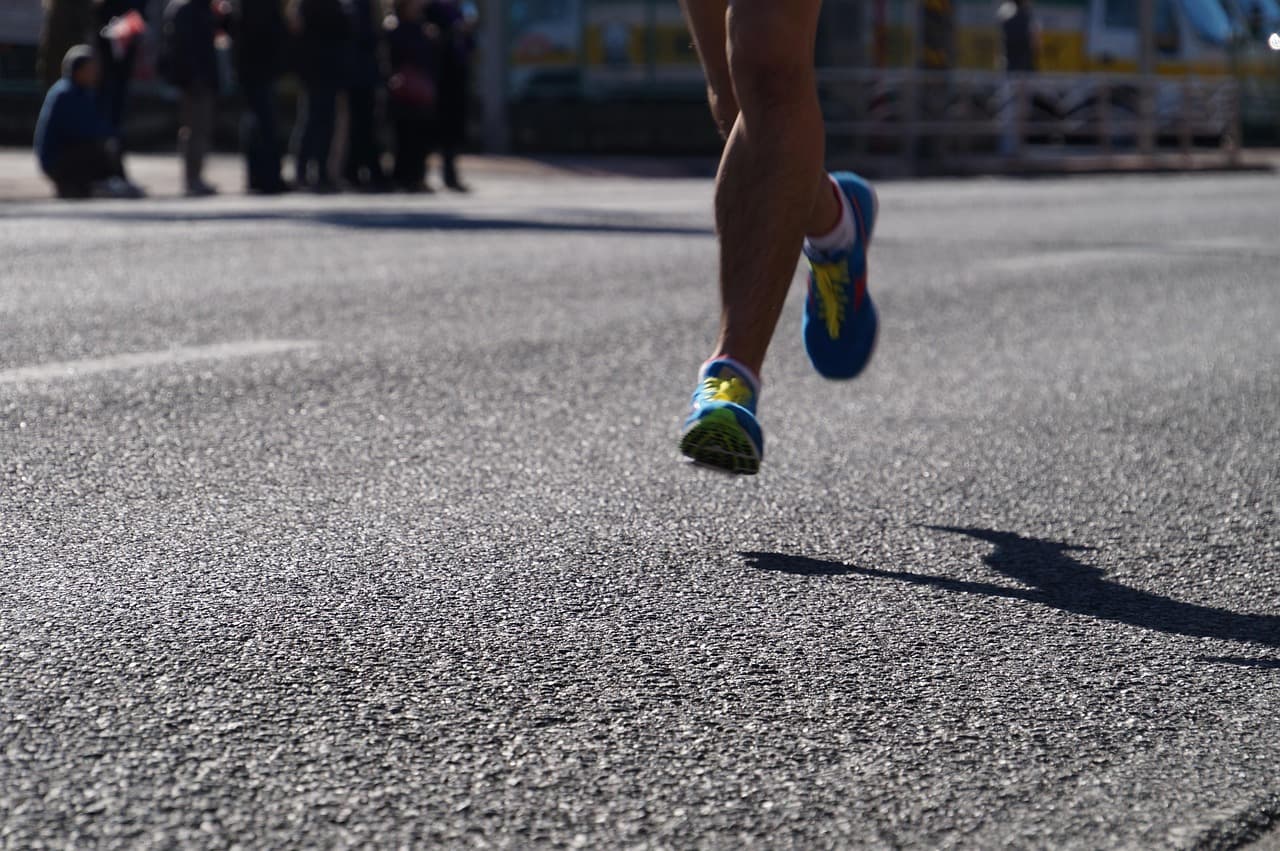
Ask a club captain what worries them the week of a big race and it is never the miles. It is getting 30 people to a start corral, in the dark, through a downtown where half the streets are barricaded, with time left for the portable toilet line. You trained for four months and then lost your warm-up to a parking garage queue.
Driving separately creates a second problem at the other end. Point-to-point courses finish somewhere other than where they started. Even on a loop, your car is often a mile from the finish, which is a long way on legs that just covered 26.2. And nobody who is cramping, dehydrated and wrapped in a foil blanket should be merging onto Central Expressway.
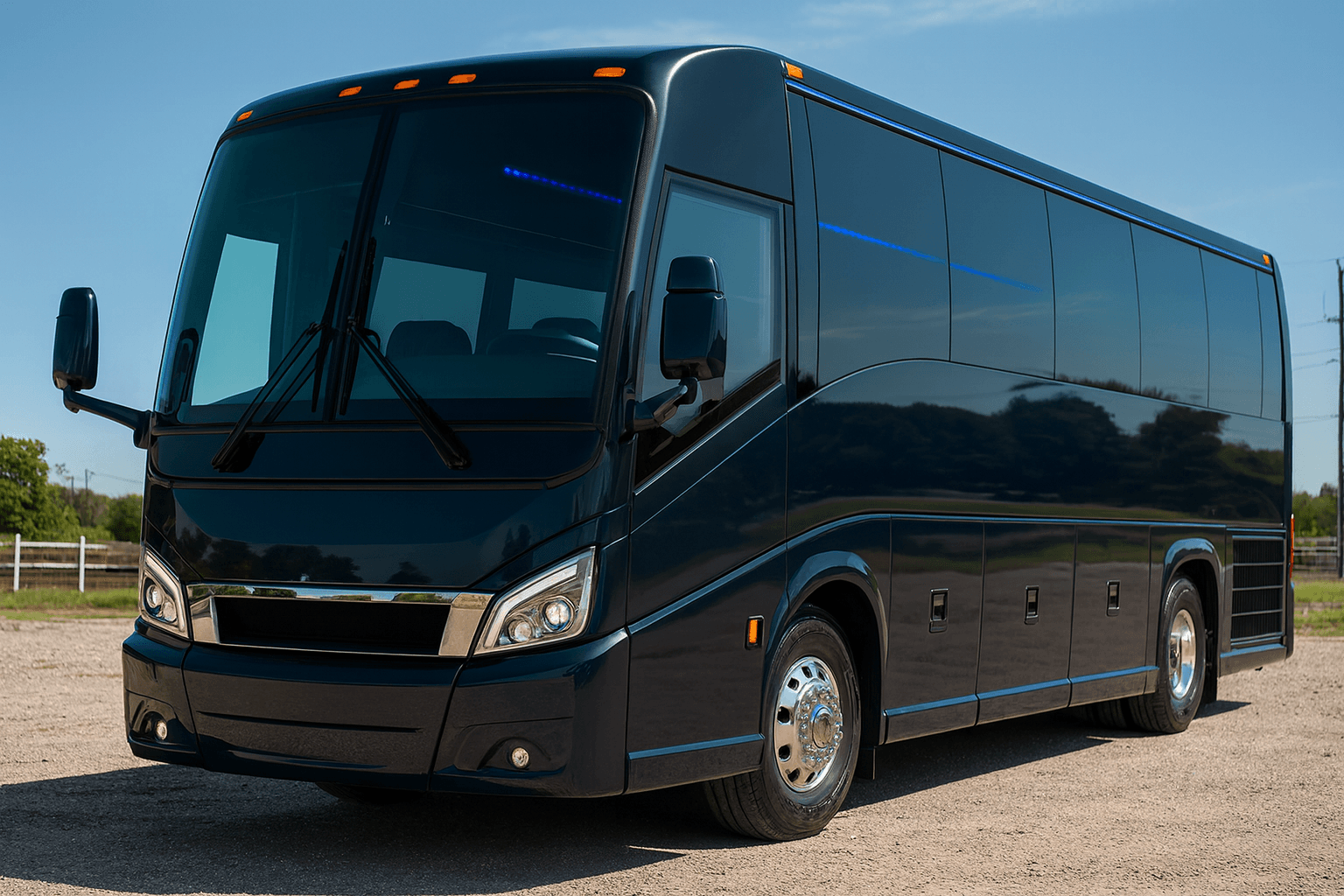
One bus fixes both ends. One pickup, one drop, one vehicle holding everybody's gear and waiting after the finish. It works for the BMW Dallas Marathon weekend in December, the Cowtown in Fort Worth in late winter, the Turkey Trot on Thanksgiving morning, and the dozens of charity 5Ks and 10Ks around White Rock Lake, Klyde Warren Park and suburban town squares the rest of the year. Dates, start areas and courses change, so always work from this year's official race guide.
The closure map beats your navigation app
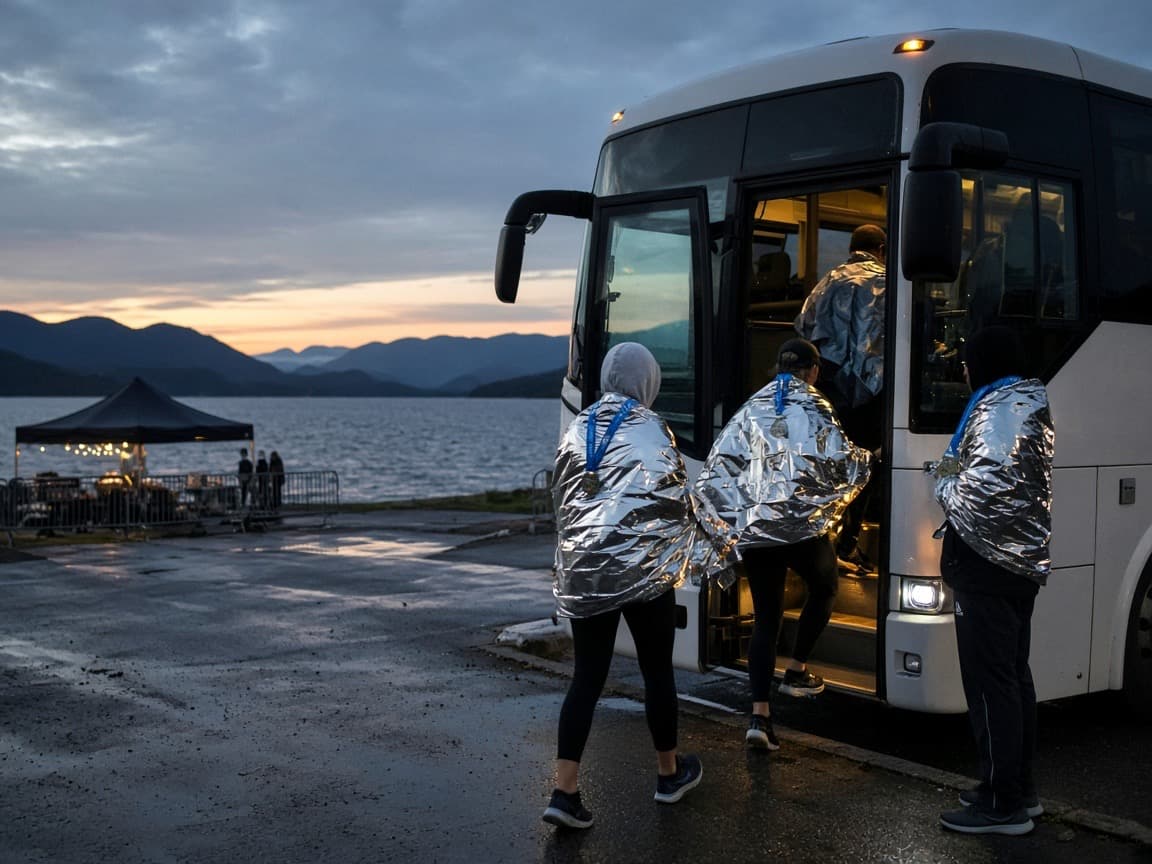
On a Saturday night the route is obvious and nobody asks about it. On race morning the route is the entire job. Major races publish a closure schedule, street by street with times, a week or two out. That document decides where your bus can be and when, and it is the first thing we want from you.
How we build a race morning:
- Work backward from the corral. Most runners want 75 to 90 minutes at the start area for bag check, toilets and a warm-up. On an early start that means arriving around sunrise or before it.
- Set the pickup from that arrival. A club boarding in Plano or Frisco for a downtown start is rolling well before 6 a.m. Traffic is nothing at that hour. The closures are what cost you time.
- Drop outside the closure box. Races often name a bus or rideshare zone. If yours does not, we pick a legal curb a few blocks out, on the side you approach from, so the bus is not trapped when the course goes live.
- One pickup beats five. Meet at a single well-lit lot: your running store, your gym, a church. Door-to-door stops before dawn add up fast, and one late runner holds thirty people.
- Give the driver's number to two people. Your captain and one backup. Not the group chat.
The Event Timeline Builder lets you lay this out backward from the gun and send it with your quote request. Do that and the rest of the morning is just running.
Pickup and route planning
Analyzed sales calls · 454 call records(CT-06)
Shares of past inquiries, not bookings, prices or availability. How we count these.
Vehicles for clubs, charity teams and office squads
Race groups run bigger than our typical caller. Across our North Texas inquiry data, only about 7% of requests are for 31 to 100 riders, and that is exactly where running clubs, charity teams and corporate wellness squads sit. You are shopping at the uncommon end of the fleet, so give yourself more lead time than a group of twelve would.
| Group | Vehicle | Why it suits race day |
|---|---|---|
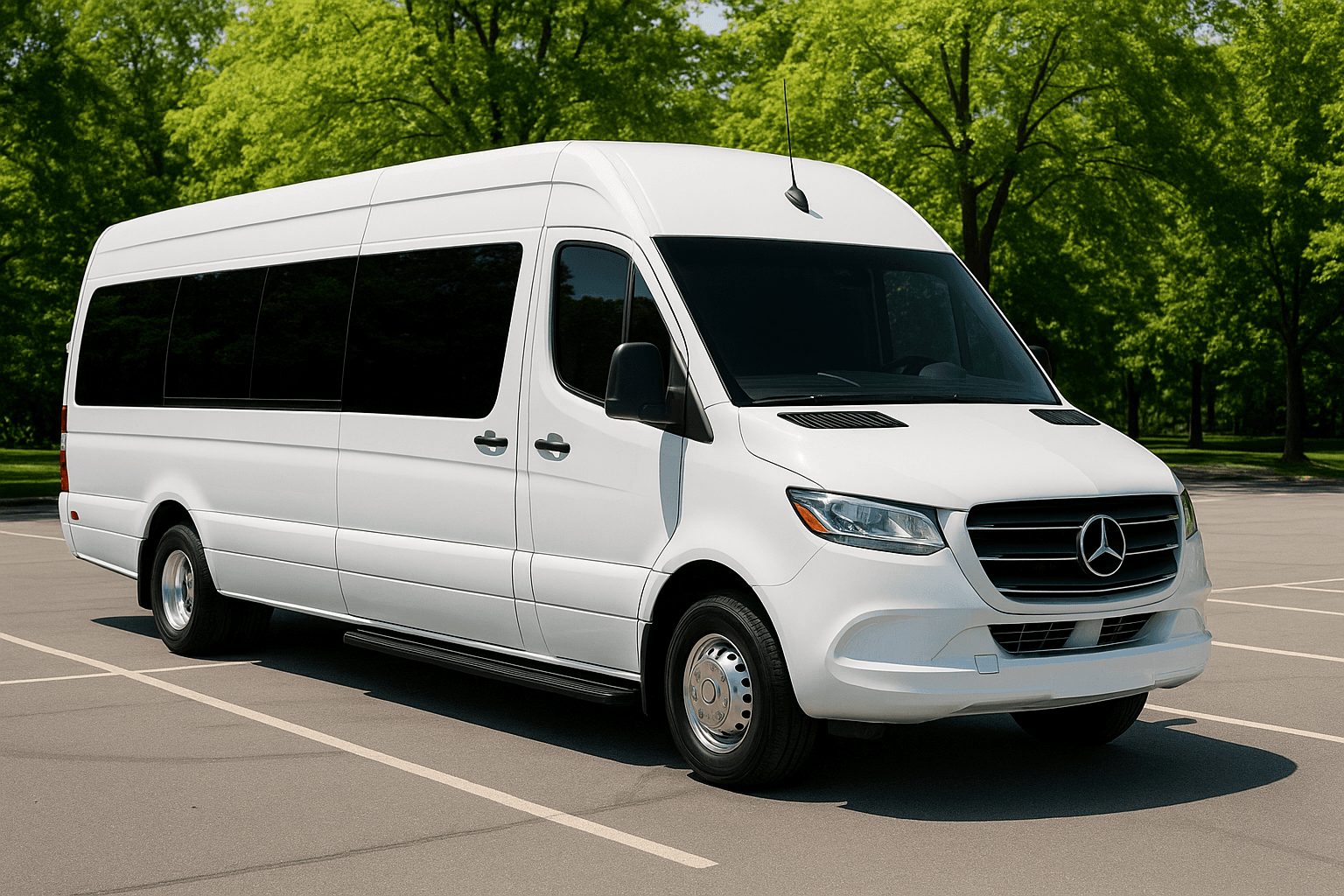
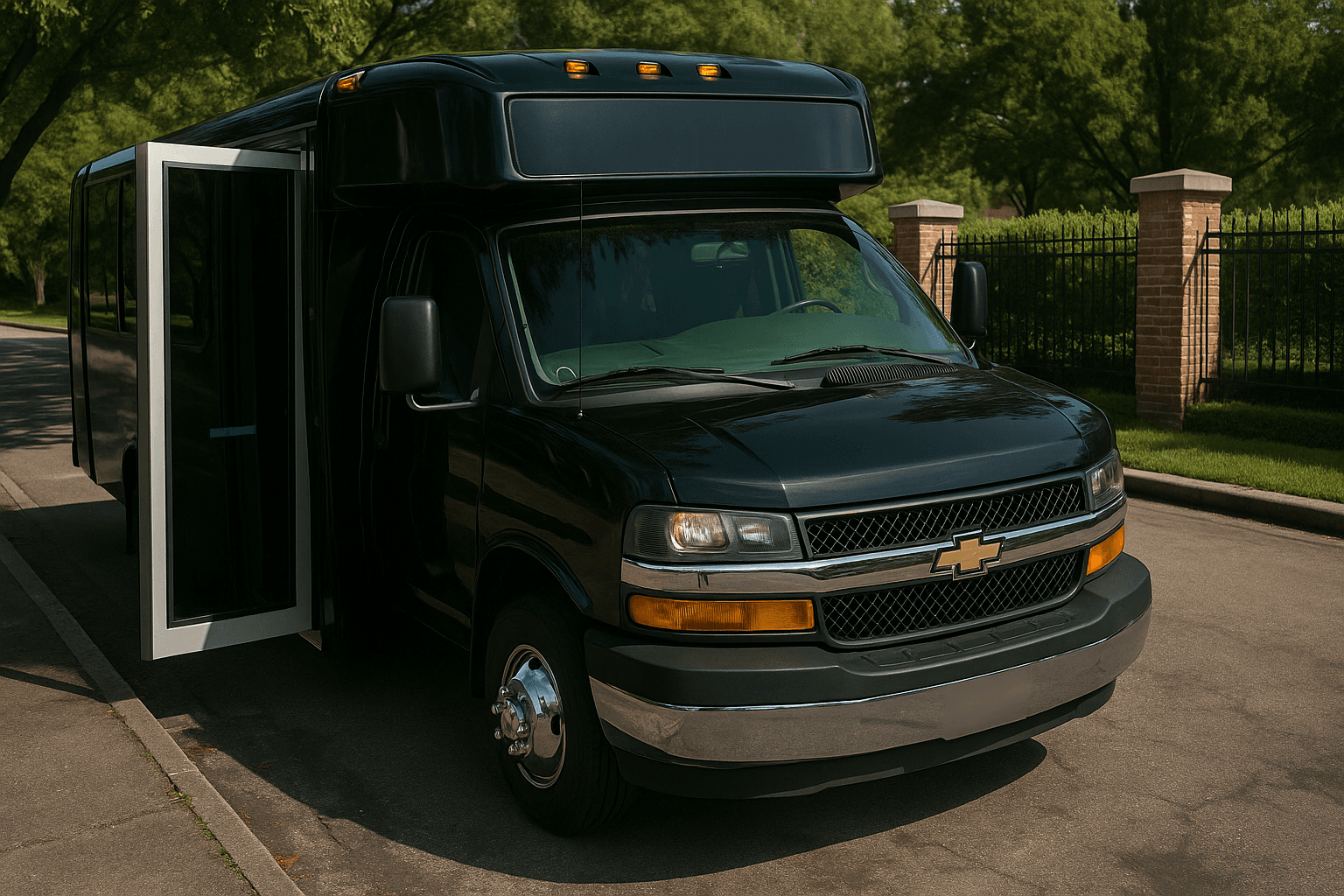
| Relay team or training partners, up to 12 | 14-passenger party bus | Small enough to drop close and reposition fast. Bench seating means you can stretch out afterward. |
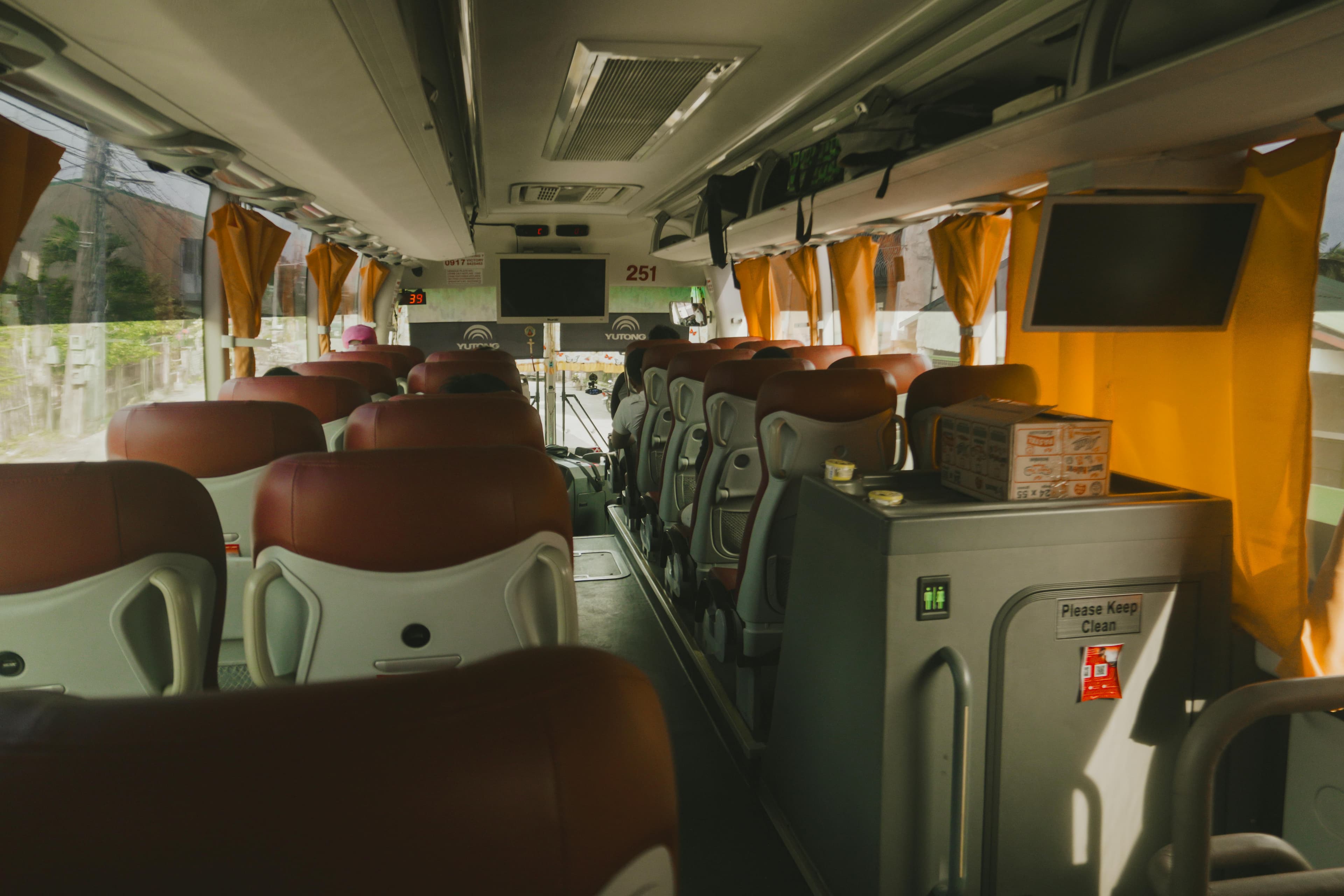
| Pace group or office team, 15–25 | 28-passenger coach bus | Forward-facing seats, overhead racks for gear bags, and a quiet cabin for pre-race nerves. |
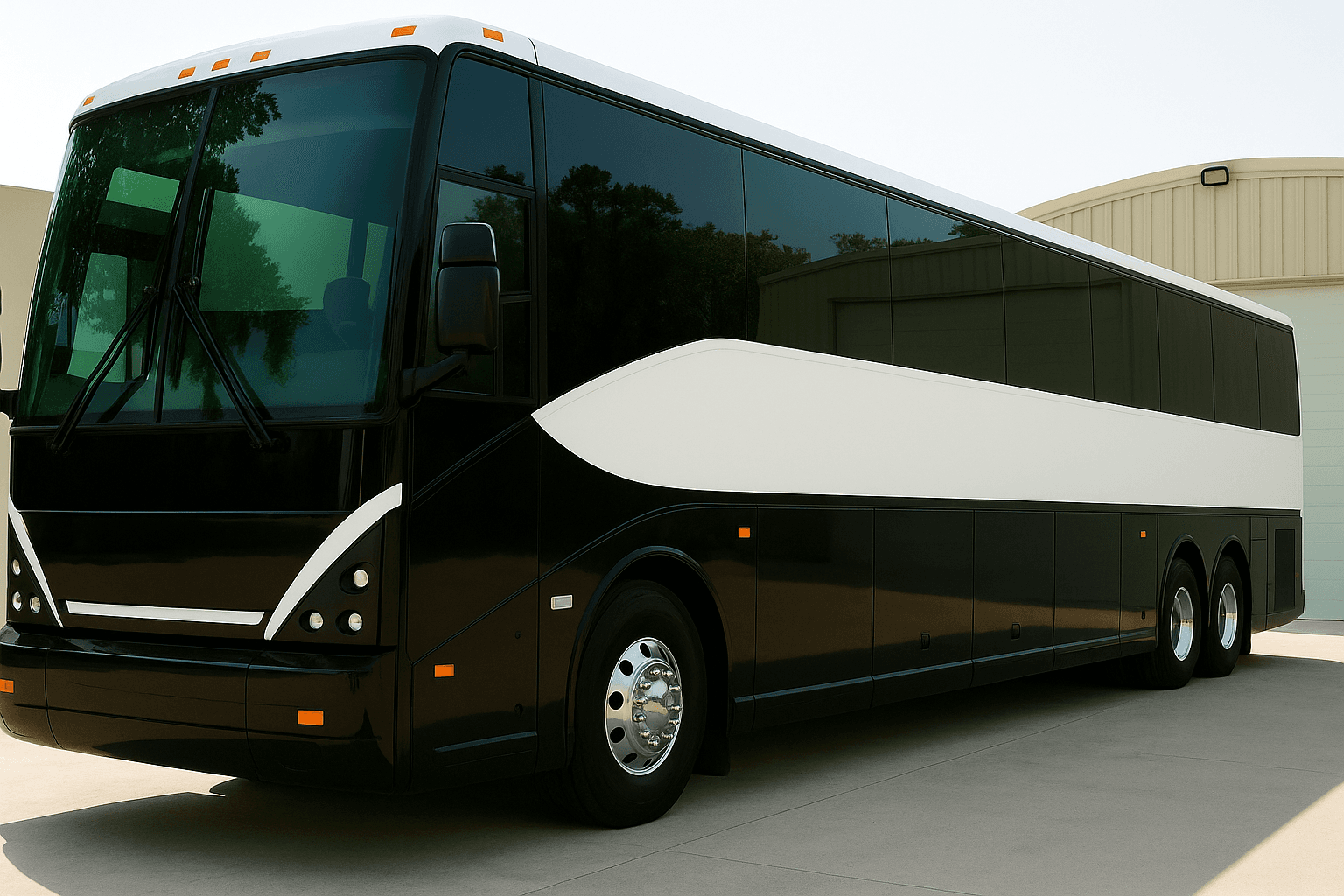
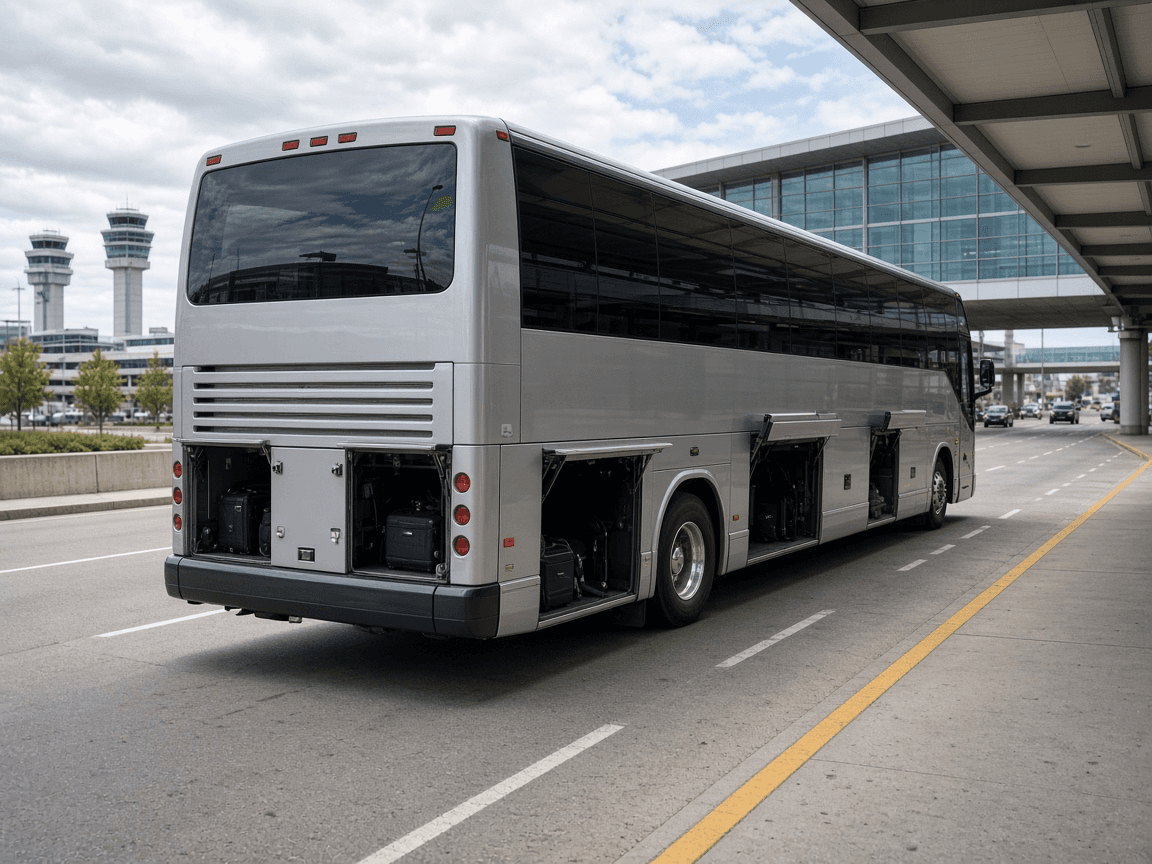
| Running club or charity team, 30–45 | 48-passenger coach bus | Under-floor bays swallow dry bags, foam rollers and the team tent. |
| Large fundraising teams, 50+ | 52-passenger coach bus, or two vehicles | Two buses let the half-marathoners head home while the marathoners are still out on the course. |
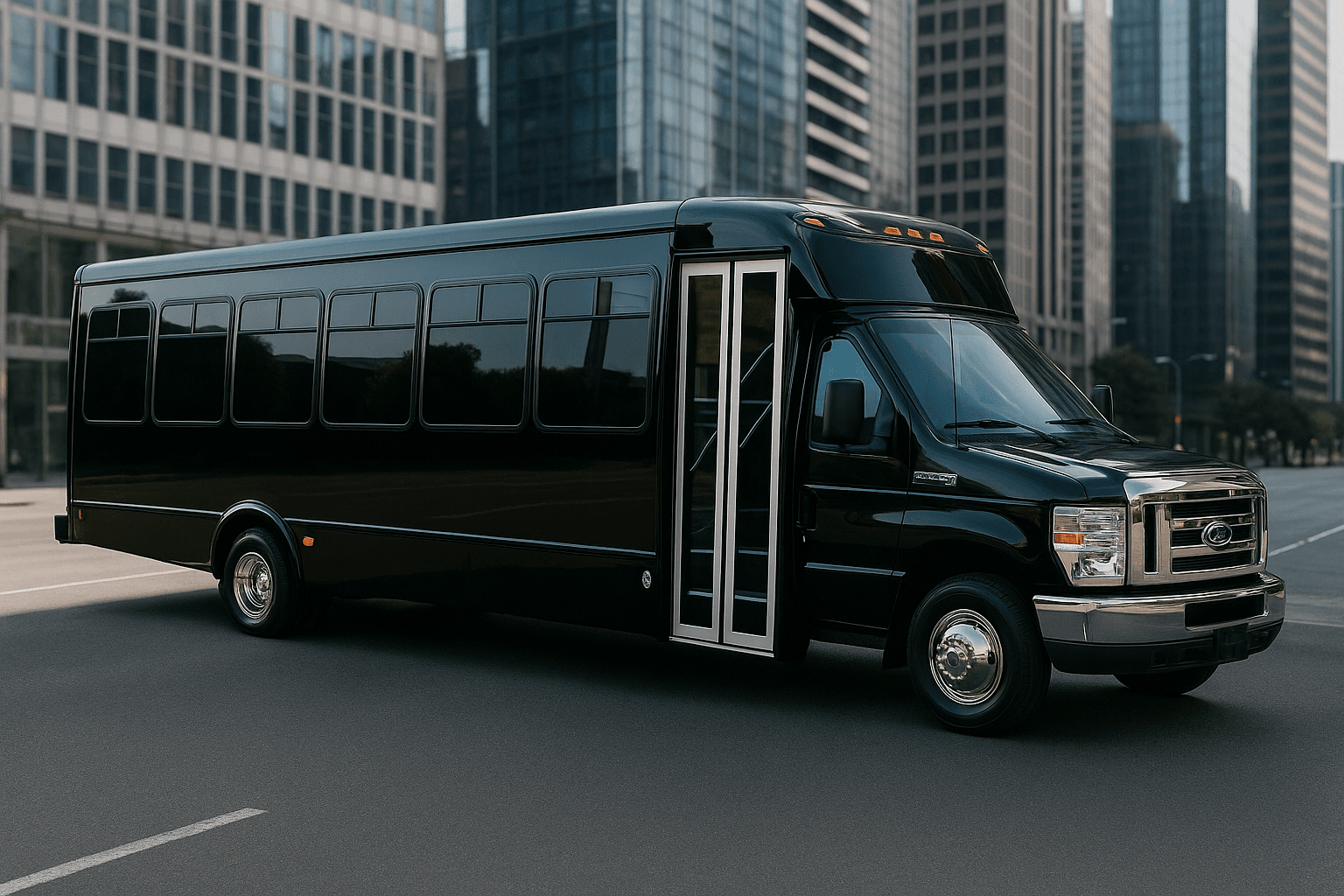
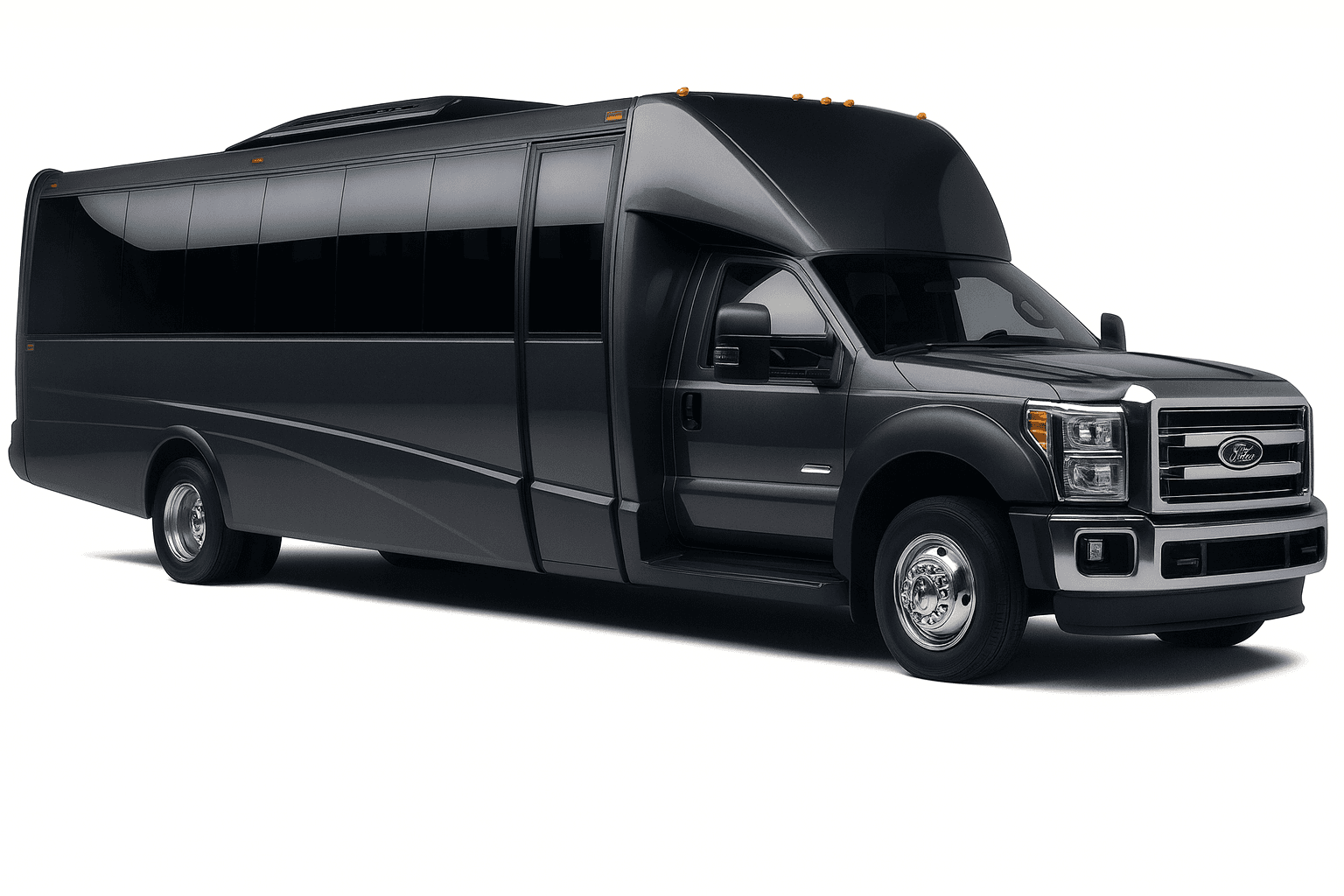
And yes, a party bus works fine for a race. Nobody is using the light show at 5 a.m., but perimeter seating and an open floor are excellent for stretching, and the sound system plays a pre-race playlist like anything else. For the celebration ride home, a 24-passenger party bus is a decent upgrade. Capacity comes up in about 15% of the sales calls we analyze, and for a race team the honest answer includes the bags. Compare options in the Vehicle Size Matcher, and count every gear bag as half a seat.
31-100 passengers
North Texas inquiries · 181 of 2,557 records(DPR-044)
Passenger capacity
Analyzed sales calls · 819 call records(CT-05)
Shares of past inquiries, not bookings, prices or availability. How we count these.
Try it: Event Timeline Builder
Work backward from your arrival time
Your result
First pickup 4:38 PM
- 4:23 PMVehicle staged at first pickup
- 4:38 PMPickup 1 — everyone curbside
- 5:00 PMPickup 2 — everyone curbside
- 5:10 PMPhoto stop begins
- 5:40 PMDepart for venue
- 6:15 PMVehicle arrives at venue
- 6:30 PMEvent start / hard arrival time
Want the full walkthrough? Open the Event Timeline Builder page.
Seeing your runner twice, then the finish
Spectators have their own puzzle: catch your runner more than once, then beat them to the finish. By car on a closed course that is close to impossible. With a small shuttle and a plan, it is very doable.
- Read the course map for crossings. Pick two or three cheer spots reachable from open roads outside the loop. Major cross streets and parks work best, and the race spectator guide usually names a few.
- Do the pace math. At ten-minute miles, mile 8 arrives 80 minutes after the start and mile 20 two hours after that. Your bus has to beat those, including the walk from wherever it can legally stop.
- Two stops plus the finish is a good day. Four is how you miss all of them. Closures expand and contract as the field passes, and a bus cannot slip through a gap the way a bicycle can.
- Pack the spectator kit. Signs, cowbells, chairs, coffee and a dry jacket for your runner all ride along. Build the list with the Ride Packing Checklist.
- Track by app. Most large races publish live splits. Put one person in charge of watching them and calling the next move.
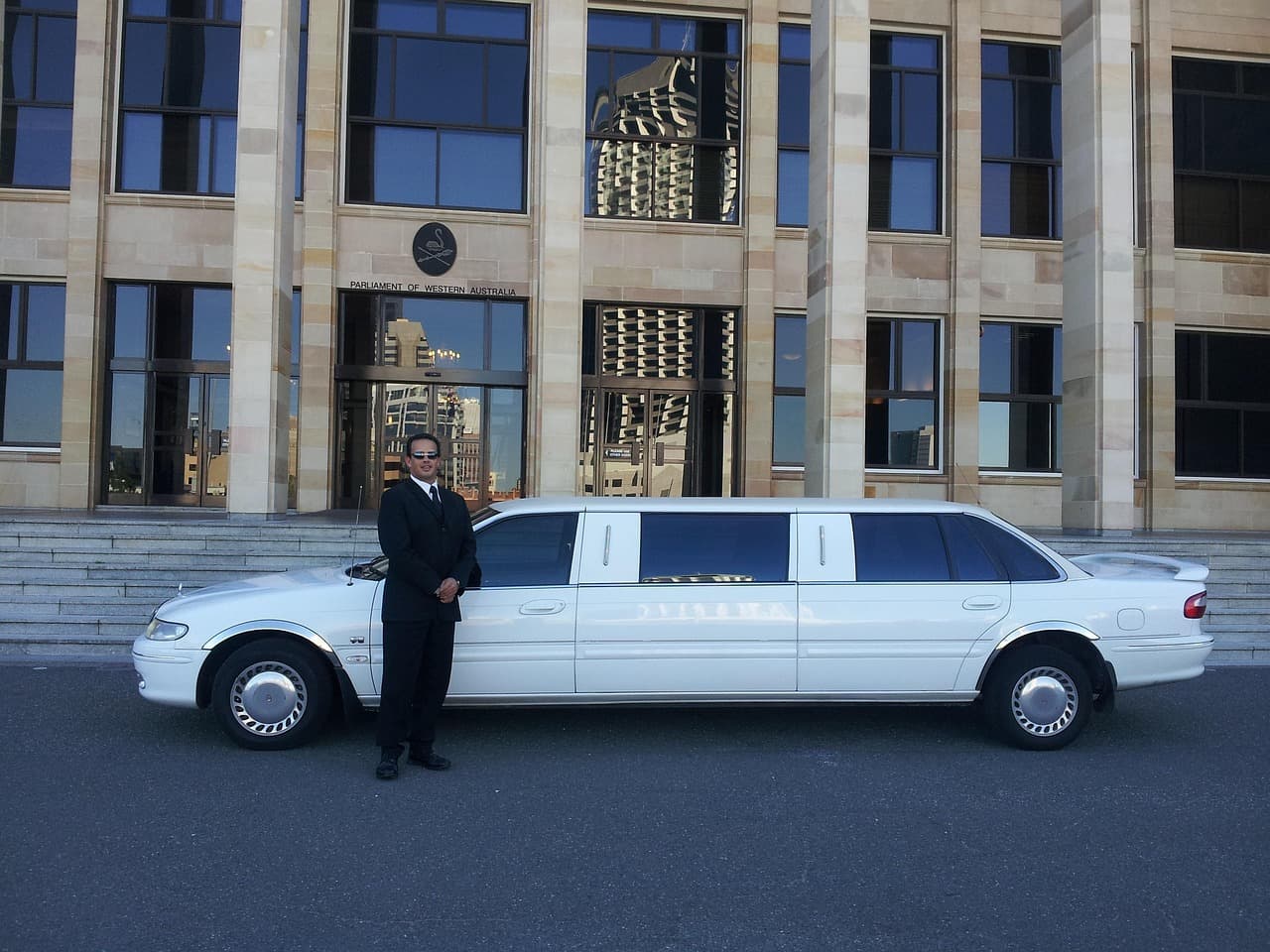
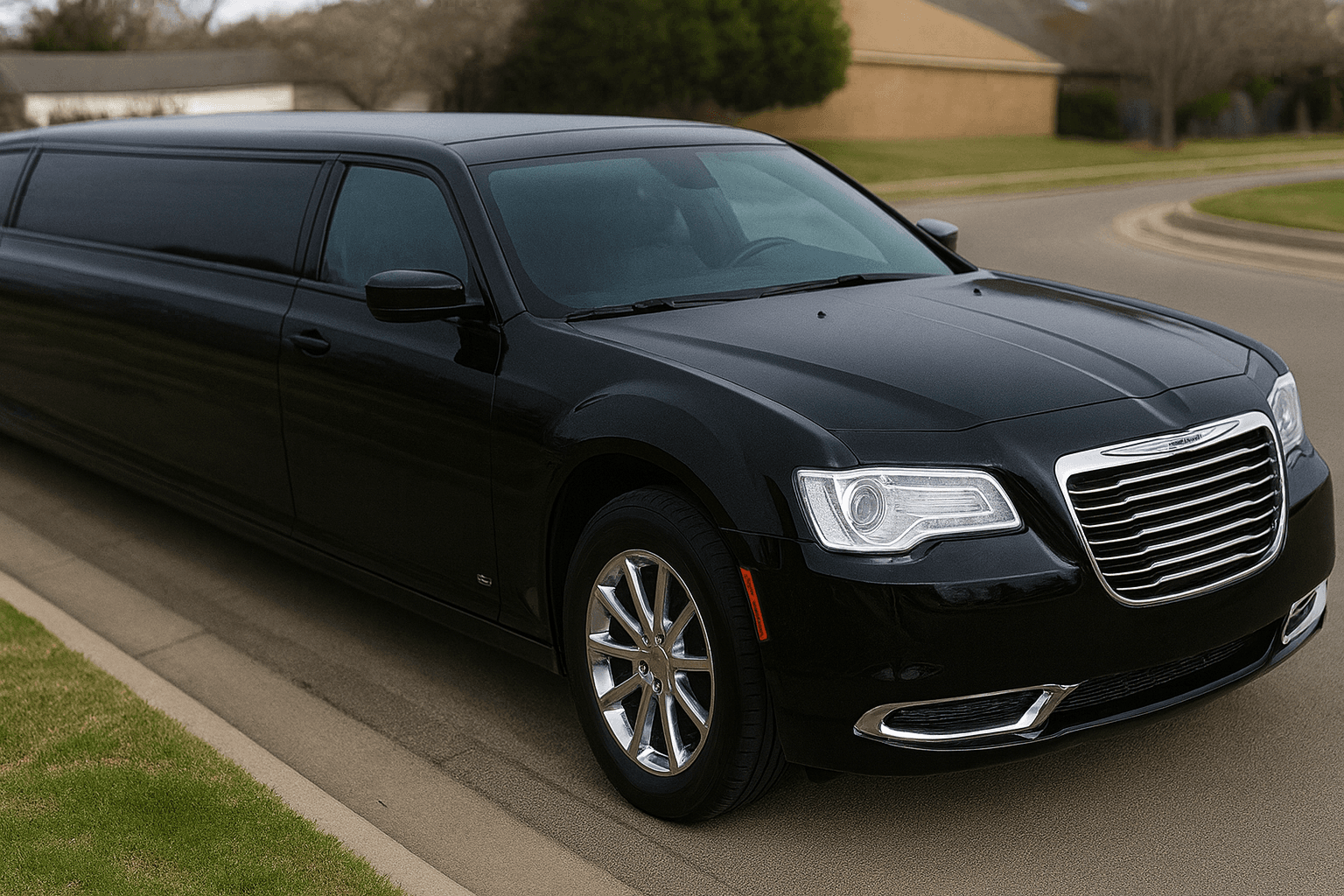
Spectator groups are usually small, so a 10-passenger stretch limousine or a small bus covers two families comfortably and is far easier to position on a closed morning than a full-size coach.
A warm seat and a dry bag waiting
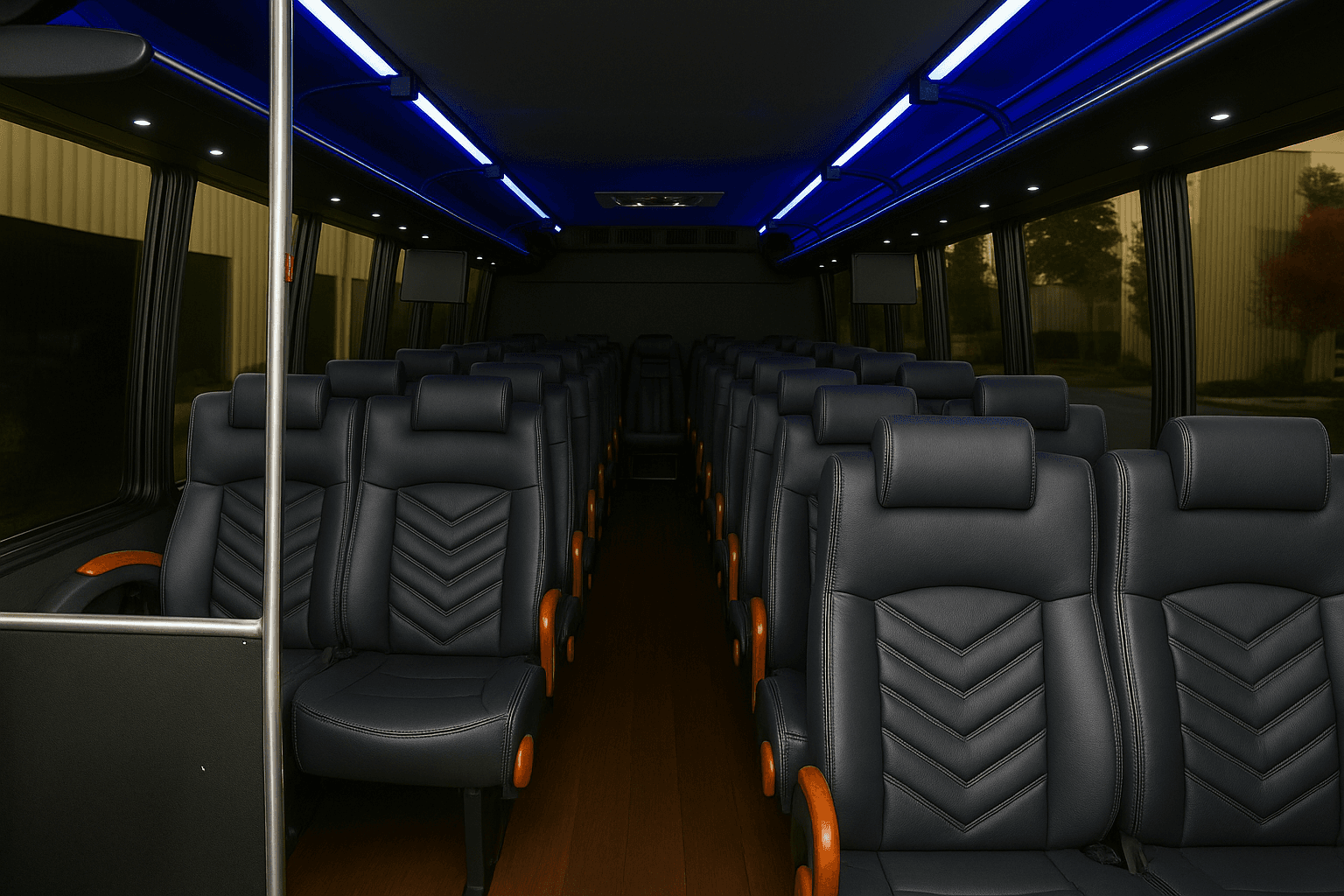
The post-race pickup is where a charter earns its money, and it is the hardest piece to plan, because your team finishes across hours rather than minutes. A 5K squad is done within half an hour of each other. A marathon team can have three hours between the first and last runner through the chute.
What actually works:
- Park once, near but not at the finish. Finish areas are fenced and packed. We find a legal staging spot within a reasonable walk, outside the last closures, and stay put. The bus becomes your clubhouse.
- Agree the spot the night before. Send a map pin and a photo of the corner to every runner. Tired people do not solve problems well.
- Stock the recovery basics. Dry clothes, sandals, water, salty snacks, trash bags for wet gear. December races get cold, and a heated cabin matters once a runner's core temperature starts dropping.
- Set a departure rule out loud. Something like: the bus leaves 45 minutes after the last projected finish. Anyone going early arranges their own ride and tells the captain.
- Know the plan if someone does not finish. Races run sag vehicles to the finish or the medical tent. Your captain should hold every bib number and emergency contact on paper.
Overtime comes up in only about 1% of the sales calls we analyze, but on marathon day a slower-than-planned finisher is normal, not an exception. Build the cushion into the booking with the Rental Hours Estimator rather than paying for it at the curb.
Overtime and schedule changes
Analyzed sales calls · 77 call records(CT-10)
Shares of past inquiries, not bookings, prices or availability. How we count these.
Ask when you register, not after
Runners are planners. You registered months ago. Let the transportation follow the same instinct. In our own Dallas inquiry data, about 48% of requests arrive more than 30 days before the trip, and being in that half pays off on race weekends for two reasons.
First, the big North Texas races sit in the busiest months we have. November and December bring holiday parties chasing the same coaches on the same weekends as the Turkey Trot and the Dallas Marathon. Second, race mornings are Sundays, and across the wider network we work with, about 18% of game-day requests are for a Sunday, several times the all-event share. Few other groups want a Sunday at 5 a.m., which helps you. But the larger coaches a race team needs are a small slice of any fleet, so asking early still matters more here than almost anywhere else.
A sensible sequence: ask for a quote the week your team registers, confirm the headcount when registration closes, and send the final timeline when the closure map is published. The Booking Window Planner will put real dates on those three steps.
More than 30 days
Dallas Party Ride inquiries · 156 of 328 records(DPR-004)
November
Dallas Party Ride inquiries · 35 of 329 records(DPR-024)
Sports or game-day · Sunday
Network-wide inquiries · 254 of 1,416 records(DPR-227)
Shares of past inquiries, not bookings, prices or availability. How we count these.
Setting up a race-day charter with us
Send the race name and date, the distances your group is running, your headcount of runners and spectators, and the pickup point. If the club is paying, tell us who signs. If runners are chipping in, the per-person share is easy to work out once you have one all-in total. We reply with vehicles that fit and a written quote listing hours, stops and a single number.
Race charters are alcohol-free on the way in, for reasons nobody has ever argued with, and most teams keep them that way coming home and save the celebration for brunch. If your group wants a post-race brewery stop, every rider has to be 21 or over and the vehicle's terms apply; our brewery tour party bus page explains how those stops run.
Entering a corporate team? Race morning folds neatly into a wider wellness or client program through our corporate transportation service. Clubs travelling in for a destination race should look at Dallas charter services for hotel-to-expo and hotel-to-start transfers, plus our Dallas service area page for downtown pickup detail.