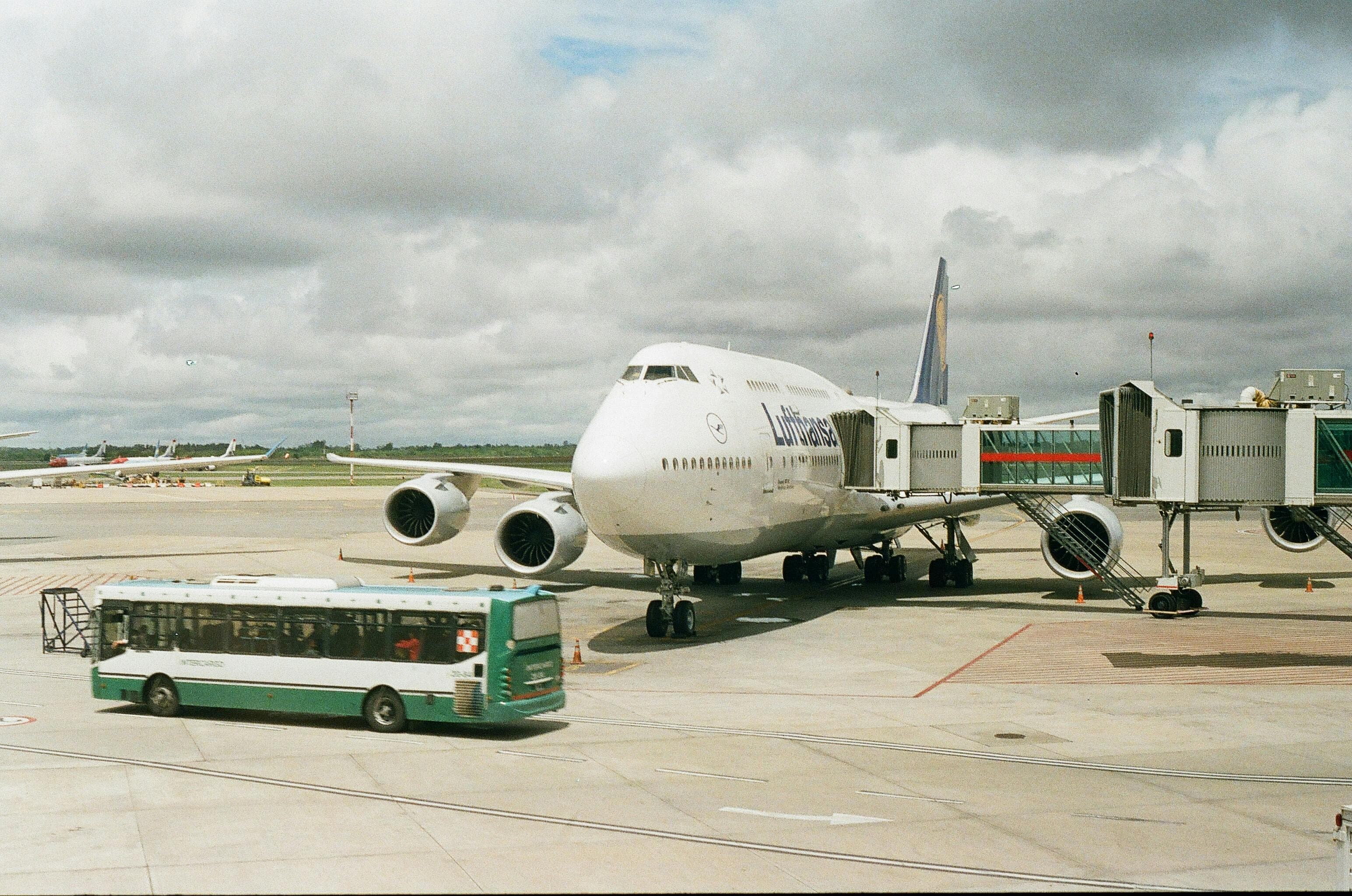
Two airports, two completely different pickups
Your mother lands at Terminal A. Your brother-in-law lands at Terminal E. At DFW those two people are a highway apart, and baggage claim is a terrible place to find that out.
Love Field never puts you in that spot. One terminal, one arrivals road, everybody out the same doors.
| DFW International | Dallas Love Field | |
|---|---|---|
| Shape of the place | Five terminals, A through E, strung along one central roadway and linked inside by the Skylink train | A single terminal with one arrivals curb |
| Where it sits | Between Dallas and Fort Worth, up against Grapevine and Irving | A few miles northwest of downtown Dallas |
| Flights you land on | Long-haul and international; overseas arrivals usually clear customs at Terminal D | Mostly domestic, with Southwest carrying the bulk of it |
| What we ask you for | The terminal for every flight, since a group on two airlines can land in two buildings | The flight number and landing time, and that is about it |
| Where we can stop | Bigger vehicles use the commercial pickup areas, not the family curb | The curb is short, so have everyone together before we pull up |
The whole thing comes down to walking distance. If your party is spread across two DFW terminals, pick one meeting terminal and have the far half ride Skylink over before they leave the secure side. The other option is two stops, which we will plan happily if you say so early. Decide it at your kitchen table, not at the carousel.
Seats are not the same as suitcases
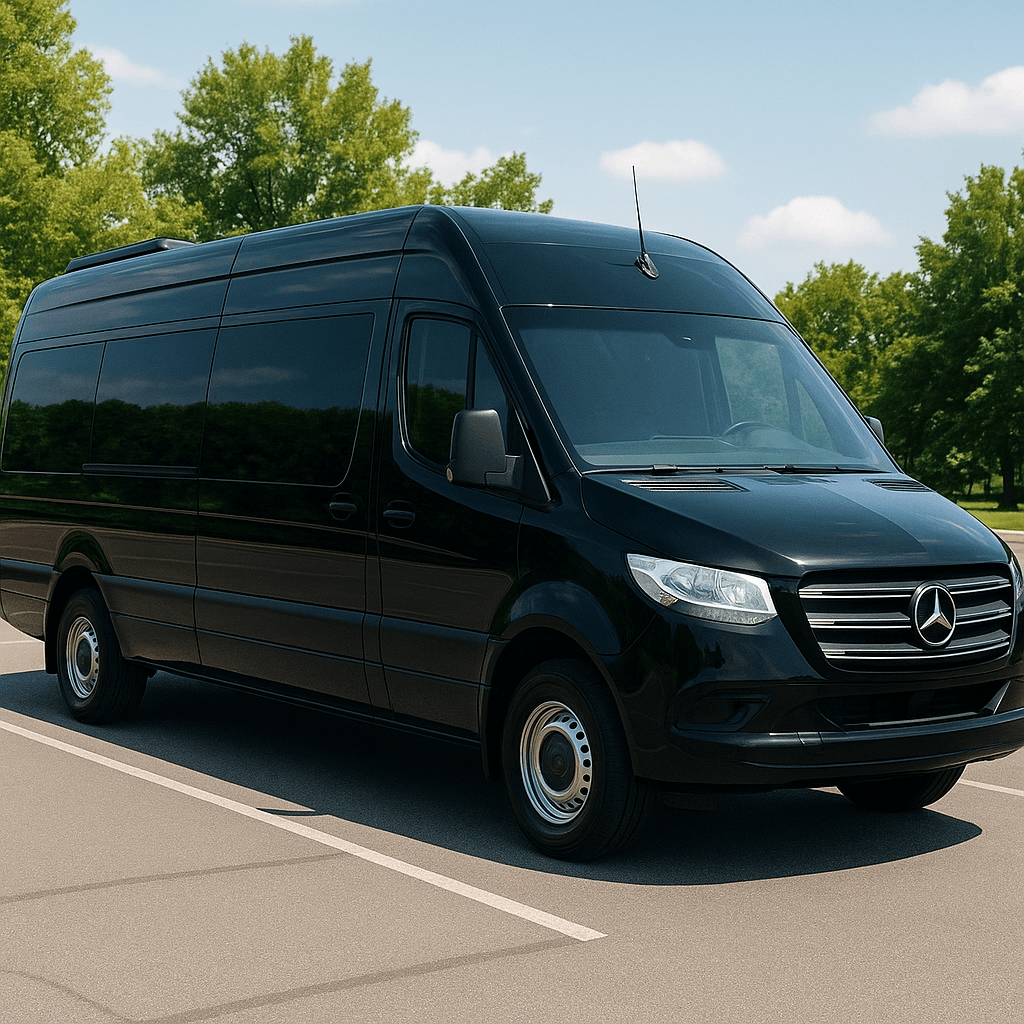
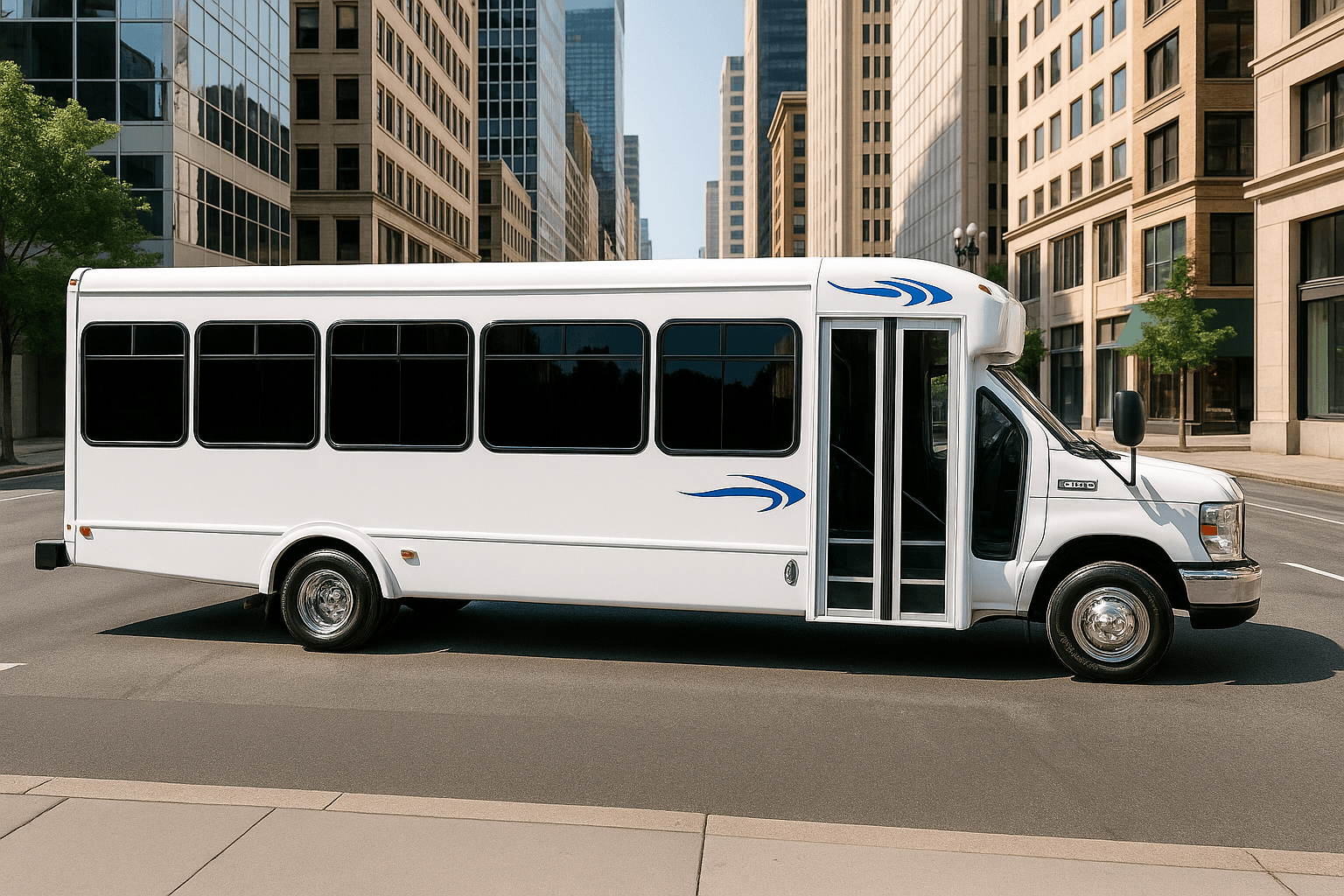
Fourteen seats sounds like plenty. Then the third round of checked bags comes down the aisle and the back row quietly disappears.
Your airport group is probably smaller than you picture. In that same inquiry data, nearly half of the groups who ask us for anything at all are eleven to twenty people. The airport parties we talk to look no different: a family headed for a cruise, a wedding party flying in, a project team arriving on Monday morning.
Capacity is what people call about. It comes up in roughly one in six of the sales calls we analyze, and on airport calls it hides a trap. The number on the vehicle counts seats. It says nothing about suitcases. These rules keep you out of trouble:
- Carry-ons only. Book your headcount and stop thinking about it.
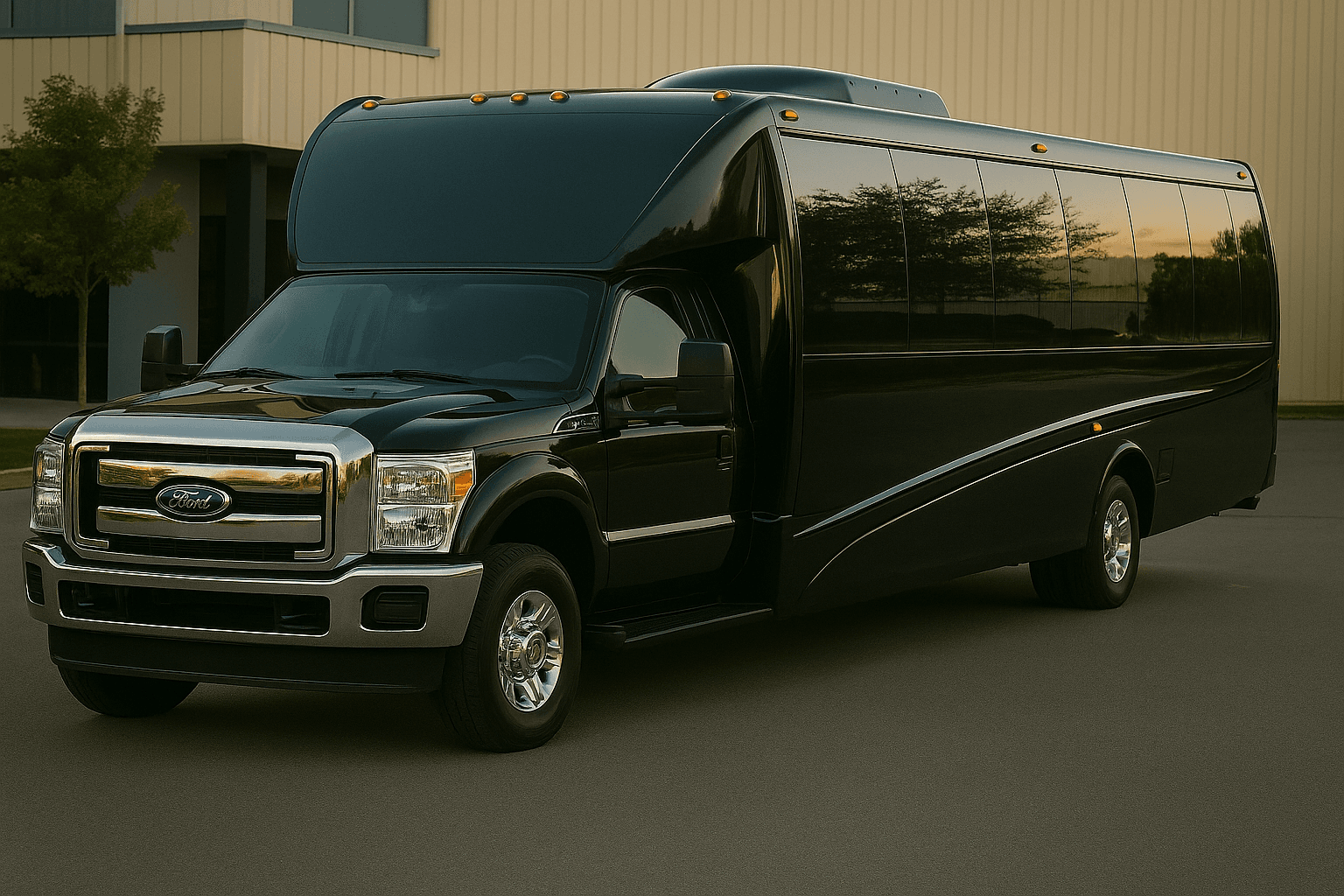
- One checked bag each. Leave two or three seats empty in a Sprinter, or move up to a mini coach with a luggage area behind the last row.
- Two checked bags, golf clubs, skis or trade show cases. Go up a full size. A 24-passenger mini coach for fourteen travelers is normal, not extravagant.
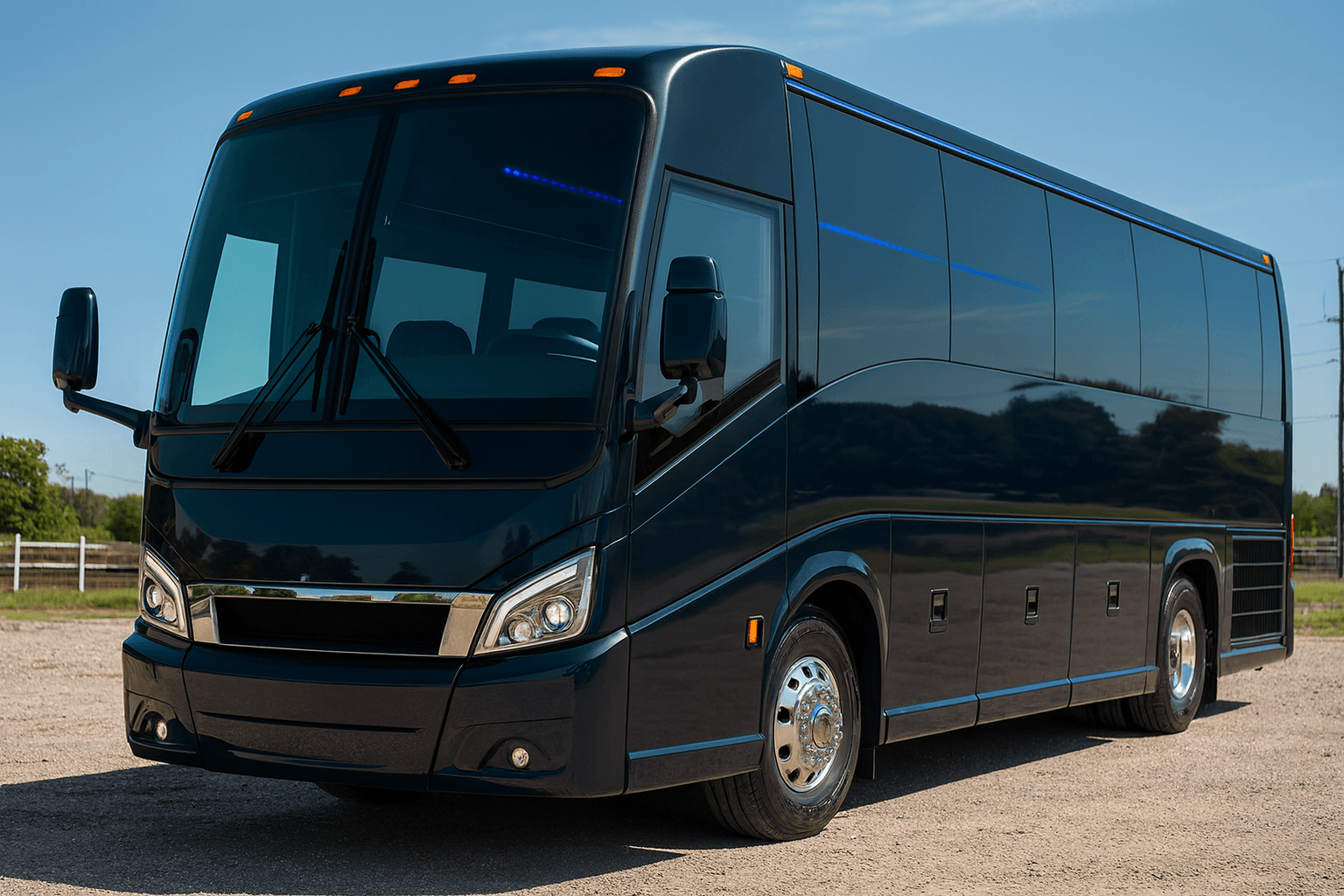
- Thirty or more of you. A 40-passenger coach or larger puts the bags in bays under the floor, where nobody trips on them.
Strollers, car seats, wheelchairs and instrument cases get listed one by one. Any of those changes the answer more than two extra passengers would.
11-20 passengers
Dallas Party Ride inquiries · 150 of 313 records(DPR-006)
Passenger capacity
Analyzed sales calls · 819 call records(CT-05)
Shares of past inquiries, not bookings, prices or availability. How we count these.
Working backward to your real curb time
The curb is the one place nobody gets to wait. Not your driver, not you, not the officer waving traffic along.
So everything hinges on one number: the minute the vehicle noses up. The Airport Transfer Planner gives you that number. Feed it the airport, your flight time, the headcount and the bags, and it hands back a curb time and a vehicle class. It is sitting right here on the page. Run your real flight through it.
Flying out
Work backward from the moment you want to be standing at the counter. A group moves slower than you do alone. Loading at the hotel, unloading at the terminal, waiting on the one person who went for coffee. Two hours ahead of a domestic departure keeps most groups calm, and an international flight or a holiday week wants more. Then add the drive, plus about a minute per traveler for bags.
Flying in
Work forward from the landing, never from the schedule. With checked bags, most domestic groups reach the curb thirty to forty-five minutes after the wheels touch down. Overseas arrivals take longer, because passport control does not hurry for anyone. We set your pickup off the actual landing and slide it as the flight updates.
Pickup and route planning turns up in about one call in twelve that we analyze. On an airport trip it deserves most of the conversation.
Pickup and route planning
Analyzed sales calls · 454 call records(CT-06)
Shares of past inquiries, not bookings, prices or availability. How we count these.
Try it: Airport Transfer Planner
Plan a group airport run
Your result
Pickup 7:45 AM
Be at the DFW curb by 8:30 AM — 120 minutes before departure for a group of 12. With a 35-minute drive and 10 minutes to load, wheels roll at 7:45 AM.
12 riders with 18 bags: ask about a mini coach with rear luggage. Bags take seats fast in a vehicle without a luggage hold.
Want the full walkthrough? Open the Airport Transfer Planner page.
When your flight slips, the pickup slips
Flights slip. Yours might. Give us the airline and flight number and dispatch watches the live status all day, so an hour lost on the ground in Denver simply moves your pickup an hour.
You do not have to call us from the gate. A text from whoever is leading your group is always welcome once you are down, though.
Tracking cannot fix everything. Decide these before you fly:
- Split arrivals. Six of you land at 2:10 and eight at 3:40. Does the first wave wait, or do you want two vehicles? Waiting time is part of the rental either way.
- A missed connection. One traveler stuck in another city should not hold the other thirteen. Agree on a rule now, such as the vehicle leaving sixty minutes after landing, and let the straggler take a taxi.
- A long delay. A flight that slides several hours can run into another reservation. We will tell you straight away what still works and what it changes.
- A cancellation. Call dispatch the minute you know. The earlier we hear, the more we can do.
Leaving town is a different animal. Traffic beats tracking every time, and Interstate 635, State Highway 183 and State Highway 114 all pour into DFW. Friday is the day we get asked about most, roughly one date in five across our own inquiry records, and it is also the afternoon those three roads seize up. We route you for the hour you are really driving, not for an empty map.
Friday
Dallas Party Ride inquiries · 67 of 329 records(DPR-021)
Shares of past inquiries, not bookings, prices or availability. How we count these.
Airport rides are the last thing booked
Flights first. Hotel second. The ride between them gets remembered somewhere around Tuesday.
You are not unusual for that. In the same inquiry data, about one in seven requests reaches us with less than a week left, and another one in eight with less than two. Short notice is the normal shape of airport work, and we plan for it.
What really matters is which day you land. A Sprinter on a Tuesday morning is easy. A Friday afternoon is a different conversation, because your arrival is competing with weddings and parties that claimed the same vehicles months ago. Add the wider weekend rush and the good mid-size vehicles go early. If your tickets say Thursday or Friday, ask the day they are issued.
The Booking Window Planner will hand you an ask-by date. One more thing, if you are on a 4:15 a.m. departure: confirm the pickup address and a live cell number the night before. There is no slack at that hour for a wrong gate code.
0-7 days
Dallas Party Ride inquiries · 46 of 328 records(DPR-012)
8-14 days
Dallas Party Ride inquiries · 44 of 328 records(DPR-013)
Shares of past inquiries, not bookings, prices or availability. How we count these.
When four separate cars is the problem
You could all take rideshares. Four apps, four drivers, four arrival times, and one cancellation in the cell-phone lot. The groups who call us instead usually look like this:
- Wedding guests. Out-of-town family landing the same afternoon, all headed for the same hotel block. Our destination wedding transportation page covers the rest of that weekend.
- Visiting teams. A project crew or a day of candidates who ought to walk in together. Corporate group transportation picks up the rest of the week.
- Cruise connections. You fly into Dallas, then drive down to the Port of Galveston. That is a long haul and gets quoted as a charter.
- Choirs, teams and school groups. Uniforms, equipment and chaperones, all on one manifest.
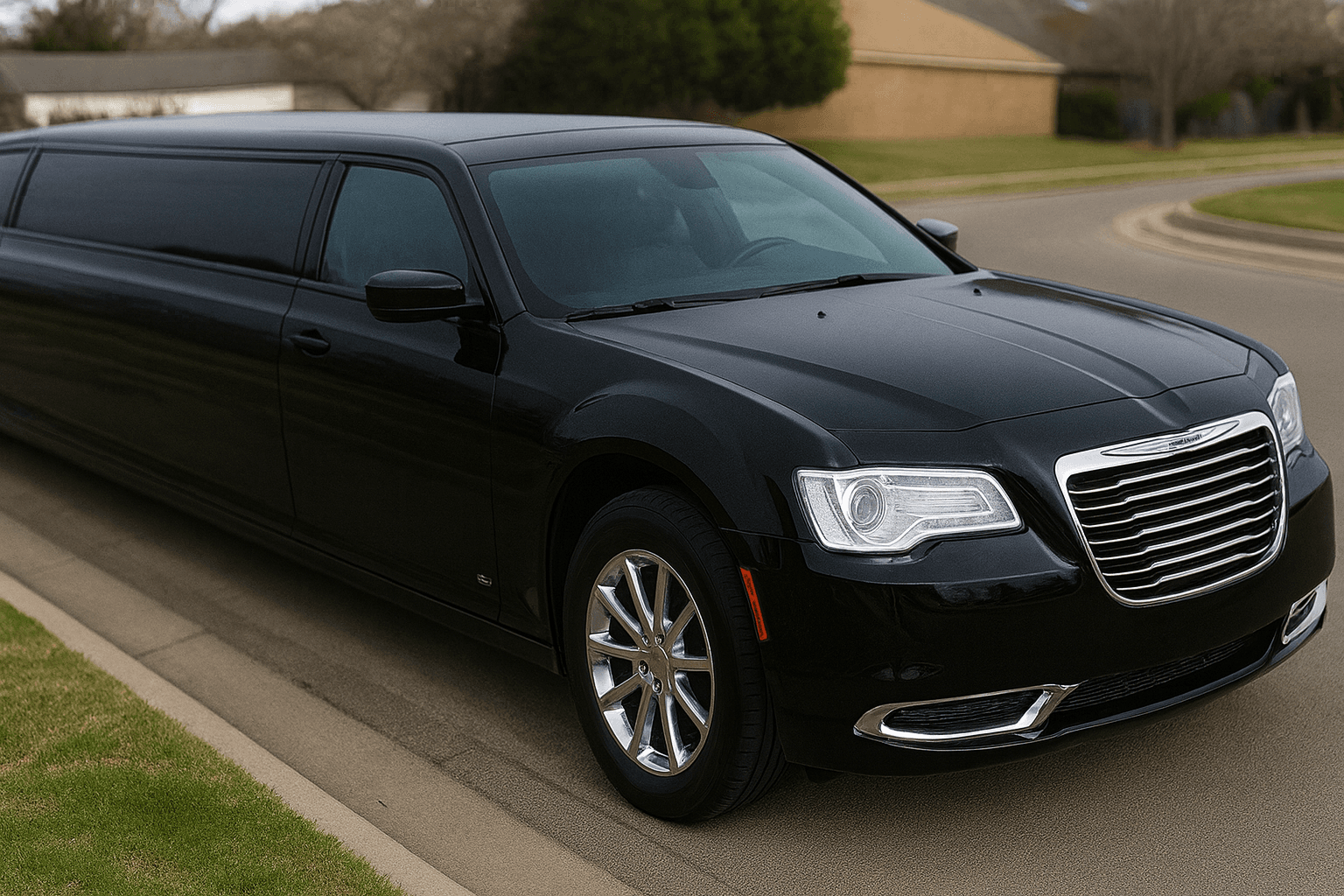
- Three-generation families. A dozen suitcases, two car seats, and a grandmother who should not be hunting for a pin drop in a parking garage.
What they share is luggage no sedan can swallow and a wish to stay together. If your group is splitting the bill, the Cost Split Calculator shows what each traveler owes. Once tolls and airport fees are in the math, that number tends to surprise people.
Seven details that make your quote accurate
Your quote is only as good as the flight details behind it. Send these seven and you get a usable number on the first reply:
- The airport, plus the terminal at DFW if you already know it.
- Airline, flight number and date for every arriving or departing part of your group.
- How many travelers, children included. Children need their own seats, and car seats are yours to bring and install.
- Bags by type: carry-on, checked, oversized.
- The address at the other end, with any gate code or hotel loading-zone quirk.
- The name and cell number of whoever will be standing with the group.
- Whether you want the return trip too.
The Quote Request Builder packs all of that into one message. Most airport transfers are quoted as a flat transfer or a short hourly block, and yours will say which. If your guests have never set foot in Dallas, ask for a meet-and-greet inside the terminal with a name sign.
We run pickups all over the Metroplex, from downtown Dallas hotels to driveways in the northern suburbs. Once your flights are ticketed, send us the itinerary.