
Why a party bus company wrote this
Fair question. We are not realtors or economists, and you will find nothing here about mortgage rates or school rankings. What we know is how people in this city spend their free time, because we drive them to it. We see where birthday groups go, which suburbs send the most riders downtown on a Saturday, and which months the whole metro seems to be out celebrating something.
So treat this as the lived-in version. Five reasons people come, the catches locals mention once they trust you, and how to build a social life fast, which is the part most moving guides skip entirely.
One note on facts. We have stuck to things that are widely known and reasonably stable. Anything that moves, from home prices to employer lists to a restaurant's hours, deserves a fresh check before you act on it. If you already live here and want somewhere new to eat on a Tuesday, start with the Dallas hidden gems guide.
Landing in a suburb rather than the city itself? Our local pages for Plano, Frisco and McKinney describe how each one connects to Dallas when you want a night out.
Your paycheck goes further, your property tax notices do not
Reason one: no state personal income tax. Texas does not tax individual income, and it is the first thing anyone mentions when you say you are moving. It is not free money. Property taxes here run high, and they are baked into your rent or your mortgage either way. Compare the whole picture, not the take-home line.
Reason two: employers, and an airport that goes everywhere. The list of corporate headquarters in this metro is long. AT&T and Texas Instruments are based in Dallas, Southwest Airlines sits at Dallas Love Field, Toyota's North American headquarters is in Plano, and American Airlines is in Fort Worth. Whatever industry you work in, somebody here probably runs it.
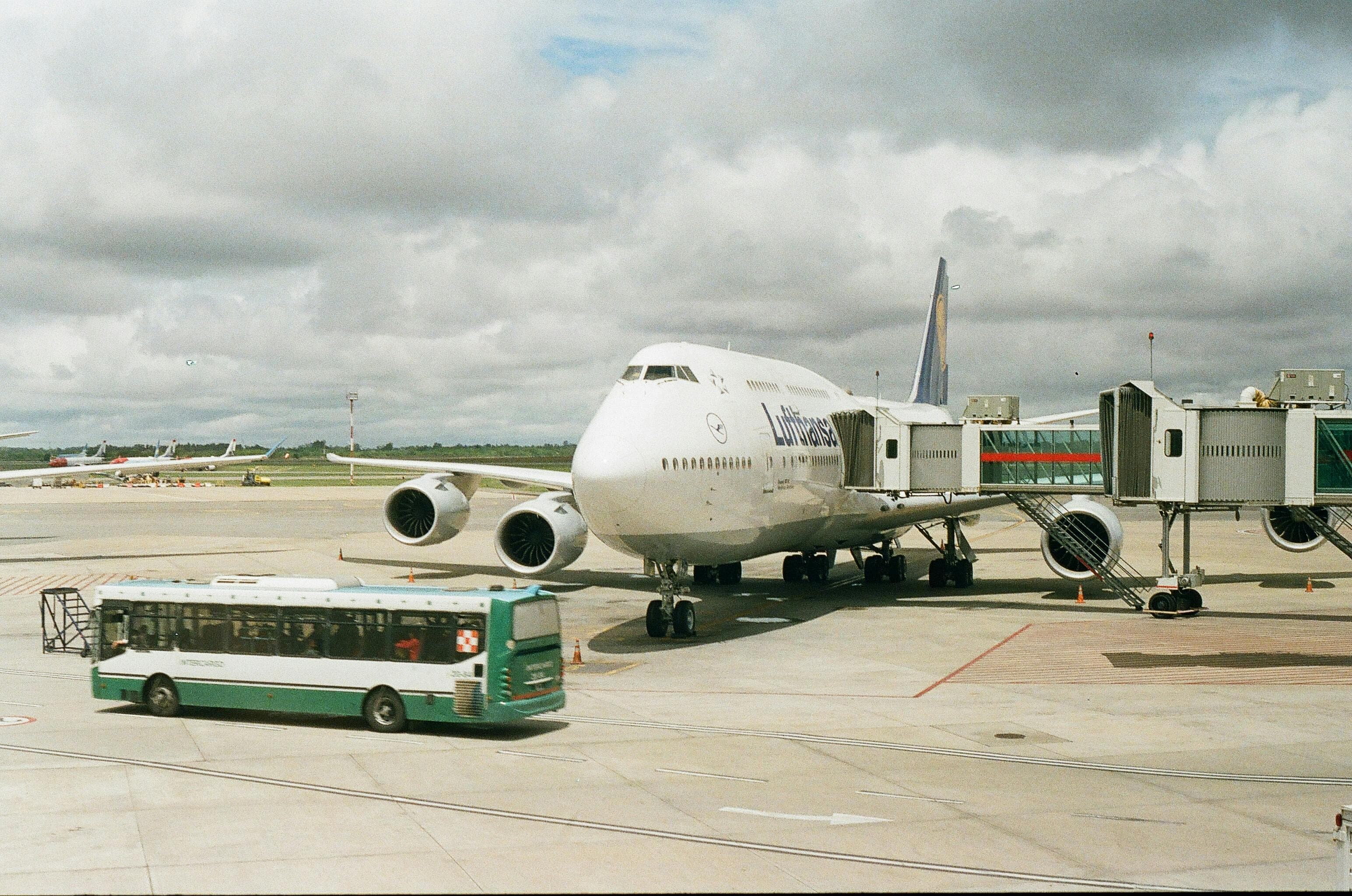
The airports change daily life too. DFW International is one of the largest and busiest in the country and American's biggest hub, while Love Field sits minutes from central Dallas. Being on Central time makes calls to both coasts workable. For you that mostly means your parents can visit without a connection, and when five of them land at once, our Airport Transfer Planner sorts the pickup. The airport shuttle page covers group arrivals at DFW and Love Field.
Relocating with a whole team? A welcome outing is the fastest way to make a new office feel human, and our corporate transportation page covers those.
The food is the reason you will stay
Dallas eats well and it eats widely. The headliners are obvious: Texas barbecue and Tex-Mex. Deep Ellum's brisket lines start early, El Fenix has been serving Tex-Mex since 1918, and the frozen margarita machine was invented at a Dallas restaurant in 1971. You will be told all of this within your first month.
What surprises you is everything past that. Carrollton has a well-known Koreatown. Richardson has a large Chinatown center on Greenville Avenue. Garland and Arlington both have strong Vietnamese communities. Tacos here run from a gas station counter to a chef's tasting menu, and both can be excellent on the same day.
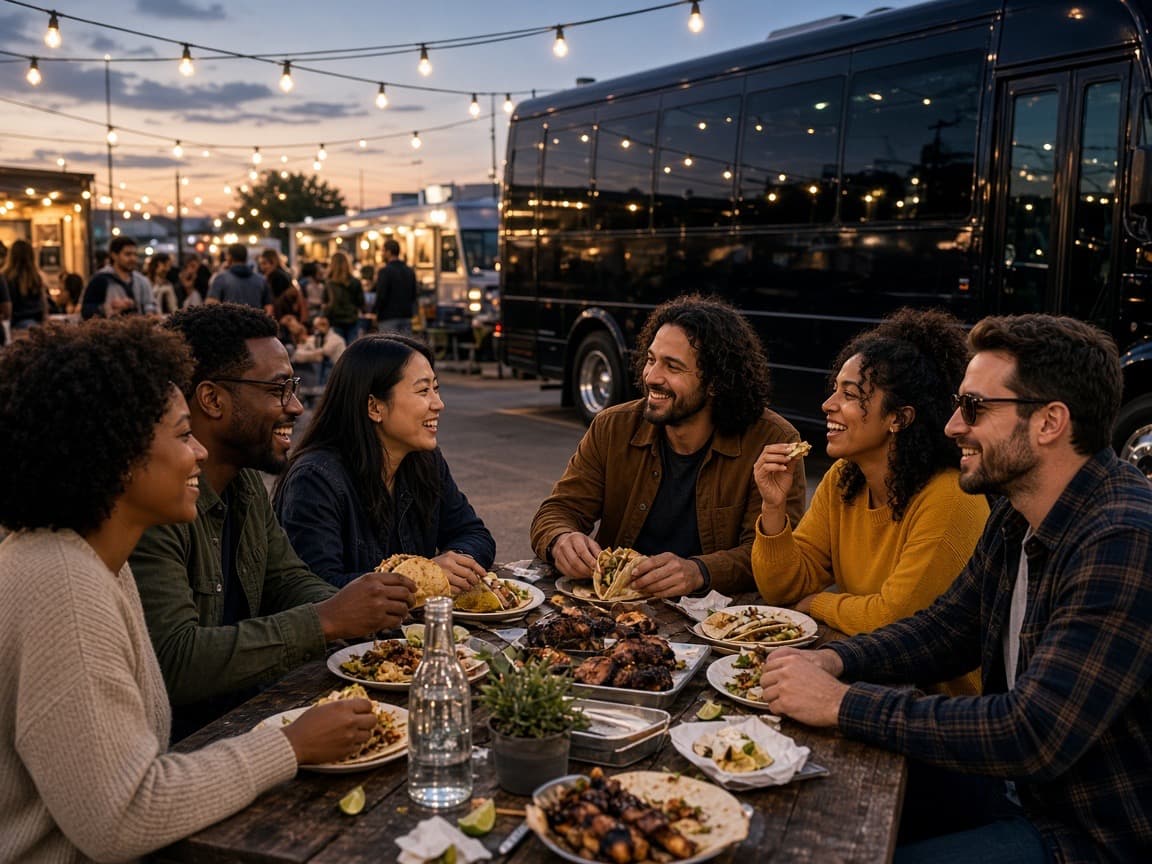
Learn the map with other people. A food crawl with new coworkers or your new neighbors beats any solo restaurant list, because everyone argues about tacos and arguing is how you make friends. Our Dallas unique eats guide lays out a full crawl, and you can vote your own favorites into the taco and barbecue polls on this page.
One practical warning. Plenty of the best places close when they sell out, or open only three days a week. Always check current hours before you drive across the metro for a sandwich.
Try it: Airport Transfer Planner
Plan a group airport run
Your result
Pickup 7:45 AM
Be at the DFW curb by 8:30 AM — 120 minutes before departure for a group of 12. With a 35-minute drive and 10 minutes to load, wheels roll at 7:45 AM.
12 riders with 18 bags: ask about a mini coach with rear luggage. Bags take seats fast in a vehicle without a luggage hold.
Want the full walkthrough? Open the Airport Transfer Planner page.
Somebody is always playing somewhere nearby
Few metros stack this many teams inside a short drive. The Cowboys play at AT&T Stadium and the Rangers at Globe Life Field, both in Arlington. The Mavericks and the Stars share the American Airlines Center in Victory Park. FC Dallas plays in Frisco, and the WNBA's Dallas Wings round it out. Add college rivalries, bowl games and the Cotton Bowl at Fair Park, and your fall weekends disappear.
The arts hold up too. The Dallas Arts District downtown is one of the largest in the country, with the Dallas Museum of Art, the Nasher Sculpture Center, the Meyerson and the Winspear within a walk of each other. Deep Ellum has been the live music district for about a century. Check current hours and show calendars, since both shift by season.
Fall is when all of it peaks. About 35% of our own inquiries name a fall date, and winter follows close behind on the strength of December parties. So if you move in late summer, brace yourself: your calendar fills in about three weeks. Game days in Arlington deserve their own plan, and our AT&T Stadium game day guide has it.
Winter
Dallas Party Ride inquiries · 101 of 329 records(DPR-018)
Shares of past inquiries, not bookings, prices or availability. How we count these.
Pick the neighborhood, not the city
Dallas-Fort Worth is less one city than a patchwork of very different places stitched together by highways. That is a gift if you know what you want from your street.
| If you want | Look at | What you are signing up for |
|---|---|---|
| Walkable nightlife and an apartment | Uptown, Deep Ellum, Lower Greenville | Bars and restaurants at your door, less square footage |
| Character and older houses | Oak Cliff, Bishop Arts, Lakewood | Tree-lined streets, local shops, a real neighborhood feel |
| Space and new construction | Frisco, McKinney, Prosper | Master-planned everything, longer drives downtown |
| Established suburbs near work | Plano, Richardson, Irving | Corporate campuses close, DART rail in reach |
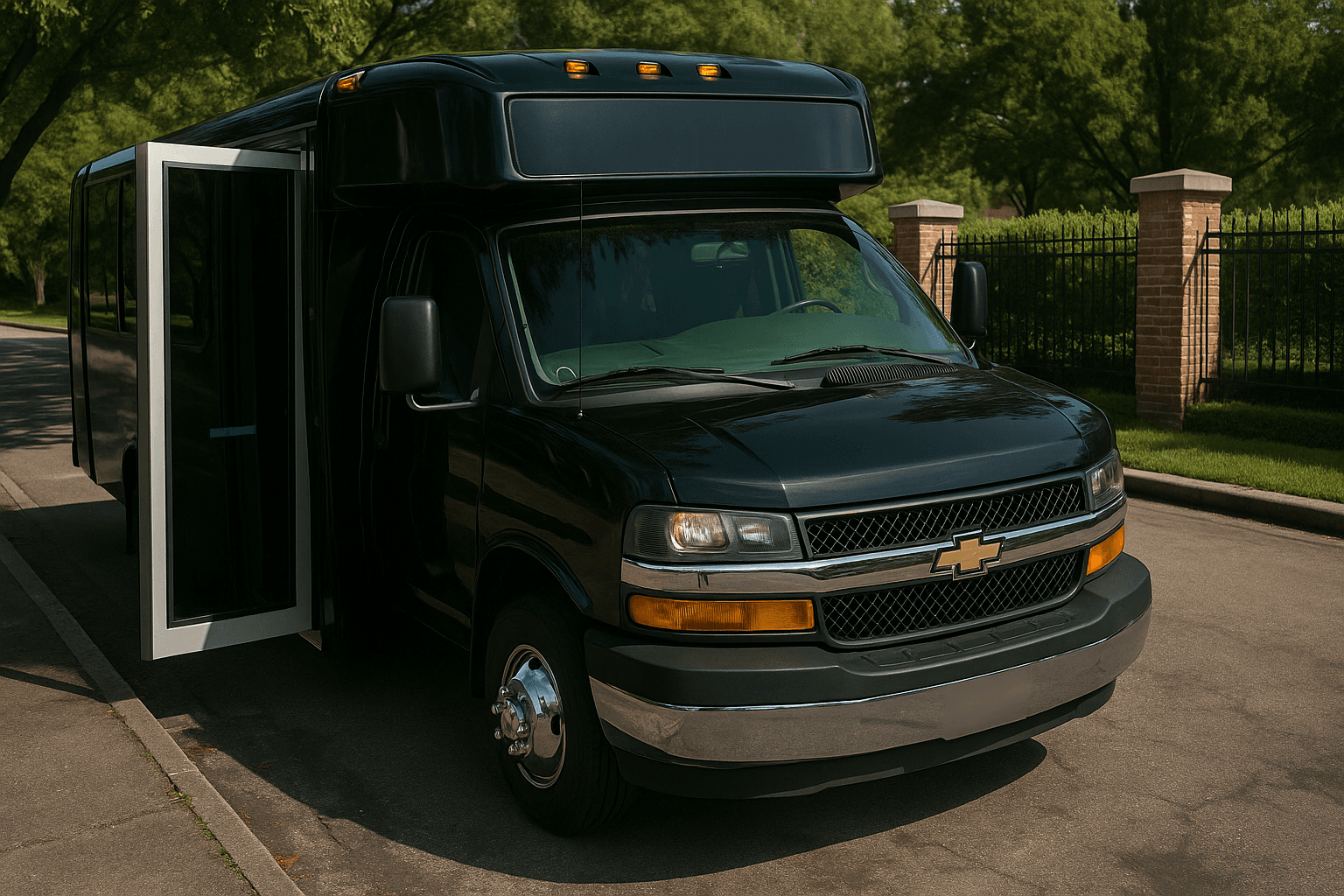
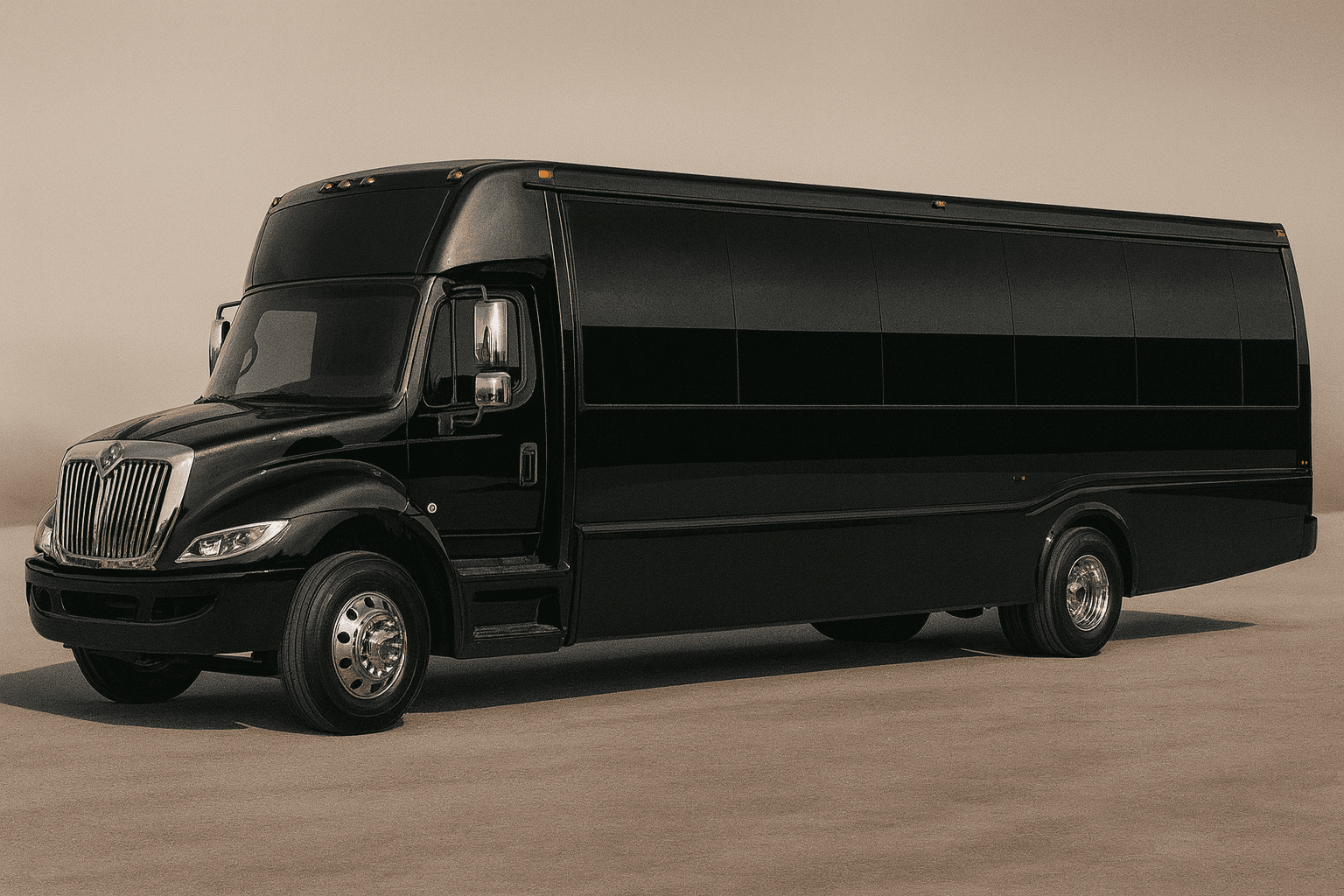
Here is the thing we notice from the driver's seat: where you live decides how you go out. Suburban groups travel in for the big night, which is why so many pickups start in places like Richardson and Plano. And they come in one vehicle, not five. About 48% of our own inquiries are for 11 to 20 riders, which is a normal friend group sharing a 20-passenger party bus downtown instead of arguing over designated drivers.
11-20 passengers
Dallas Party Ride inquiries · 150 of 313 records(DPR-006)
Shares of past inquiries, not bookings, prices or availability. How we count these.
Three catches nobody puts in the brochure

No city is perfect, and you should know these before you sign a lease.
- The heat. July and August are punishing, often past 100 degrees. Locals push outdoor plans to early morning or after sunset. You can see it in how people celebrate: only about 15% of our inquiries name a summer date, the smallest slice of the year by a clear margin.
- The distance. This metro is enormous. Your friend in McKinney and your favorite table in Bishop Arts can be an hour apart in traffic. Plan nights out by neighborhood or you will spend the evening on a highway.
- The driving. DART light rail helps for some commutes and game days, but most of your life here happens behind a wheel.
- The weather that is not heat. Spring storms and hail are part of the deal. Covered parking is worth paying for.
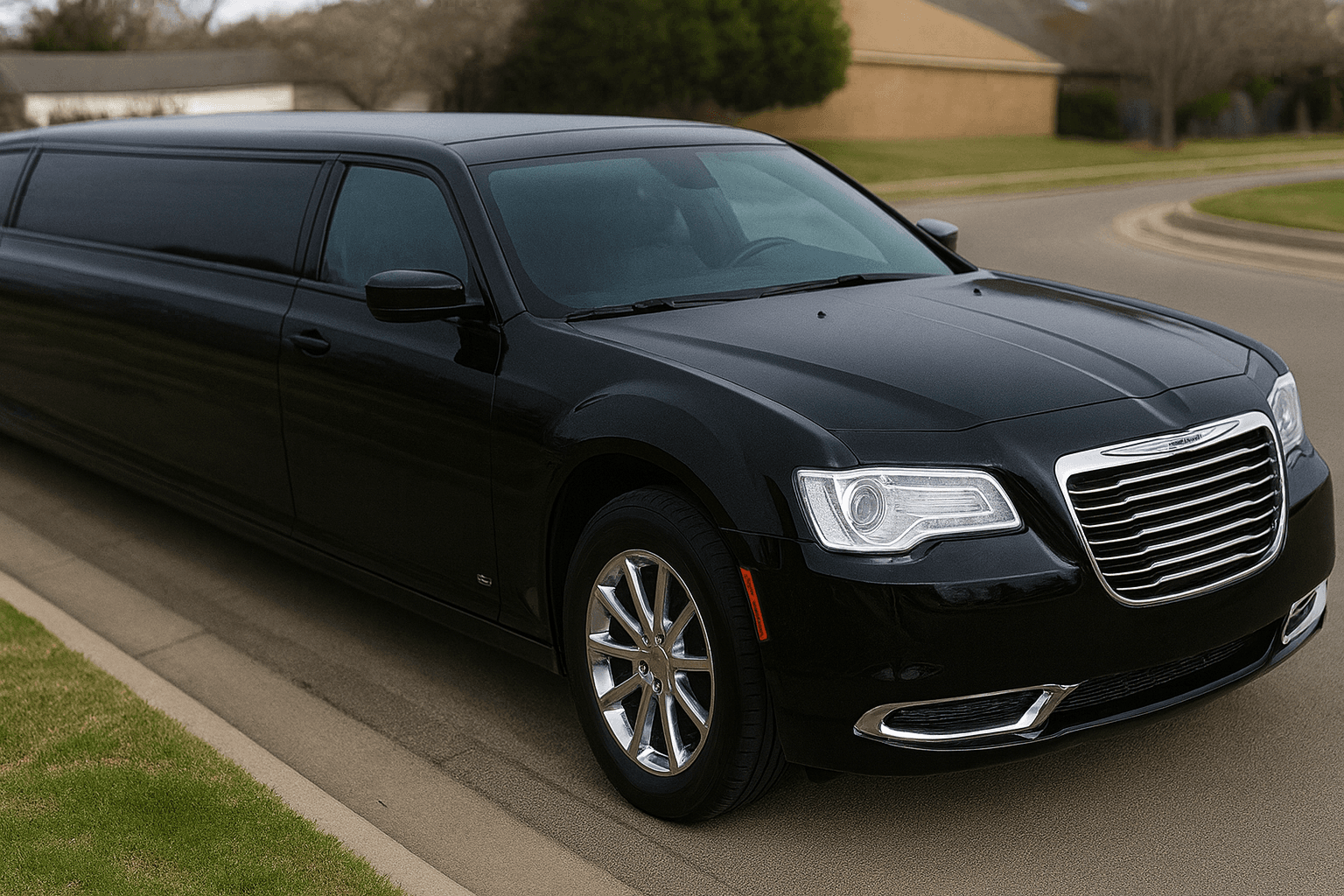
The distance problem is exactly why group nights here tend to use one shared vehicle. When your out-of-town friends come to see the new place, the Vehicle Size Matcher sizes the ride so nobody follows in a second car and gets lost on I-35E.
Summer
Dallas Party Ride inquiries · 50 of 329 records(DPR-020)
Shares of past inquiries, not bookings, prices or availability. How we count these.

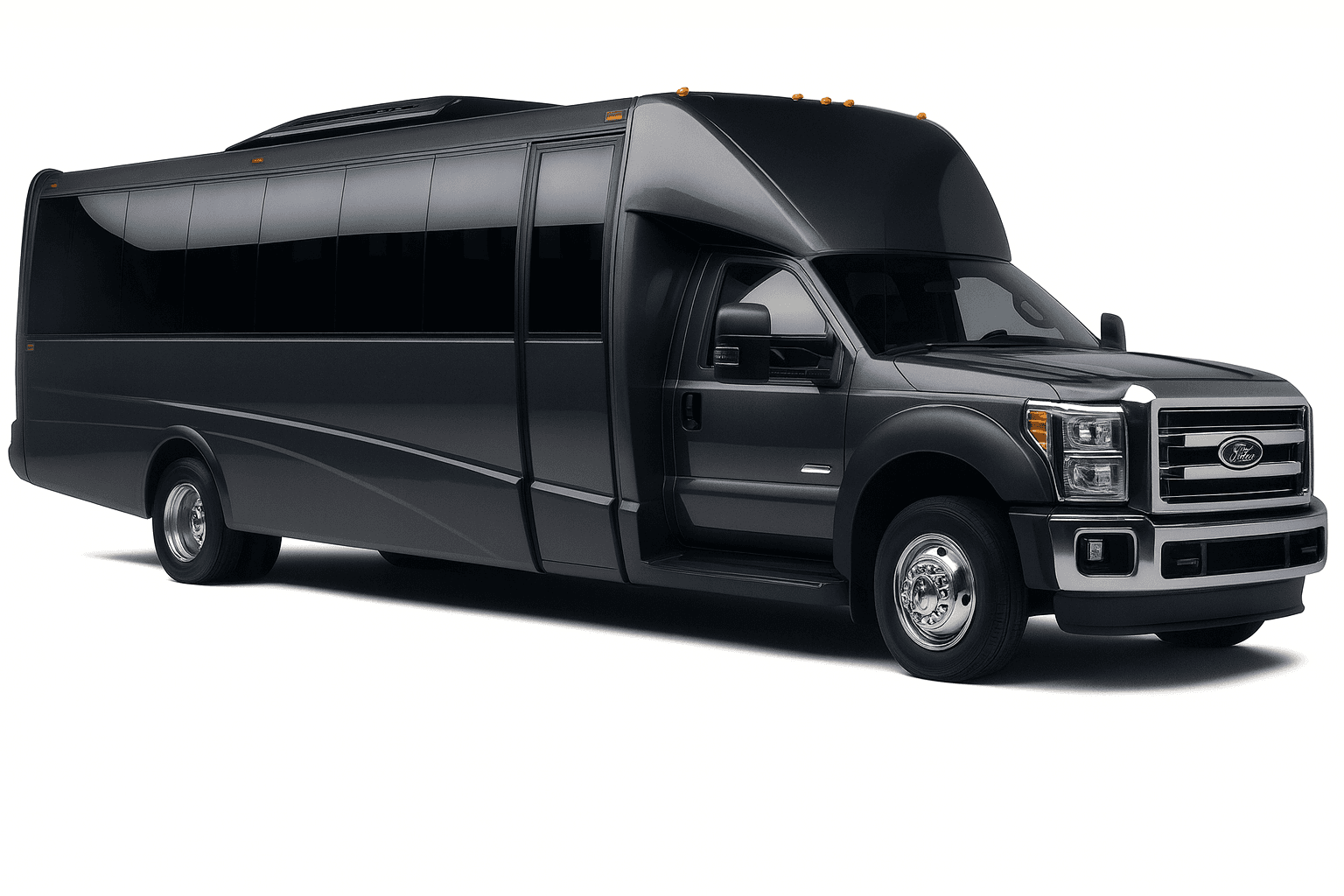
How to make friends here in your first month
Moving somewhere this big can be lonely for a while. Dallas makes it easier than most, because the going-out culture is strong and people say yes to plans. You just have to be the one who makes them.
When you are ready to organize your first real group night, our guide to planning a party bus night walks you through it. Welcome to Dallas. Drink water.